Authored by Christopher F. Rufo, Ryan Thorpe, and Kenneth Schrupp via City Journal,
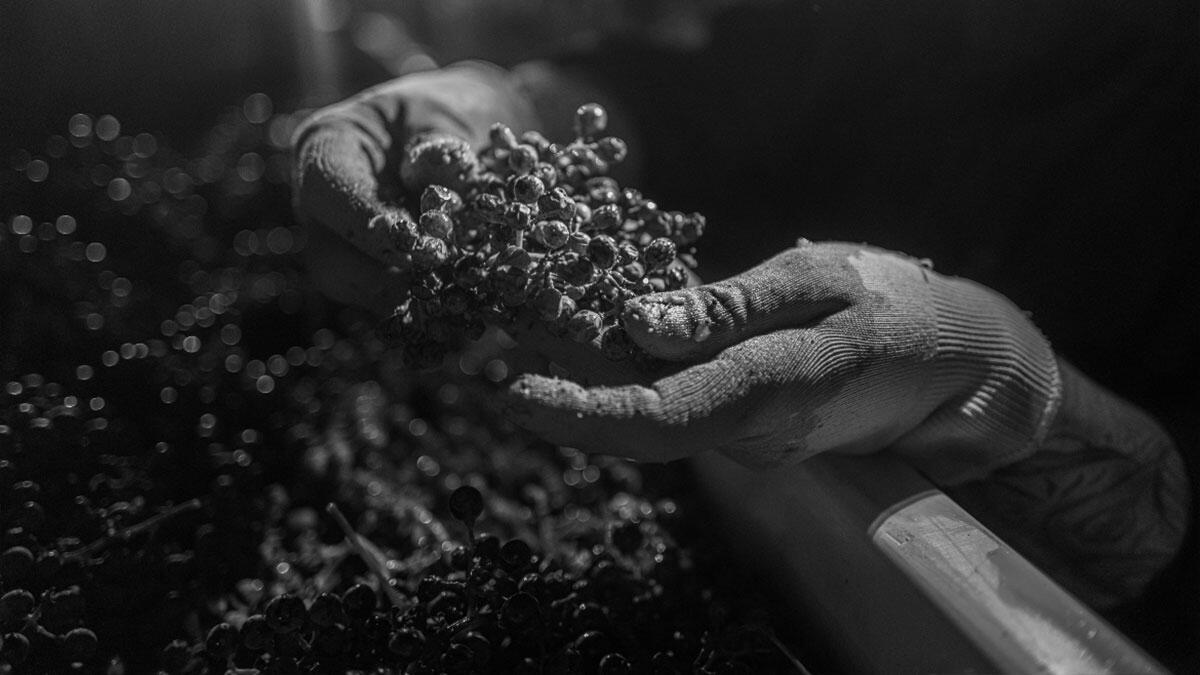
It's 5 a.m. in Napa Valley and the field workers have been picking grapes for an hour. Floodlights illuminate the pitch darkness, bringing to life the vines running up and down the sloping hillside. Off in the distance, a tractor rumbles, pulling a small trailer filled with plastic buckets that will soon be filled with grapes. Spanish chatter fills the air as the workers' hands move in quick, practiced motions. They work at night to escape the heat. It's cold enough now that their breath is visible, hanging like smoke before dissipating in the predawn darkness.
During harvest season in the Napa Valley, similar scenes play out at vineyard after vineyard, night after night. Entire fields picked clean, one vine at a time, bringing $11 billion to the local economy every year. The grapes picked at this particular field, on this particular morning, are sweet to the taste, and will soon be crushed to make Cabernet Sauvignon, the full-bodied red wine for which the region is known.
Light is seeping into the sky, casting long shadows in the dirt. The driver of the tractor reviews the crew's work, a cigarette dangling from his mouth. These workers say their boss, a veteran of the Napa wine industry who operates a small vineyard management company, treats them well. That's not the case for all field hands in the county.
Nearby, in Pope Valley, sits the Oso Vineyard, a sprawling, 129-acre site featuring Cabernet S