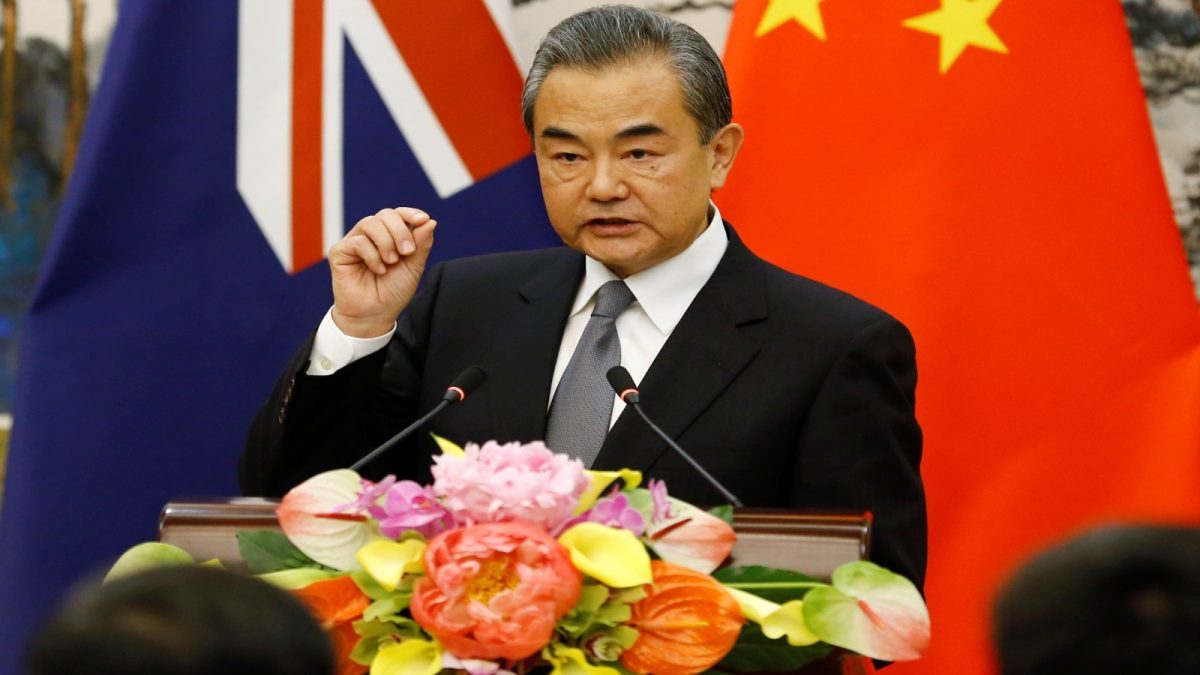
In a significant diplomatic intervention aimed at stabilising a volatile South Asian frontier, CNN-News18 has learnt that China has stepped forward as a primary mediator in the escalating conflict betweenPakistan and Afghanistan. Beijing’s top diplomat, Wang Yi, has formally communicated China’s “keen interest" in a de-escalation role, marking a shift towards more active regional crisis management as border tensions threaten to spiral into a broader confrontation.
The centrepiece of Beijing’s intervention is the deployment of China’s Special Envoy on Afghan Affairs, who is currently engaged in “shuttle diplomacy" between Islamabad and Kabul. During a high-level phone call with Pakistan’s Deputy Prime Minister and Foreign Minister, Mohammad Ishaq Dar, Wang Yi confirmed that the envoy is working on the ground to foster communication and reconciliation.
This shuttle diplomacy aims to create a neutral channel for dialogue at a time when direct diplomatic engagement between the Taliban-led administration in Kabul and the Pakistani government has hit a historic low.
The conversation between Wang and Dar focused heavily on the recent skirmishes along the Durand Line. Wang Yi expressed deep concern over the clashes, stressing that the “immediate priority" is to prevent further military escalation. For China, stability in this region is not merely a diplomatic preference but a strategic necessity, given its massive investments in the China-Pakistan Economic Corridor (CPEC) and its interests in Afghan mineral resources.
Wang reaffirmed China’s firm support for Pakistan’s fight against terrorism, a statement that carries significant weight as Islamabad continues to blame Afghan-based elements for a surge in domestic militant attacks.
Beijing’s message to both neighbours is clear: regional peace is contingent upon a stable Afghanistan–Pakistan border. Wang Yi called for both nations to:
Prioritise Dialogue:Use diplomatic engagement over military posturing.
Negotiate Differences:Address the root causes of border friction through formal bilateral frameworks.
Uphold Stability:Recognise that a conflict-ridden border benefits neither state and undermines the broader security of the Belt and Road Initiative (BRI).
This move follows China’s successful mediation between Iran and Saudi Arabia in 2023, suggesting that Beijing is increasingly comfortable acting as a “peace broker" in complex geopolitical disputes. By positioning itself as a mediator in the Pak-Afghan conflict, China seeks to prevent a security vacuum that could be exploited by transnational terror groups, which Beijing views as a direct threat to its western Xinjiang province.
Source: World News in news18.com, World Latest News, World News
