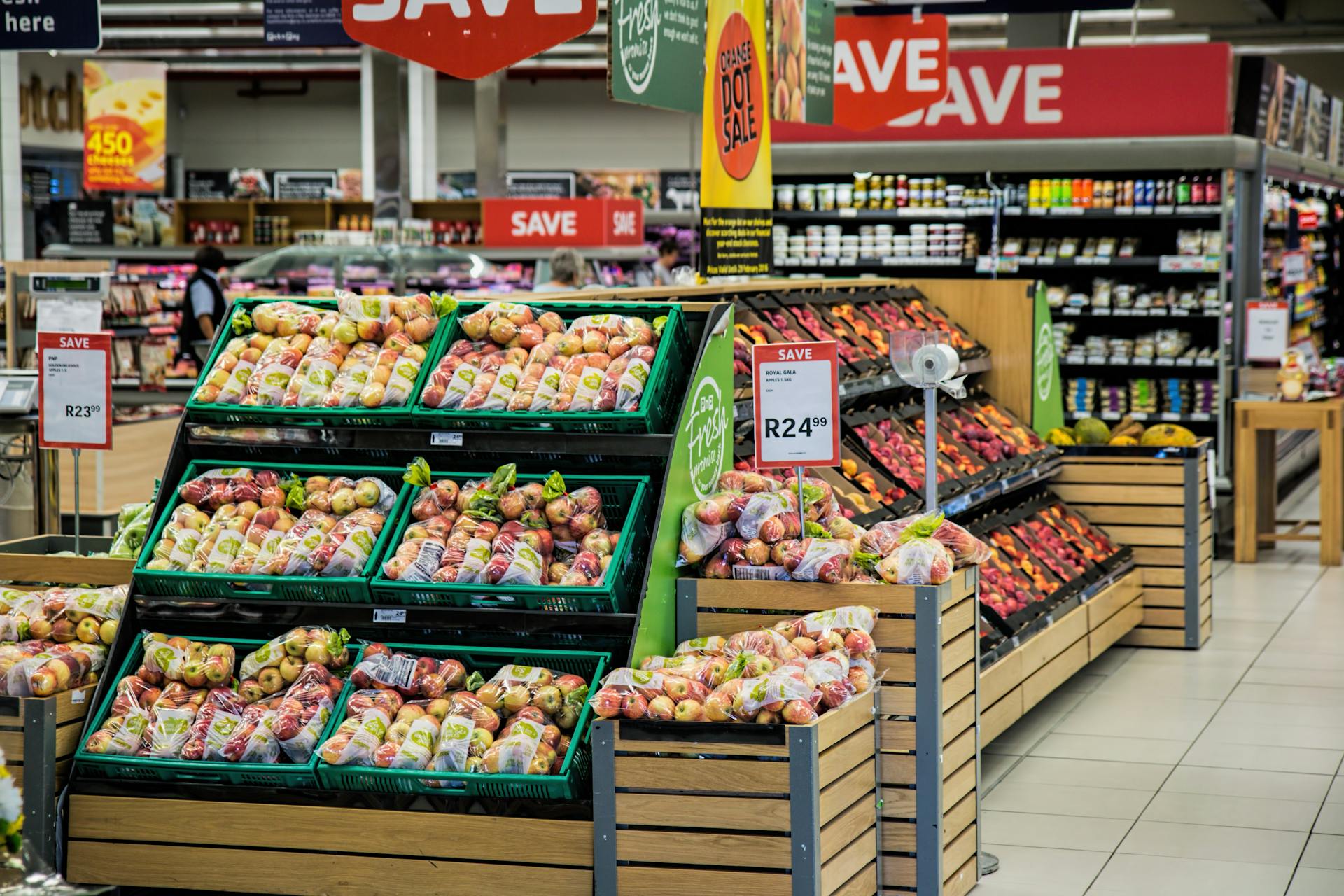
The American grocery landscape in 2026 remains defined by deep regional disparities, as inflation continues to reshape how households distribute their income.
According to recent data analysis from GOBankingRates, which synthesises cost-of-living indexes from the Missouri Economic and Research Information Centre and the Bureau of Labour Statistics, the purchasing power of a $100 grocery budget is no longer uniform across the country.
In states like Arkansas, Mississippi, and North Dakota, consumers see their dollars stretch further, effectively covering what would be considered a baseline national grocery haul. Conversely, residents inHawaii and Alaska encounter some of the highest food costs in the nation, driven by logistical isolation, heavy reliance on imported goods, and elevated operational costs for retailers.
The study revealed that 24 US states have grocery budgets of $100 or less, compared with $100 nationwide. The study found that Americans spend $1,305 or more per year on meat, poultry, fish, and eggs, while fruits and vegetables account for more than $1,000 in annual grocery costs across 10 states.
The study utilised the Bureau of Labour Statistics Consumer Expenditure 2024 survey to compile household costs for diverse grocery expenses. Each state's grocery cost-of-living index was sourced to determine the statewide averages for each expenditure. The actual cost of each state's grocery expenditures and the purchasing power for each expenditure were calculated using a $100 grocery budget.
The research found that Arkansas, Mississippi, and North Dakota are the top US states where a $100 grocery budget goes the furthest. A $100 budget in Arkansas covers what would cost $108.34 nationally. Meanwhile, a $100 in Mississippi and North Dakota covers what would cost $106.04 nationally.
The research also found that the annual cost of living in Arkansas was $35,231, while the annual cost of groceries at home stood at $5,745. The average living cost in Mississippi was $33,390, and the average grocery cost at home was $5,869. In North Dakota, the annual living cost was $41,034, with groceries costing $5,869 annually.
In Hawaii, a $100 grocery budget covers what would cost $76.63 nationally, the lowest purchasing power. Elsewhere in Alaska, the same budget would cover what would cost $80.39 nationwide.
Hawaii's annual cost of living was estimated to be the highest at $95,651, while the average cost of yearly groceries at home stood at $8,122. Meanwhile, it would cost you $57,091 annually if you live in Alaska. The average annual grocery bill in this state was around $7,743.
The annual cost of living was also high in California, at $79,460. Yearly grocery costs also averaged high at a significant $6,691. California was followed by Massachusetts, Washington, and New Jersey.
Source: International Business Times UK
