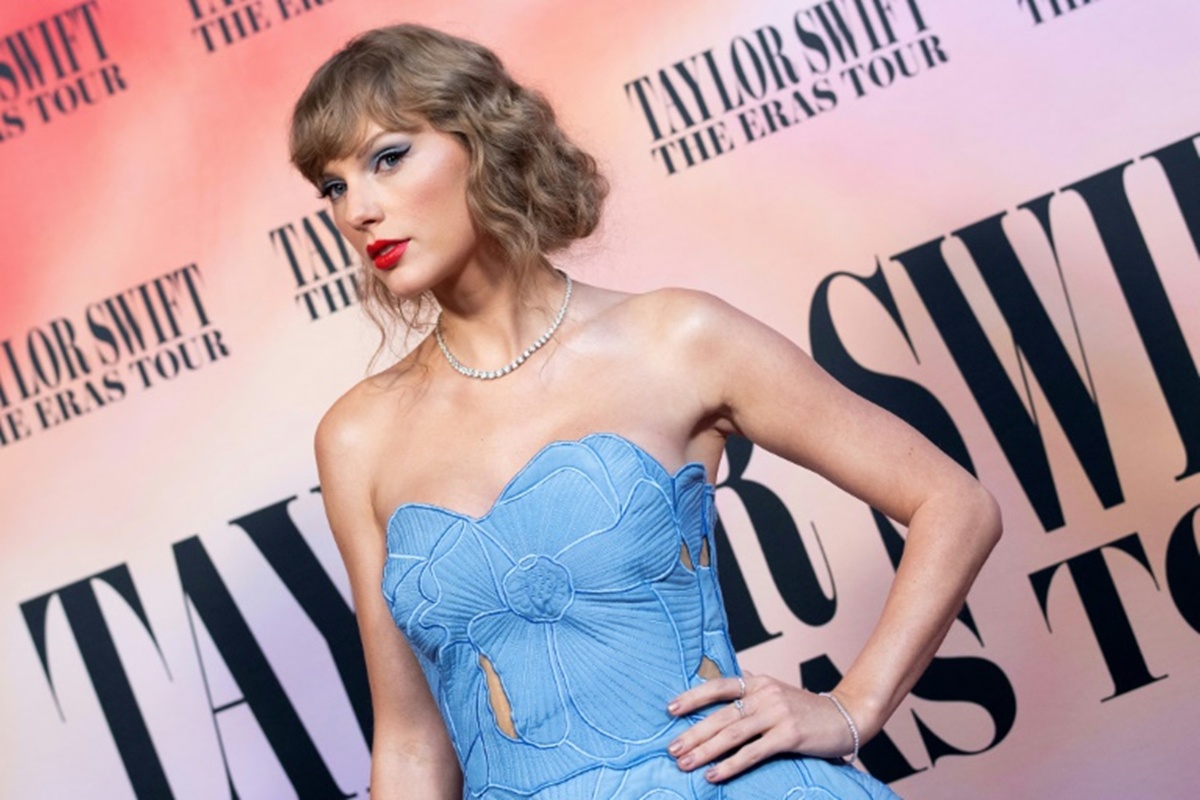
Taylor Swift is back in the headlines, and this time the conversation is about more than music. Over the years, she has turned her songs into something close to a financial empire. Her music catalogue is now estimated to be worth about $900 million, placing it among the most valuable catalogues ever assembled in modern music.
Only catalogues linked to Michael Jackson and The Beatles are widely believed to rank higher. The figure reflects far more than Swift's chart success. It also shows how the global pop star shifted the balance of power between artists and the music industry. She did it by fighting for control of her recordings and by re-recording earlier work so she could own it herself.
The wealth of Travis Kelce's fiancé has surged in recent years, helped by record-breaking tours, huge streaming numbers and firm ownership of much of her music catalogue. Recent reports suggest the songs alone now make up a substantial share of her overall fortune.
Music catalogues have quietly become one of the most valuable assets in the entertainment world. A catalogue includes the rights to an artist's songs and recordings. Those rights bring in income through streaming platforms, radio airplay, film licensing and advertising deals.
Discussions cited onReddit's Taylor Swift fan communitysuggest the American singer-songwriter's catalogue is now valued at roughly $900 million. That places it as the third most expensive catalogue ever, behind those associated with Michael Jackson and The Beatles.
That position places her work in a financial league usually reserved for the biggest icons in music history.
The achievement stands out for another reason. Swift, now 36, is still actively creating new music. Many of the catalogues that reach this level belong to artists whose songs have been collecting royalties for decades.
For Swift, the value has grown while she continues to shape modern pop culture and release new material.
Swift's catalogue became something more than a collection of songs after her widely publicised dispute over music ownership.
Several years ago, the master recordings of her early albums were sold in a deal she openly criticised. Rather than accept the outcome, Swift began re-recording those albums so she could regain control over the music.
Source: International Business Times UK
