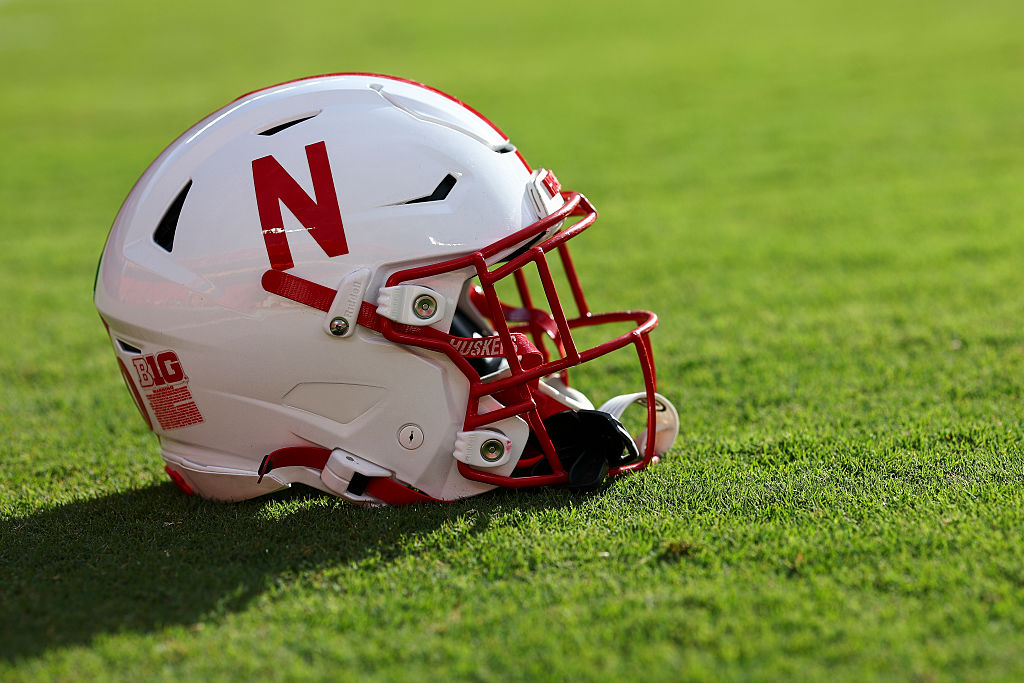
Members of theNebraska Cornhuskersfootball team are preparing to fight for their right to cash-in through NIL deals that the College Sports Commission have deemed ineligible.
We have waited to see when the new NIL-Go entity, that either approves or denies deals submitted through the clearinghouse, will be challenged when it comes to not approving an NIL agreement.
Now, we have our first case that could set a standard for future arbitration within the guidelines for future arguments.
On Tuesday, the CSC announced they had cleared 21,025 deals since the inception of NIL-Go, worth $166.50 million. There have also been 711 deals that have been reviewed and denied, worth a total of $29.30 million.
Of the agreements submitted for approval across college campuses, 18 of those deals have gone to arbitration. And now, we know that Nebraska football players were the sole focus of those 18 deals that have now been consolidated into a single case.
At the center of the argument, which was first reported byRoss Dellenger of Yahoo Sports, are deals that were established under multimedia rights, OutKick has confirmed.
The CSC first reached out to Nebraska officials on January 15 to inform the school that other deals submitted were being investigated. Now, nearly two months later, we are seeing a battle brewing that pertains to numerous players fighting over the denial of deals tied to a third-party entity outside the rev-share allotment.
We have seen a massive push over the last few years from schools' multimedia rights partners striking deals with athletes to secure their marketing or commercial rights. The CSC's argument is that this type of deal does not contain any type of immediate deliverable, which is essentially the entity saying that there is not an immediate event that an athlete is participating in to justify the deal.
And, since every school is operating under the revenue-share cap, these third-party deals are seen as a way for schools to circumvent that agreed-upon cap. So, if a school is going to allot $2 million for the star quarterback, the third-party entity could sign the player to an outside deal for an additional $2 million to increase their overall revenue from the ‘school.’
Why there isn't already a rule or mechanism in place to prevent this clear and intentional end-around the cap is a burning question that needs to be addressed. A worthy solution could prevent many cases from even reaching the under-staffed and overwhelmed CSC in the first place.
Source: The Latest & Most Breaking News With OutKick
