Authored by Larry C. Johnson via Sonar21
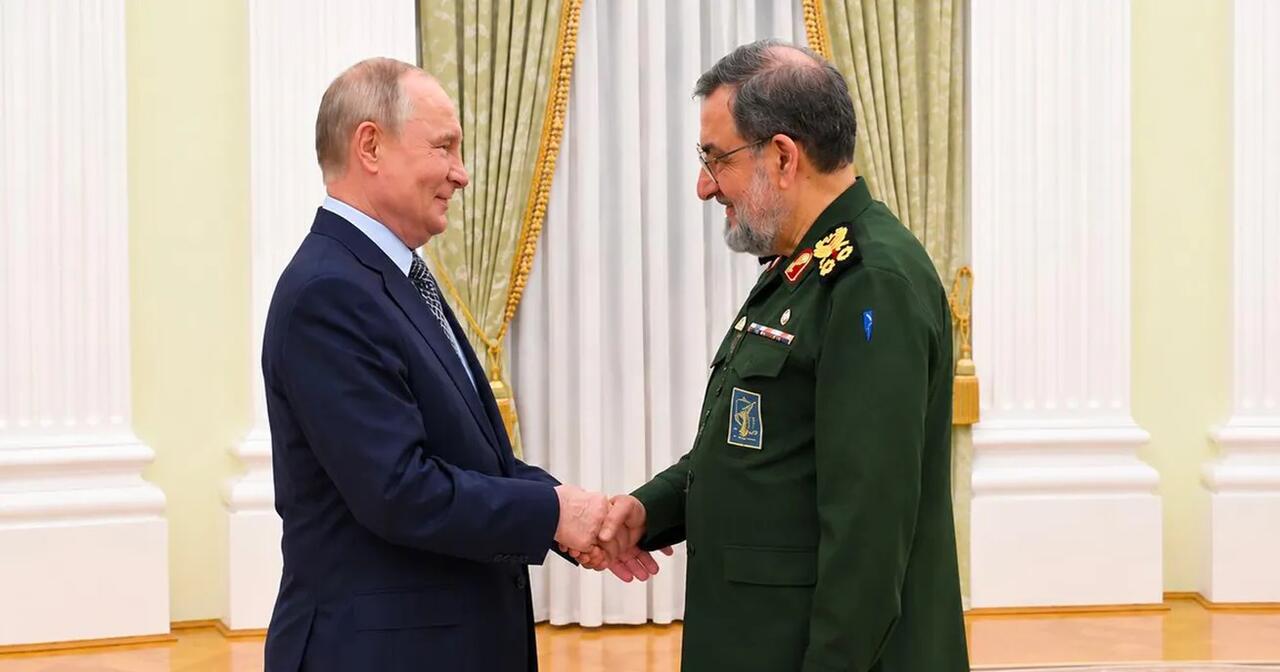
Vladimir Putin does not give three hours of his time to people who have nothing to say. On Thursday, he gave three hours to Mohsen Rezaei, the secretary of Iran’s Supreme National Security Council. Two days later, Israel's president handed the job of forming the next government to Gadi Eisenkot instead of Benjamin Netanyahu.
Washington spent the week arguing about the midterms. Moscow, Tehran and Jerusalem spent it rearranging the board.
What the Kremlin said, and what it didn’t
The Kremlin’s account of the meeting was a masterpiece of saying nothing. Putin received Rezaei on November 5. The two discussed “the current state of bilateral relations” under the Comprehensive Strategic Partnership Treaty, and “the situation in the Gulf region and the Middle East as a whole.” A message from Iran’s Supreme Leader was delivered. Its contents were not disclosed. That was it.
The Kremlin is never chatty, but the brevity is itself a message. When Moscow wants the world to know it has promised something, it says so. When it wants room to bargain with Washington, it publishes three sentences.
via the KremlinThe photograph said more than the text. Sitting on the Russian side of the table were Yuri Ushakov, Putin’s senior foreign policy adviser, and Igor Kostyukov, the head of the GRU, Russia’s military intelligence service. You do not bring your top diplomat and your top military intel