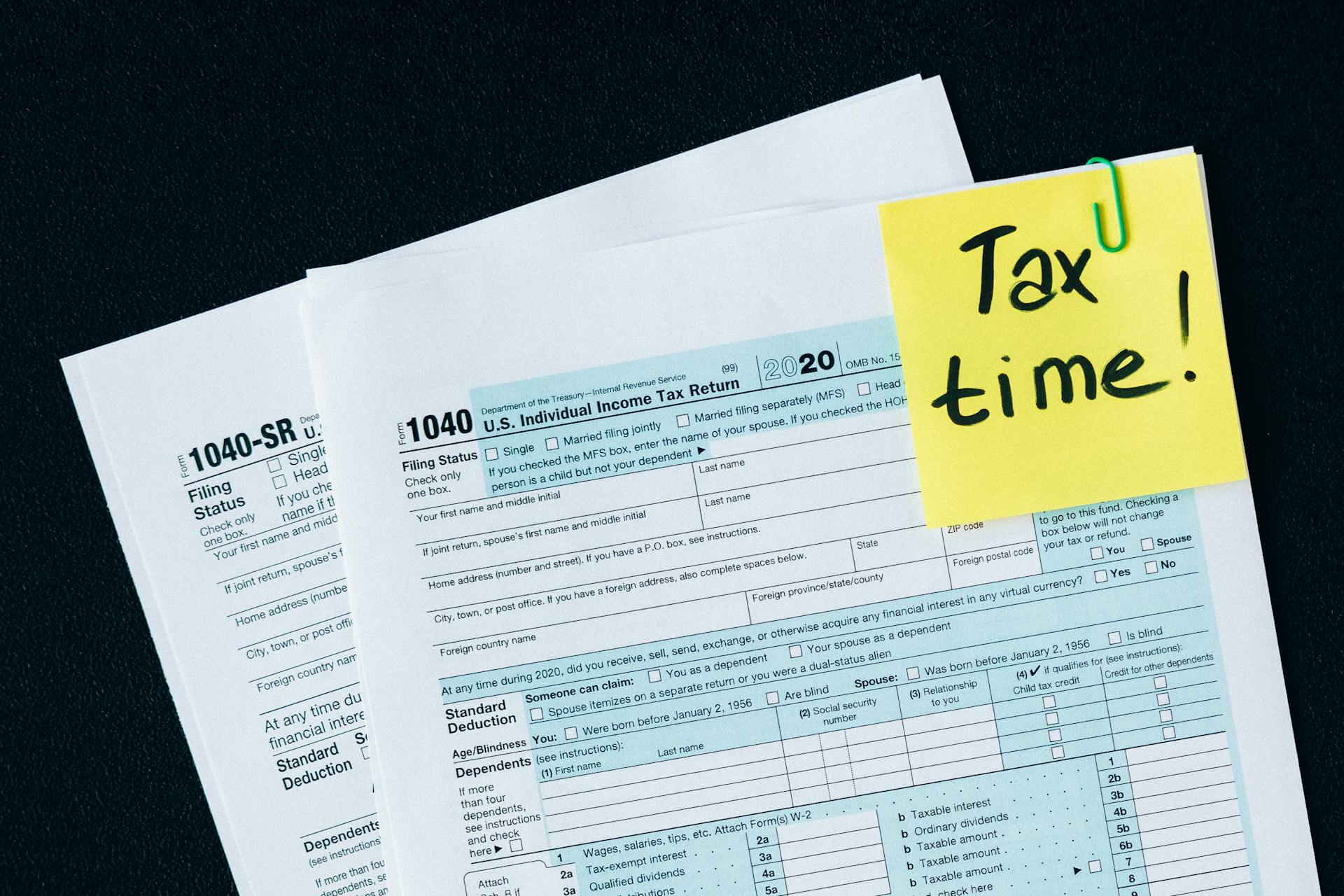
Americans are receiving bigger tax refunds this year. Internal Revenue Service data shows refunds increased more than 10% compared with the last filing season. As of 27 February, the average US tax refund was $3,742, up from $3,382 a year earlier, an increase of $360.
The IRS has already disbursed $136.6 billion in refunds this tax season to 36.5 million taxpayers, up 9.4% from $124.8 billion a year earlier. US President Donald Trump's tax reforms and breaks on overtime and tips could be driving the higher refunds.
However, a new law is leading the IRS to transition to fully electronic direct deposit payments from paper checks, which could mean not everyone gets their tax refunds on time. The US Treasury is moving away from paper checks to reduce identity theft.
Threat actors can misuse your Social Security Number (SSN) to file a fake tax return and collect your refund. Affected taxpayers might not even learn of the identity theft until they attempt to file a tax return and the IRS rejects it as a duplicate filing.
For the 2023 tax filing season alone, the IRS flagged more than 1 million tax returns for potential identity theft, and over $6 billion in refunds required additional review.
This means the IRS could process returns filed without valid direct deposit data, but the refund could be placed on hold until the taxpayer provides correct banking details.
People face tax refund delays due to missing or incorrect bank details and filing errors, such as incorrect overtime income calculations or incorrect deductions. However, the IRS's phasing out of paper checks could now affect countless people who do not have bank accounts and rely on them.
At the same time, the IRS has urged taxpayers to create an official Individual Online Account ahead of the 15th April deadline to securely file taxes and access sensitive information. The account for individuals is a 'tool that makes it easier for you to manage your personal federal taxes, and save time by going online instead of calling and waiting on the phone,' the IRS said in a recent press release.
The IRS Individual Online Account offers bank-style convenience and security to taxpayers, according to the agency. This account offers multiple features and serves as a central hub for IRS communications and payments. Taxpayers can now use the account to view their adjusted gross income details, request and access an Identity Protection PIN, check refund and amended‑return statuses.
Users can also manage power of attorney, set language preferences, receive and review over 200 types of digital notices, make or cancel payments, and even track their outstanding balances. The IRS believes these accounts could make filing taxes faster and smoother. Furthermore, direct access to tax documents via the account also reduces the need to store them in paper copies
Source: International Business Times UK
