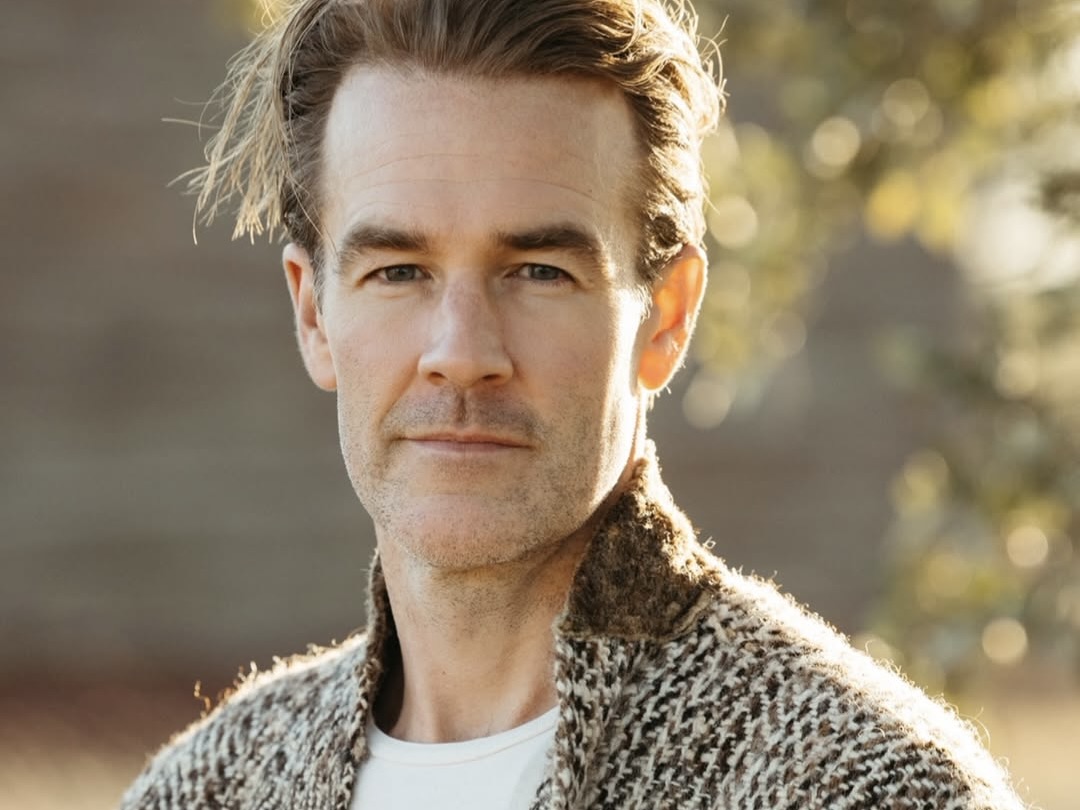
The last public words about James Van Der Beek's life came not from a studio, a publicist or a streaming service tribute, but from his wife, written in the plain font of anInstagramcaption.
'Our beloved James David Van Der Beek passed peacefully this morning,' Kimberly wrote. 'He met his final days with courage, faith, and grace... For now we ask for peaceful privacy as we grieve our loving husband, father, son, brother, and friend.'
For millions who still picture him as the too‑earnest teen pacing the docks inDawson's Creek, it was a blunt, devastating confirmation: the boy from Capeside had gone, at just 48.
News of Van Der Beek's death broke on 11 February, with US reports later clarifying that it had been formally reported to the Travis County Medical Examiner's Office in Texas at 6.44am local time. The bare administrative detail sits uneasily alongside the rawness of Kimberly's statement.
She revealed little of the mechanics and everything of the tone.
'He met his final days with courage, faith, and grace,' she wrote, hinting at a private end that matched the way he had tried to handle a very public illness. 'There is much to share regarding his wishes, love for humanity and the sacredness of time. Those days will come.'
That line feels important. It suggests a man who, even as his body failed him, had been thinking hard about what he wanted to leave behind beyond a back catalogue and a famous meme. But his widow was clear: not yet. 'For now we ask for peaceful privacy,' she said — a small, firm boundary drawn around a family that has spent years letting the world peek into its chaos.
The statement itself did not mention cancer. It did not need to. Van Der Beek had already told the world, in late 2024, that he had been diagnosed the previous year with Stage 3 colorectal cancer. As of 12 February, reports in US entertainment media were blunt: he had died following complications from that disease, first identified in 2023.
In an earlier interview he had spoken with painful honesty about the uncertainty that came with it. 'The trickiest thing is there are so many unknowns with cancer,' he admitted. 'You think, "How do I fix this? Is this healing me? Is this hurting me? Is this working? Is it coming back?" As someone who likes answers, not knowing is one of the hardest things. I have a lot to live for.'
That last sentence hangs in the air now. He did have a lot to live for. That, in the end, is what makes the official notices feel so clinical.
Source: International Business Times UK
