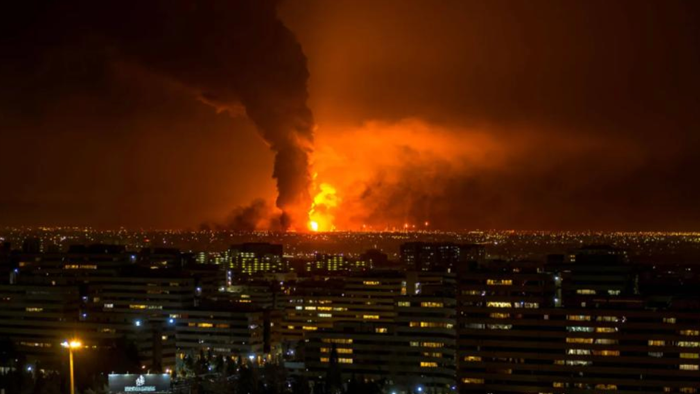
America-Israel's Operation Epic Fury entered its 12th day, with U.S. Defense Secretary Pete Hegseth indicating that the most intense phase of U.S. strikes is expected on Wednesday. Tehran responded with retaliatory strikes against Gulf neighbors, as Goldman's foreign affairs chief warned of a growing risk of regional spillover (read here). Overnight, market attention centered on energy, with the IEA reportedly proposing its largest-ever emergency crude release to combat Brent and WTI prices, which have reached triple-digit territory.
"The most fighters, the most bombers, the most strikes. Intelligence more refined and better than ever. So that's on one hand," Hegseth said. "On the other hand, the last 24 hours have seen Iran fire the lowest number of missiles they've been capable of firing yet."
Beyond the panic among G-7 leaders and the IEA over crude prices, the Trump administration has also pushed its own headlines on Tuesday in an effort to jawbone energy prices lower, as weexplained here.
Jawboning headlines from G-7 and the Trump administration on Tuesday were shortly followed by headlines that Iran had begun mining the Strait of Hormuz. That came after President Trump warned Tehran not to "put out any mines" in the narrow waterway. Shortly afterward, the U.S. military said 16 Iranian mine-laying naval vessels had been eliminated.
Overnight reports described heavy U.S. and Israeli strikes on IRGC targets, with damage reported to oil facilities, civilian sites, and a hospital in Bushehr taken out of service. Iran has claimed that nearly 10,000 sites have been hit overall.
There are currently no signs of de-escalation from either side, with IRGC spokesman Ebrahim Zolfighari warning the Trump administration at the start of the week: "If they can afford the price of oil at $200 per barrel, let them keep playing this game."
The latest casualty report states that more than 1,200 people have been killed by U.S. and Israeli strikes in Iran, according to the Iranian Red Crescent Society, and 13 have died in Israel as Iran retaliated with missiles and drones.
Chief Pentagon spokesperson Sean Parnell said that 140 U.S. service members have been wounded in the conflict so far.
"The vast majority of these injuries have been minor, and 108 service members have already returned to duty," Parnell said. "Eight service members remain listed as severely injured and are receiving the highest level of medical care."
The latest and most critical overnight headlines (courtesy of Bloomberg):
Source: ZeroHedge News