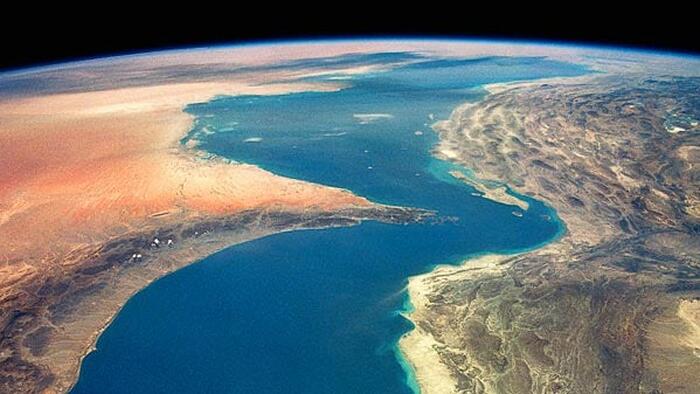
War is raging in Iran. Amid the fog of propaganda, it is increasingly difficult to separate fact from fiction, to distinguish AI-generated material from actual bomb strikes, and to see behind the carefully woven veil of media spin and national interests. Yet, we attempt here to make sense of the latest moves on the geopolitical chessboard.
One immediate consequence of the Strait of Hormuz blockade is a fatal ripple effect in the energy sector. Companies such as QatarEnergy are forced to reduce gas and oil production. Refineries are shutting down, and tankers can no longer transport output. The physical logistics of the energy market are faltering – with consequences far beyond the region.
Markets are responding nervously. Both spot and futures prices continue to climb. At the close of New York trading, WTI crude stood at around $93 per barrel, nearly a twenty percent increase since the U.S.-Israeli intervention against Iran’s Ayatollah regime.
From a European perspective, the implications are clear. The highly energy-dependent continent is increasingly politically adrift. For many governments, a lot is at stake if prices are not swiftly brought under control. Rising energy costs, growing production expenses, and mounting burdens on households and businesses threaten a new economic stress test for Europe.
For a week, Brussels has been in frenetic motion. Ursula von der Leyen’s European Commission stages media-friendly exercises that amount to little more than political shadowboxing: attempting to solve a shortage problem that cannot be eliminated through domestic production. Member states arecurrently discussingjoint purchasing consortia and familiar tools such as subsidies and cost offsets for energy-intensive industries – the usual toolkit, deployed repeatedly in the past. In other words, much of it boils down to massive debt accumulation intended to temporarily alleviate the effects of the Hormuz blockade.
Looking to Germany, one sees how vulnerable Europe’s energy architecture remains. The rapid decline of gas storage levels underscores the importance of a robust strategic reserve.
In this context, the European decision to mandate a strategic oil reserve equivalent to at least ninety days of average consumption was farsighted. The timing and scale of reserve deployment remain uncertain.
A note on the disproportionately high gasoline prices in Germany: this is precisely the effect when a high-taxing fiscal state claims roughly 65 percent of the retail price. In an energy crisis, this structure paradoxically makes the state a short-term beneficiary of rising prices.
The Europeans’ inability to act was epitomized by German Environment Minister Carsten Schneider of the not-so-social Social Democrats. Faced with rising fuel costs, he bluntly recommended that Germans switch to electric cars. This cynical stance – coming from the security of a well-padded, subsidized political bubble – makes the attitude so unbearable. Those who drive the country economically – millions of commuters dependent on cars for their livelihood – are dismissed entirely.
Naturally, the expansion of renewable energy and the continued commitment to the green transition remain central points on the EU agenda. They simply cannot escape their closed, ideologically narrow argumentative framework.
Source: ZeroHedge News
