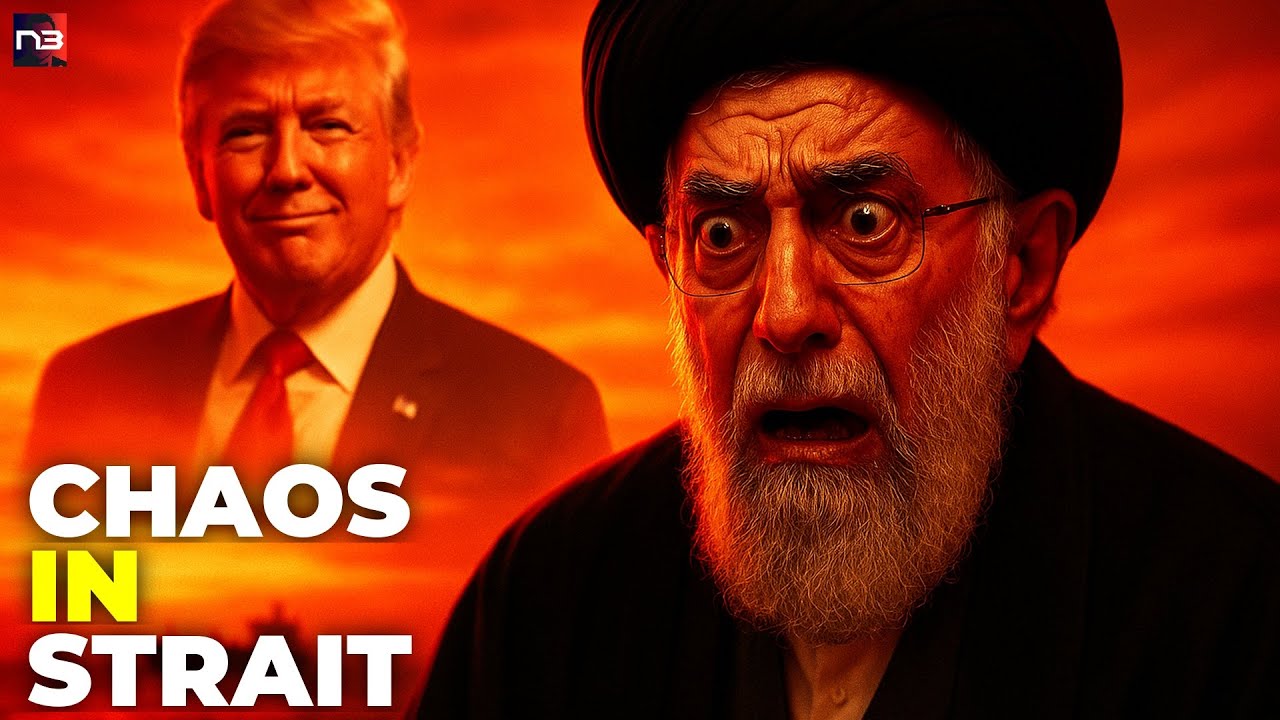
The Iranian regime just learned a brutal lesson about underestimating Donald J. Trump. While Tehran's military brass was busy scheming to deploy up to six thousand naval mines in the Strait of Hormuz — a move that would have strangled twenty percent of the world's oil supply and sent your gas prices through the roof — President Trump was already three moves ahead on the geopolitical chessboard.
And now? Iran's mine-laying capabilities lie in ruins, and the mullahs are scrambling to figure out what hit them.
Make no mistake, Patriots: this wasn't some minor military posturing. Iran's plan to weaponize the Strait of Hormuz — one of the most critical maritime chokepoints on Earth — was nothing short of economic warfare against every American family. Every time you fill up your tank, every time you pay your heating bill, you're connected to those shipping lanes where oil tankers traverse daily.
The Iranian regime calculated they could hold the global economy hostage, forcing the international community to bend to their demands. It's the same playbook terrorist states always use: threaten innocent people's livelihoods to gain leverage.
But they made one fatal miscalculation: they forgot who's sitting in the Oval Office.
Intelligence sources reveal that the Trump administration identified Iran's covert mine-laying preparations and moved decisively to neutralize the threat before it could materialize. The United States military, operating under Trump's directive, has effectively dismantled the operational capabilities of Iran's mine-laying fleet.
Let that sink in. While the Biden administration spent four years appeasing Tehran, sending pallets of cash and begging for nuclear deals, President Trump took office and immediately reminded the world what American strength looks like.
This is what "peace through strength" means in practice, folks. You don't achieve stability by groveling to hostile regimes — you achieve it by making crystal clear that any attack on American interests or global stability will be met with overwhelming consequences.
Some might wonder why a naval standoff thousands of miles away should matter to everyday Americans. Here's the reality: global energy markets are interconnected, and any disruption in the Strait of Hormuz would send shockwaves directly into your wallet.
We're talking potentially skyrocketing gas prices, increased costs for goods shipped across the country, and economic instability that would hit working families hardest. The elites in Washington and Wall Street can absorb those costs. Can you?
Source: Next News Network