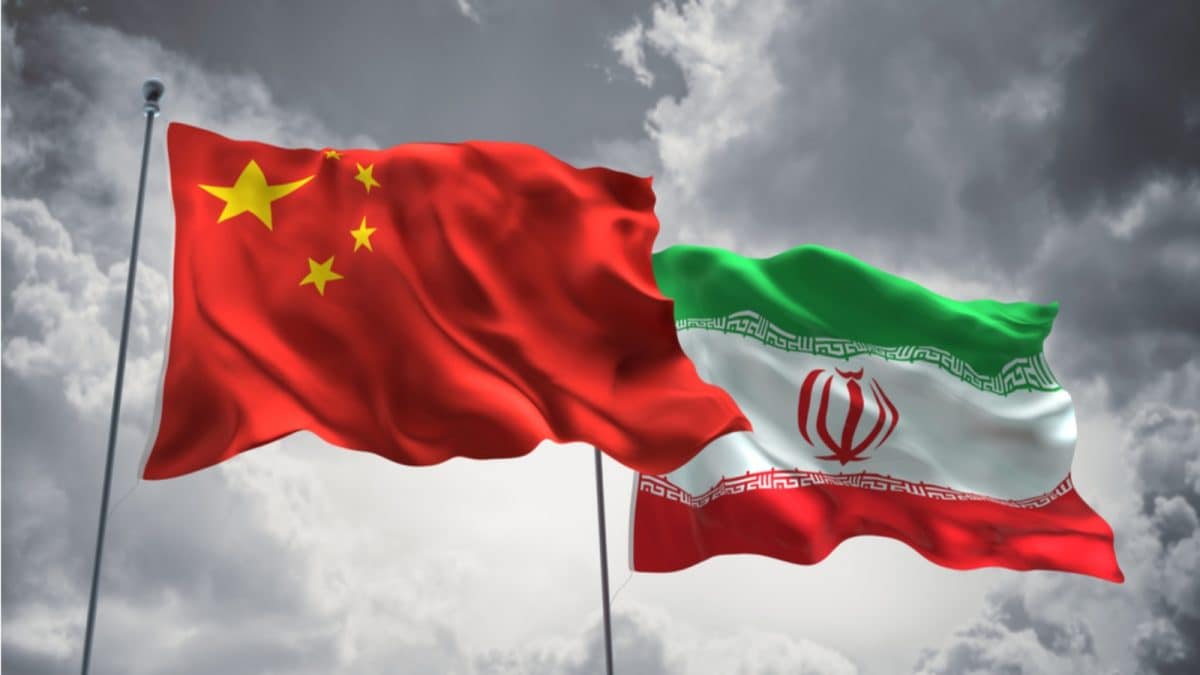
As tensions in West Asia disrupt global energy flows and raise fears over shipping through the Strait of Hormuz, intelligence sources say China has quietly emerged as one of the biggest beneficiaries of the crisis—securing discounted Iranian oil, gathering valuable military data, and expanding its strategic reach in the region.
Top Indian intelligence sources told CNN-News18 that Beijing’s deep ties with Tehran and the Islamic Revolutionary Guard Corps (IRGC)-linked maritime networks have allowed it to maintain a steady flow of crude even as geopolitical tensions roil global markets.
China today buys roughly 80-90 per cent of Iran’s oil exports, amounting to about 1.3-1.6 million barrels per day, according to the sources. During periods in early 2026, imports are estimated to have approached 2 million barrels per day.
The purchases come at a steep discount. Beijing is reportedly securing Iranian crude at $8-$12 per barrel below Brent benchmarks, saving billions of dollars annually while strengthening its energy security.
At the same time, China has built massive strategic and commercial crude reserves after aggressive purchases through 2025. These stockpiles, intelligence officials say, now act as a cushion against potential disruptions in the Strait of Hormuz—one of the world’s most critical energy chokepoints.
In recent weeks, China has also temporarily reduced imports and shifted some purchases toward Russian crude, diversifying supply lines amid uncertainty in the Gulf.
Shadow Fleet Moving Iranian Oil
A key pillar of this trade is a covert maritime network known as the “shadow fleet." Intelligence assessments indicate that nearly 400 vessels are involved in transporting sanctioned Iranian crude across global waters.
China is the dominant end-buyer in this network, with most shipments ultimately heading to its independent “teapot" refineries.
These tankers often switch off their AIS transponders—the tracking devices used to monitor ship locations—or use spoofing techniques to broadcast fake identities or positions. Ships may appear to be sailing in one location while actually operating elsewhere.
Source: World News in news18.com, World Latest News, World News