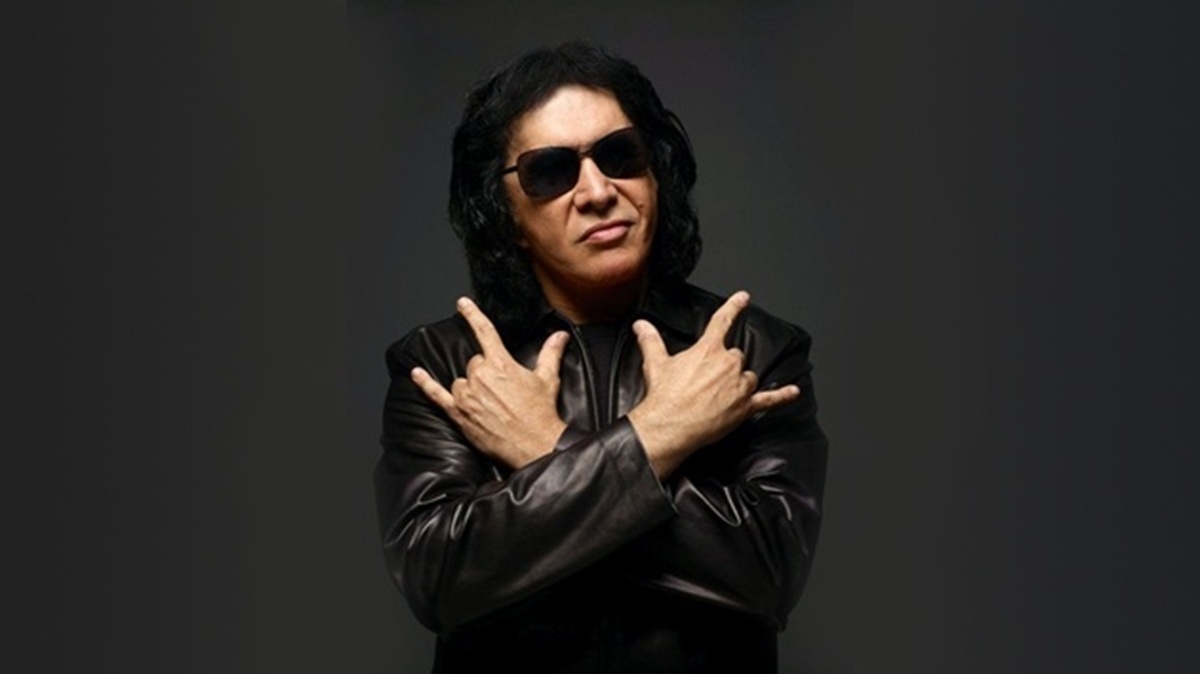
Gene Simmons, co-founder of the rock band KISS, has sharply criticised Hollywood actors for speaking out on political issues. Speaking in a recent interview, Simmonscalled outfigures such as Ben Stiller andMark Ruffalo, urging them to 'shut the f*ck up' and concentrate on their art.
The comments come amid ongoing debate over the role of celebrities in political discussions, particularly regarding current global conflicts.
Simmons, known for his blunt and outspoken nature, argued that actors and entertainers should avoid lecturing the public. He stated that many people work hard for their living and are uninterested in hearing the opinions of those living in mansions and driving luxury cars.
The KISS co-founder emphasised that Hollywood figures should stick to their craft rather than commenting on matters such as war and political policy.
During the interview, Simmons mentioned Ben Stiller andMark Ruffaloas examples of celebrities who have publicly expressed political views.
Stiller has recently criticised the use of his film clips for political purposes, while Ruffalo has been vocal on issues ranging from climate change to government policy.
Simmons' remarks highlighted a growing tension between Hollywood voices and public opinion, suggesting that the influence of actors on political discourse may be overstated.
Simmons also referenced Kylie Jenner in his broader commentary, noting that even reality television figures have voiced opinions on global conflicts. While his remarks were direct and uncompromising, they were not aimed solely at individual actors but reflected a general criticism of celebrity involvement in politics.
BREAKING - KISS cofounder Gene Simmons says it is time for celebrities like Ben Stiller and Mark Ruffalo to "shut the f*ck up.""People work hard for a living, and they don't want to be lectured by people who live in mansions and drive Rolls-Royces. It's time to shut up."pic.twitter.com/8nXNhHU5z6
Gene Simmonshas a long history of speaking candidly about public and political matters, often drawing attention for controversial statements.
Source: International Business Times UK
