A defunct satellite launched by NASA about 14 years ago to study Earth’s radiation belts is set to fall back to the planet on Tuesday. The spacecraft, weighing around 1,323 pounds and known as Van Allen Probe A, is expected to re-enter the atmosphere at about 7:45 p.m. EDT, according to estimates by the United States Space Force.
The satellite’s return will be an uncontrolled re-entry, meaning the space agency cannot direct or control its path. Most of the spacecraft is expected to burn up as it passes through the atmosphere during the descent.
However, the agency noted in a statement that “some components are expected to survive re-entry."
“The risk of harm coming to anyone on Earth is low, approximately 1 in 4,200," NASA said. “NASA and Space Force will continue to monitor the re-entry and update predictions."
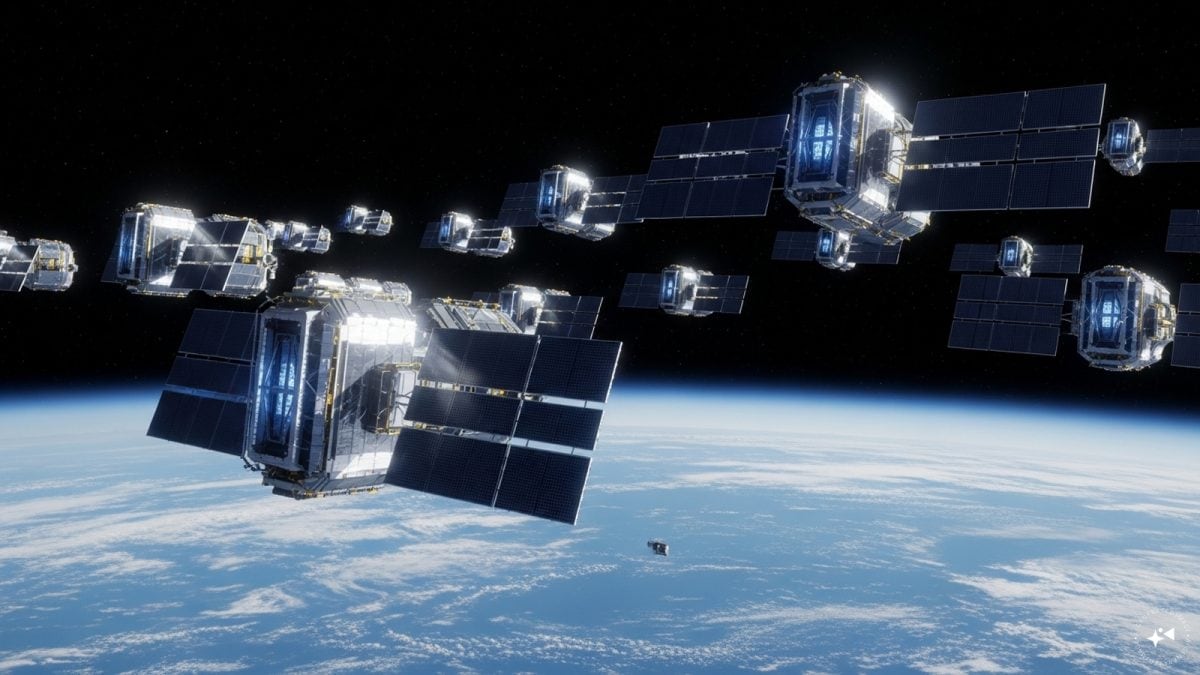
Thousands of satellites currently orbit Earth, enabling services such as television, internet, communication and navigation. More than 5,000 satellites are already in space, and the number is expected to rise sharply in the coming years, including thousands planned under SpaceX’s Starlink programme.
Objects falling from orbit, however, are not unusual. Each year, over 100 tonnes of space debris re-enters Earth’s atmosphere. Most of it burns up before reaching the ground, which is why these events usually go unnoticed.
If a very large number of satellites were to stop functioning and begin falling back to Earth, the first major impact would be the sudden loss of satellite-based services. Communication networks, internet connectivity and GPS systems would be disrupted, affecting navigation, aviation and global economic activity.
The descent of satellites would not happen all at once. Depending on their altitude and speed, some could take years or even decades to re-enter the atmosphere. When they finally fall, many parts would still burn up during re-entry, but some fragments could survive and reach the surface.
Under normal circumstances, scientists try to control a satellite’s final descent and guide it toward remote ocean areas or uninhabited regions. But if a large number were to fall without control, debris could land anywhere on Earth. Although oceans cover most of the planet, some fragments could still reach land and cause damage due to their extremely high speed.
Even so, the chances of such a scenario are extremely low. In most cases, Earth’s atmosphere protects the planet by destroying the majority of objects long before they reach the ground.
Source: World News in news18.com, World Latest News, World News
