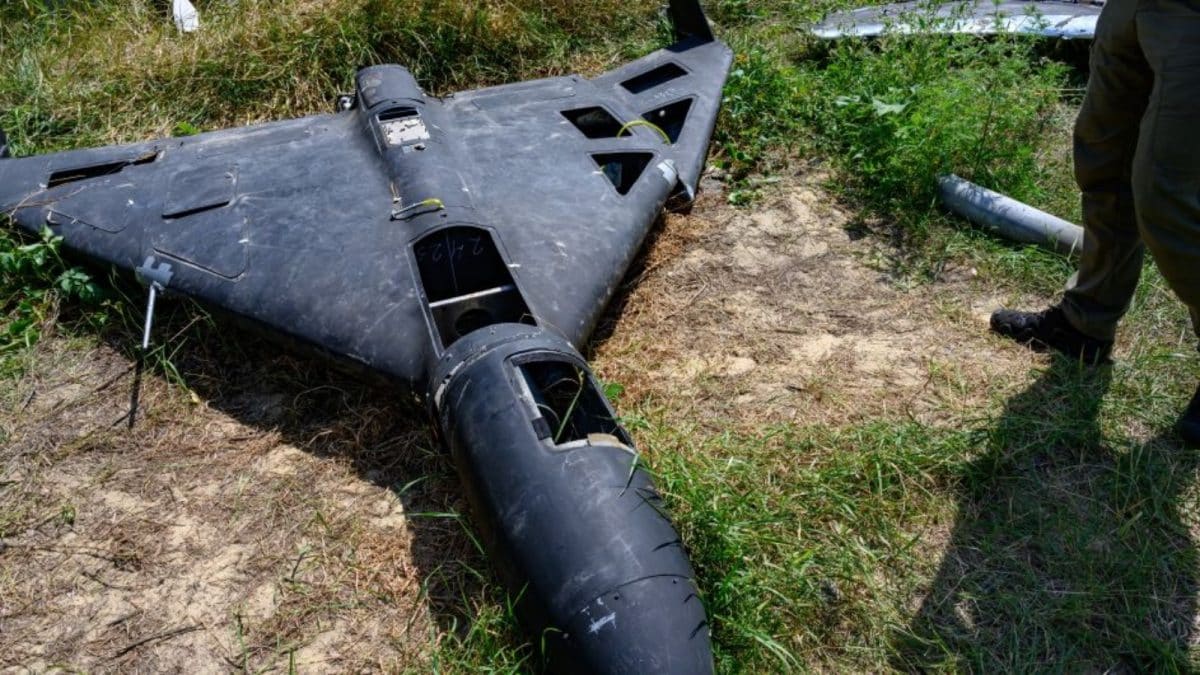
As the Iran war shows no signs of stopping, Iranian Shahed drones have begun striking US bases in West Asia. The drones have already been linked to the deaths of seven US service members in the Gulf.
US officials say the Shahed-136 drones, also known as Geran-2, are difficult to intercept. They fly low and slow, allowing them to slip past traditional air defence systems more easily than ballistic missiles. During a closed-door briefing on Capitol Hill, US Defence Secretary Pete Hegseth and Joint Chiefs Chairman General Dan Caine told lawmakers the drones have become a bigger operational challenge than expected.
However, according to Axios, months before the Iran war happened, Ukraine warned Washington about the threat and offered its battlefield-tested technology to counter Iranian drones.Nearly seven months before Iranian drones began challenging US defences in the Middle East, Ukrainian officials warned Washington about the threat and proposed a solution.Ukrainian officials even prepared a detailed presentation explaining how interceptor drones and sensors could help shoot down the Shahed systems and protect American troops and allies in the conflict zone.
But the proposal was dismissed by the Trump administration. Some US officials now call the decision a “tactical error."
Ukraine has years of experience fighting the same drones during Russia’s invasion. Moscow has used thousands of the aircraft, renamed Geran, in its attacks on Ukraine.
In response, Kyiv developed low-cost interceptor drones designed specifically to destroy Shahed-style aircraft. Ukrainian President Volodymyr Zelensky personally presented the technology to President Donald Trump during a closed-door meeting at the White House on August 18.
Ukraine also proposed creating “drone combat hubs" in countries such as Turkey, Jordan and Persian Gulf states to build a regional defence network. The plan did not move forward inside the US administration.
Now, as Iranian drones continue to challenge American air defences, the United States has quietly approached Kyiv for assistance, according to reports.
Officials say US forces have intercepted most Iranian drones and missiles, but concerns remain about the cost imbalance. A Shahed drone can cost $20,000 to $50,000, while interceptors used to shoot them down may cost millions of dollars.
The United States has announced plans to deploy its own anti-Shahed system, called Merops, as allies in the region face continued drone attacks.
Source: World News in news18.com, World Latest News, World News