We previouslyhighlightedthat Zelensky's biggest current worry is that the Iran war and ongoing major US operations there will starve Ukraine of critical arms, and especially long sought-after and expensive anti-air systems and munitions.
It's not just Ukraine expressing alarm, but now South Korea too, with President Lee Jae Myung on Tuesday loudly complaining about Washington's plans toredeploy Patriot air defense batteries from the Korean Peninsula to the Middle East in order to bolster regional defenses against Iran.
Lee voiced his clear opposition, but his political intervention didn't work. "The USFK may dispatch some air defense systems abroad in accordance with its own military needs. While we have expressed opposition, the reality is that we cannot fully push through our position," the Korean leadertoldreporters.
He did temper his remarks by saying that withdrawal of some systems "does not hinder deterrence strategy towards North Korea" - given superiority of these systems over what Pyongyang has in its arsenal.
Nearly 30,000 American troops are maintained and rotated across bases in South Korea, along with missile defense systems, for decades seeking to provide a 'check' on the nuclear-armed north.
At times the US has even docked advanced nuclear submarines at peninsula ports, which has raised the temperature higher - often with surprise North Korean missile tests.
Meanwhile, some local media indicate several Patriot missile batteries have already been moved out of Osan Air Base, potentially heading to American outposts in Saudi Arabia or the UAE, though officials in Seoul have not confirmed this.
Korean media precisely lays blame on the new US operation launchedagainst Iran:
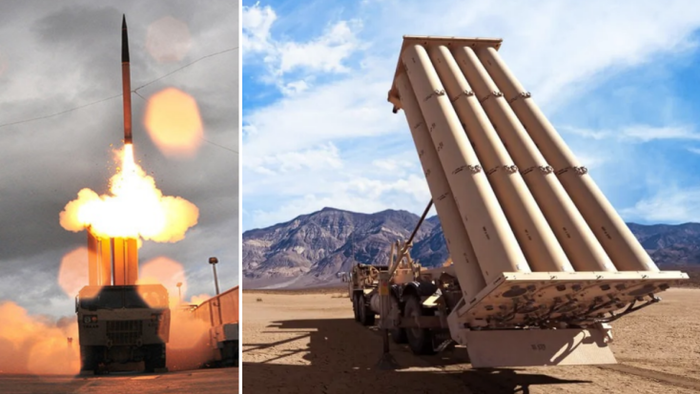
The United States, engaged in a war with Iran, has begun relocating part of itsTerminal High Altitude Area Defense (THAAD) system deployed in South Korea to the Middle East, the Washington Post (WP) reported on the 9th (local time), citing two U.S. Department of Defense officials.
According to the WP, the U.S. military expended $5.6 billion (approximately 8.26 trillion Korean won) worth of ammunition in the first two days of airstrikes against Iran, rapidly depleting advanced weaponry. As advanced weapon stockpiles neared exhaustion, the U.S. military has been redeploying air defense assets from the Indo-Pacific region. Additionally, Patriot interceptor missiles are being diverted from other regions to counter Iran’s drone and ballistic missile attacks.
Source: ZeroHedge News
