Authored by Jeffrey A. Tucker via The Epoch Times,
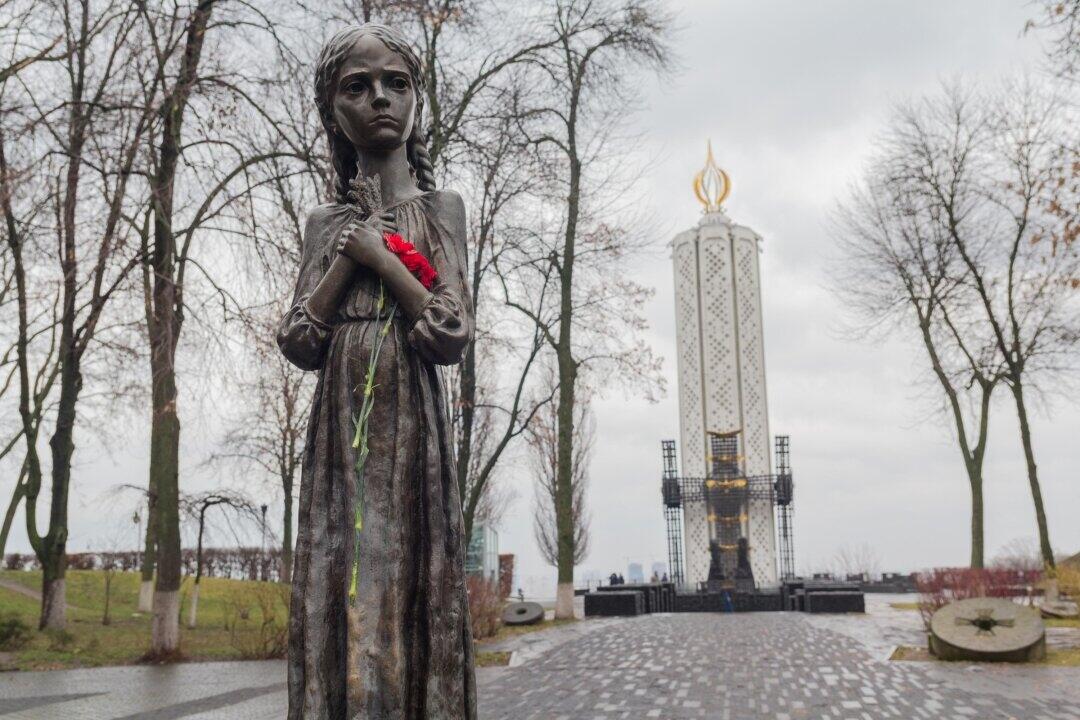
The Holodomor (meaning death by hunger) was a man-made famine in Soviet Ukraine in 1932-1933 that killed millions of people, primarily Ukrainian peasants. It was part of a wider Soviet famine (roughly 1930-1934) that also affected parts of Russia and Kazakhstan, but the Ukrainian famine was intensified by specific policies directed at Ukraine.
Under Joseph Stalin, the Soviet leadership forcibly collectivized agriculture starting in the late 1920s. Peasants were compelled to join collective farms, "kulaks" (better-off farmers). Resisters were deported or repressed. Whole villages were blacklisted and their grain confiscated. An internal passport system and border controls were created that prevented peasants from leaving famine areas.
Mortality was hideous, peaking in the spring and summer of 1933. Today we have all the evidence of widespread starvation, mass deaths, and cases of cannibalism. All told, as many as 5 million died. It was a genocide.
What is especially remarkable about this historical fact is that no one in the West knew anything about it while it was happening. U.S. newspapers had reporters on the ground in Russia but they consistently wrote stories that either ignored or debunked the claims of famine.
New York Times journalist Walter Duranty, the Moscow bureau chief from 1922 to 1936, had won a Puli