In the past 20 years, the "transitional republic" of Haiti has received approximately $10.5 billion in US aid, but when one examines the state of the country today, it's hard to tell if they received a dime. One problem is that for most of that time US funding has been handled through intermediaries such as UN agencies and NGOs, and accusations of embezzlement abound.
Suspicions also extend to US bureaucracy, including USAID which was accused of facilitating kickbacks special favors while pretending to investigate the fraud. Not to mention the possible "pay to play" pipeline allegedly created by the Clinton Foundation.
How much US taxpayer money did Haiti ultimately receive? It's impossible to say, but it would appear that certain political interests (mostly Democrats and NGOs) use these failing nations as a humanitarian foil so they can steal as much money as possible. The best way to handle the problem would be to cut off such programs completely.
The country of Haiti is not the responsibility of the US.
The same goes for Haitian citizens seeking access to the US economy through refugee status and Temporary Protection Status (TPS). Now that the Trump Administration and the Supreme Court have ended TPS for Haitians (some of these people have been in the US well beyond their intended stay), the question is, where do they go?
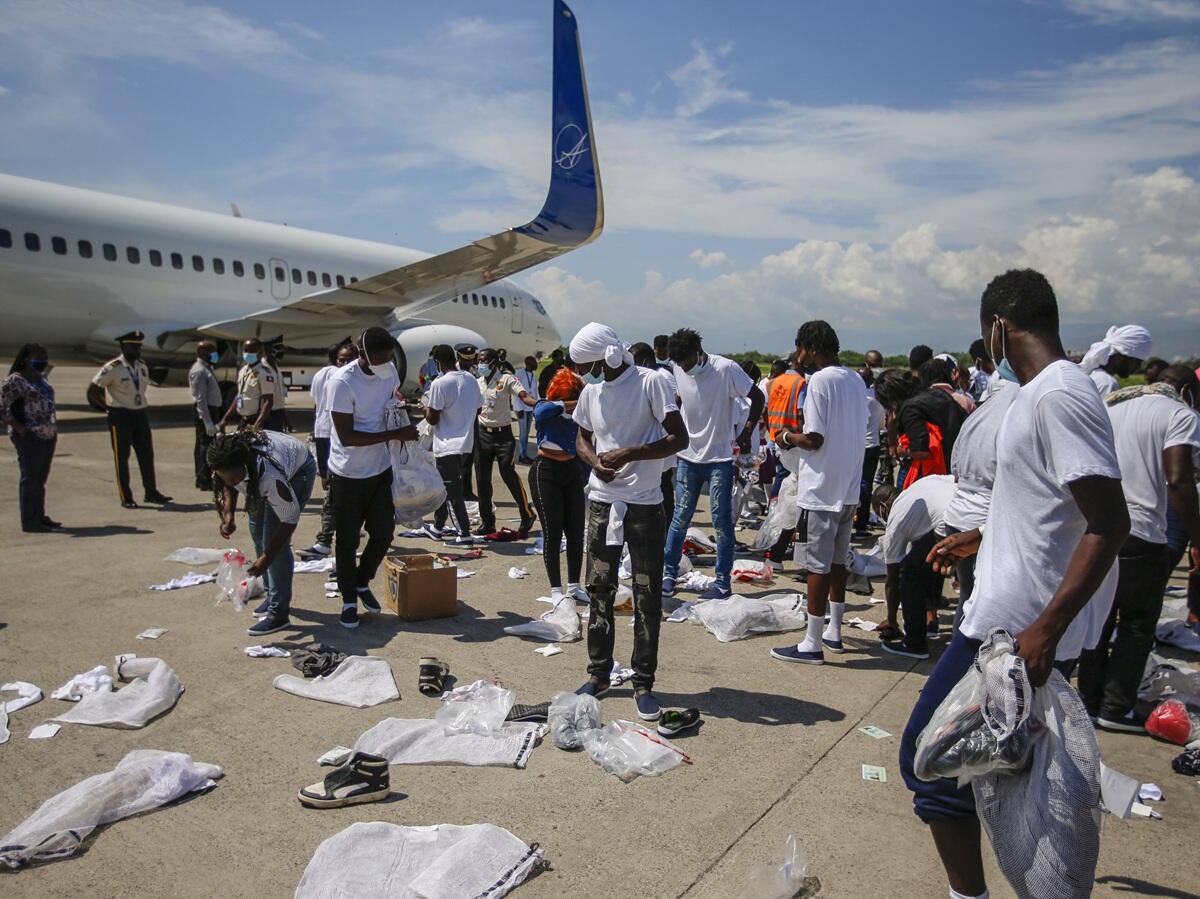
International NGO's and Haitian officials are, of course, complaining that the nation cannot handle the influx of deported arrivals. They are already struggling with the minimal number of people sent to them so far.
Allie Pasieka, an humanitarian aid worker and spokesperson for the International Rescue Committee (IRC), currently based in Port-au-Prince, <