The world's energy markets and diplomatic corridors are on alert after US President Donald Trump issued one of his most forceful warnings yet to Iran. In a conflict that has now dragged into its second week, Trump said any attempt to halt the flow of oil through theStrait of Hormuzwould trigger a response '20 times harder' than what Iran has already faced.
His remarks come amid sharp swings in global oil prices and growing concerns about a prolonged disruption of global oil shipping through this vital passage. The warning underscores how pivotal the Hormuz route has become in the broader US warning against further escalation by Tehran.
TheStrait of Hormuzis a narrow waterway between Iran and Oman that connects the Persian Gulf to the Gulf of Oman. It's not just another shipping lane—roughly one‑fifth of the world's crude oil and liquefied natural gas moves through it each day.
That means any oil flow disruption here doesn't just affect Middle Eastern producers; it jolts markets from Tokyo to London to New York. A closure or effective military blockade would send oil prices dramatically higher, stoking inflation and reverberating through global supply chains.
Already, prices have been volatile: surging above $110 (£81.79) per barrel before retreating as markets reacted to Trump's dual messaging about the conflict's trajectory.
Speaking to the press on March 9 from Florida,Trump made clear that the United States would respond with overwhelming forceif Iran moves to stop oil shipments through the Hormuz corridor. In a post on his social platform, Trump said that if Tehran "does anything that stops the flow of oil within the Strait of Hormuz, they will be hit by the United States of America twenty times harder than they have been hit thus far."
The president's language—echoing past threats of 'death, fire, and fury'—served as both a military response/threat and a strategic signal to allies and adversaries alike that Washington sees the uninterrupted flow of oil as essential.
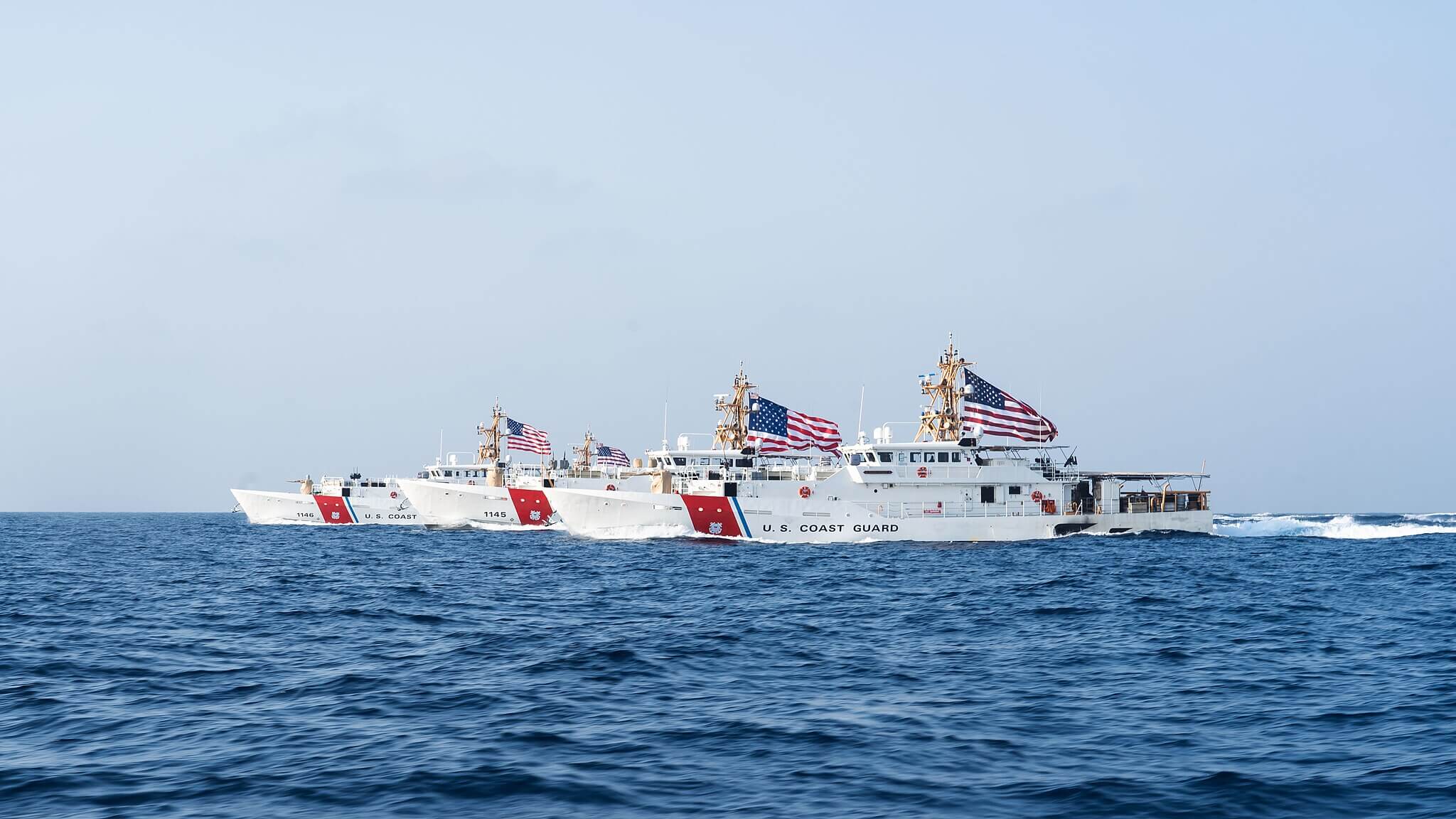
Trump also suggested the US might take extraordinary measures to secure the strait, including the possibility of increased naval escorts for commercial vessels. While experts say the US cannot legally 'take over' the strait without consent from neighboring states like Iran and Oman, the idea reflects just how high the stakes have become.
JUST IN: 🇺🇸🇮🇷 US President Trump warns Iran will be hit "TWENTY TIMES HARDER" if they stop oil flow in Strait of Hormuz.pic.twitter.com/uP1K5zG4oF
Iran has not signaled any intention to back down. Senior officials with the Islamic Revolutionary Guard Corps (IRGC) have effectively declared the Strait of Hormuz closed, threatening to attack ships attempting to transit the area. These moves have compounded fears of a global oil supply shock.
Source: International Business Times UK
