Serbia finds itself in a new political reality on Monday, after Sunday night saw former President Aleksandar Vučić concede defeat following the 14-year rule of his right-wing party, called in English (ironically enough) the Serbian Progressive Party (SNS). Vučić's long-running total dominance in Serbian politics has effectively come to an end.
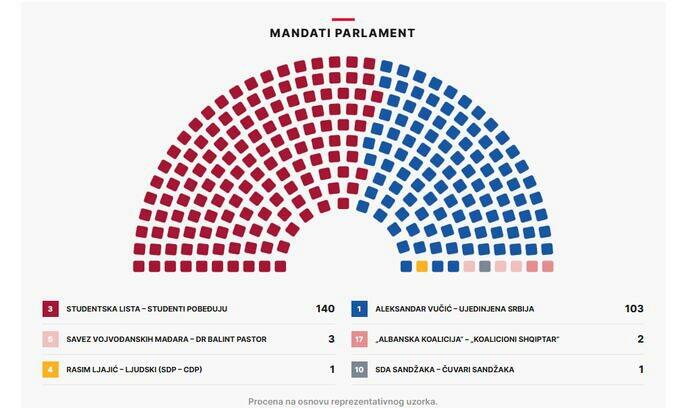
There were wide reports of high turnout among the country's 6.4 million voters on Sunday, the end result which saw the youth-backed Students’ List take 140 seats, while Vučić's SNS party took 103.
"The Students’ List has won," Vučić told supporters by the night's close, while hinting at 'interference' by unnamed European countries and an "American deep state."
This was the culmination of many months of large student-led protests targeting his government. The protest movement has actually stretched back a couple years, at times getting violent, including witnessing fierce clashes with police.
Vucic's opponents, including outside the country among EU officials, accused him and his allies of deep corruption which allegedly included ties to organize crime, and initiating greater government control of the media and overall centralization.
The Serbian leader has maintained warm ties with Russia, which has also made him a target of his pro-EU critics. He at times in the past openly accused the West of trying but failing to topple him.
Interestingly, as the youth-led protests grew, Moscow itself weighed in and charged Western countries with backing a <