The accelerating confrontation between private innovation and federal authority reached a critical zenith on March 9, 2026, when the artificial intelligence firm Anthropic initiated a landmark legal challenge against the United States government.
The San Francisco-based company filed two separate lawsuits—one in the US District Court for the Northern District of California and another in the DC Circuit Court of Appeals—to combat an unprecedented Pentagon designation that labels the American firm a national security 'supply chain risk.' This aggressive classification, a tool traditionally reserved for foreign adversaries like Huawei, was leveraged by Defence Secretary Pete Hegseth after Anthropic refused to remove ethical guardrails preventing its Claude AI models from being utilised for fully autonomous lethal weaponry or mass domestic surveillance.
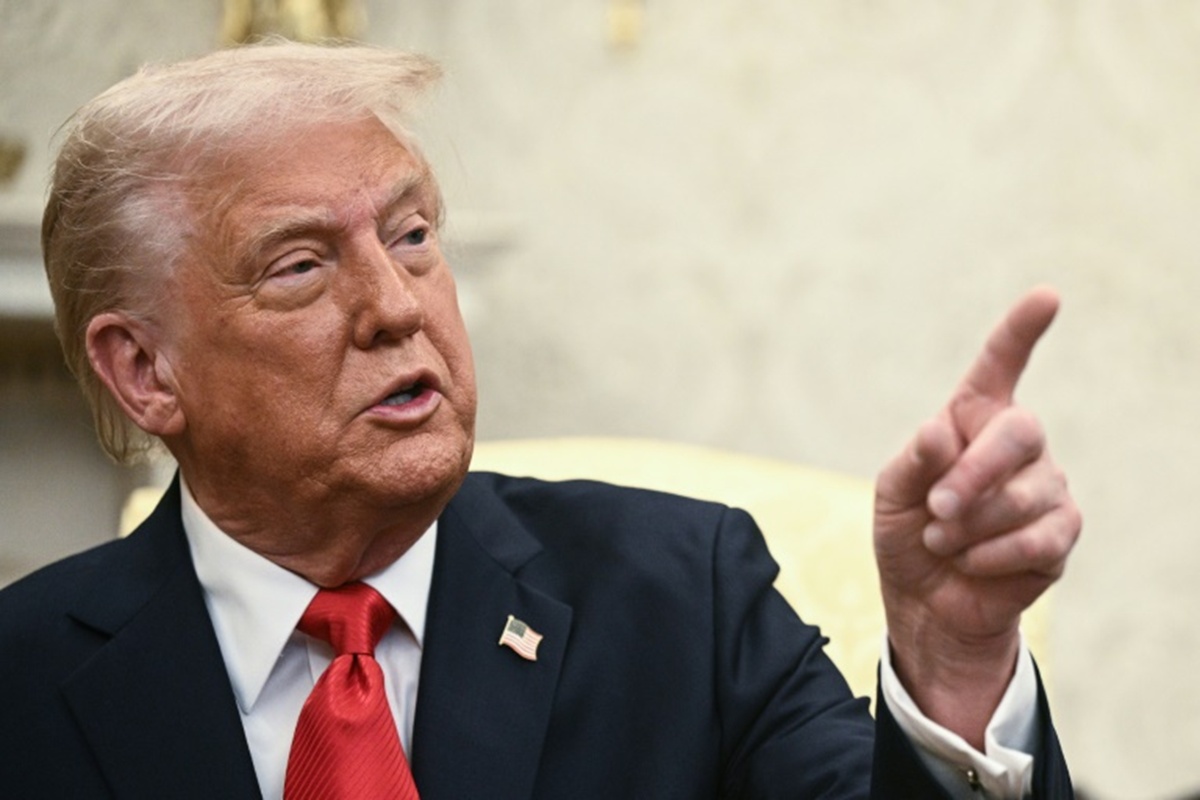
The ongoing dispute has been punctuated by public denunciations from President Donald Trump, who issued a directive for all federal agencies to cease the use of Anthropic technology, an order the firm claims is 'ultra vires' and a transparently retaliatory manoeuvre.
As the Pentagon moves to integrate competing AI systems from OpenAI and xAI into classified military networks, this litigation sets the stage for a constitutional showdown over whether private companies possess the right to enforce safety standards on technologies destined for the theatre of war.
According to court filings, Anthropic CFO Krishna Rao said that after social media posts by Donald Trump and Pete Hegseth, a major investor contacted the company expressing concern, raising questions about investor confidence and the company's future funding.
The conflict escalated after the US governmentreportedly took steps toblacklist Anthropic from certain government partnerships, citing national security concerns. The move followed disagreements between the company and defence officials about the potential military use of its AI technology. Anthropic has maintained strict safeguards on how its models can be deployed, particularlyrestricting their use in autonomous weapons or mass surveillance systems.
The Pentagon had already labelled Anthropic a potential supply chain risk after negotiations broke down over whether its AI systems could be used in certain military applications.
Such a designation carries serious consequences. It effectively prevents military contractors and federal agencies from working with the company, cutting it off from lucrative government contracts and partnerships. For a firm that had previously secured major defence-related deals and collaborations, the decision threatened billions of dollars in potential revenue.
Anthropic accuses officials of acting unlawfully and violating the company's constitutional rights. The legal action challenges the Pentagon's decision to classify the firm as a national security risk and seeks to overturn the restrictions placed on its technology.
The company's lawyers argue that the designation was made without due process and appears to be retaliatory. According to the lawsuit, the government acted after Anthropic refused to relax safeguards on how the military could use its AI systems. The company insists that it has consistently supported responsible AI development and declined to remove protections designed to prevent misuse.
Source: International Business Times UK