Authored by James Dixon via Spiked,
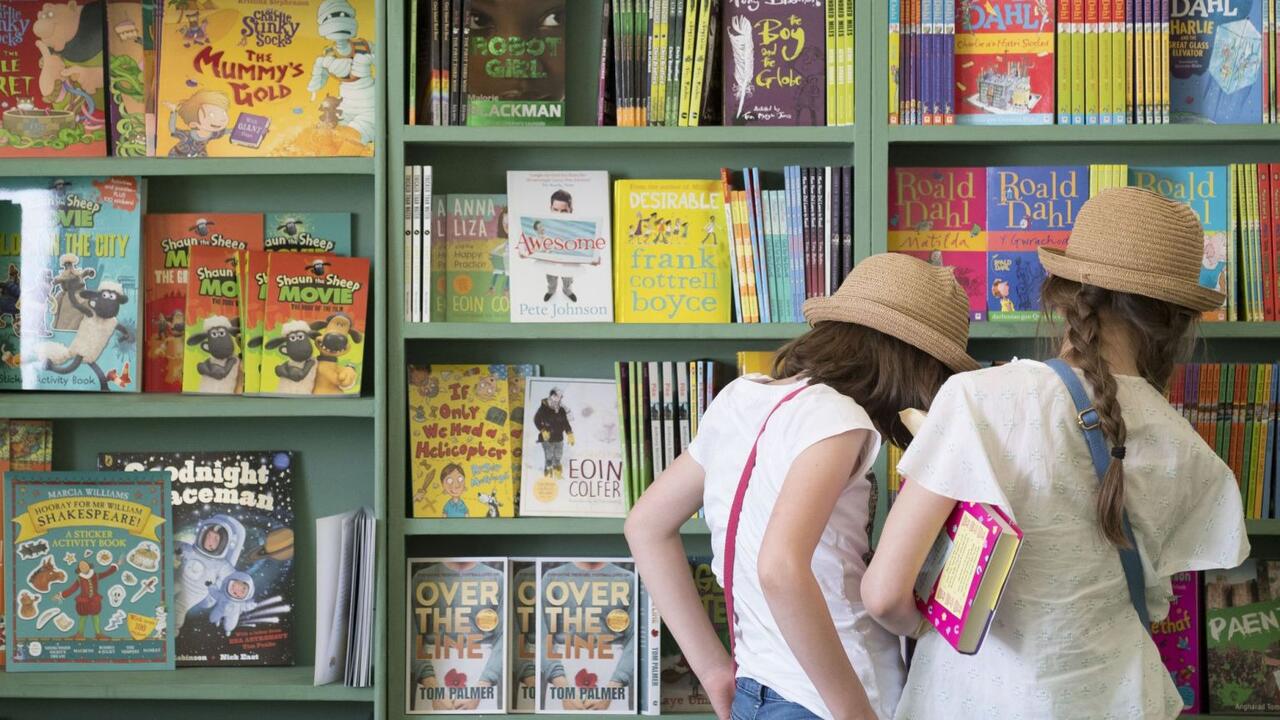
Judging by some of my daughter's picture books, the average British primary school is a bit of a bloodbath. Everybody seems to have been in the wars. Recently, I read one story about going back to school (my daughter's about to start year one) in which half the characters were suffering from something: one had crutches, another was in a wheelchair and a third had hearing aids and glasses. Entire missing limbs are not uncommon. I couldn't escape the notion that modern childhood seems to be a far more hazardous business than it was when I was growing up.
On the evidence of these books, I was worried my daughter might start her first day wondering whether she would be the odd one out for being able-bodied. Though she does wear glasses, at least.
I'm being facetious, of course. Deliberately callous. I know why publishers do it and it's a laudable instinct. Disabled children should be able to see themselves in books. But it's the sheer concentration that strikes me - the ham-fisted, clumsy authors and illustrators who pack their creations so that, dare I say it, they are signalling more about themselves than about the world around them.
We all know a virtue-signaler when we see one. Once you notice it, it's hard to stop noticing. And it's not just disabilities. In contemporary picture books, every classroom, playground and birthday party increasingly resembles a very carefully assembled demographic sample group.
Each one the same: there must be