Authored by Milan Adams via Preppgroup,
At a glance
-
Existing-home sales have run roughly a third below their pre-2020 level for three years, while the median price has repeatedly set records - a combination that ordinary market logic does not predict.
-
A large majority of outstanding mortgages carry rates below 5 percent. Selling means trading a cheap loan for an expensive one, and the households with the strongest finances are the least willing to make that trade.
-
The housing shortage is a permission problem as much as a land problem. Reforms that legalize construction take three to five years to produce occupied houses, which is longer than most political cycles.
-
Insurance premiums, climate exposure and condominium assessments now shape the monthly cost of owning a home at least as much as the purchase price does - and they vary enormously from one ZIP code to the next.
Introduction
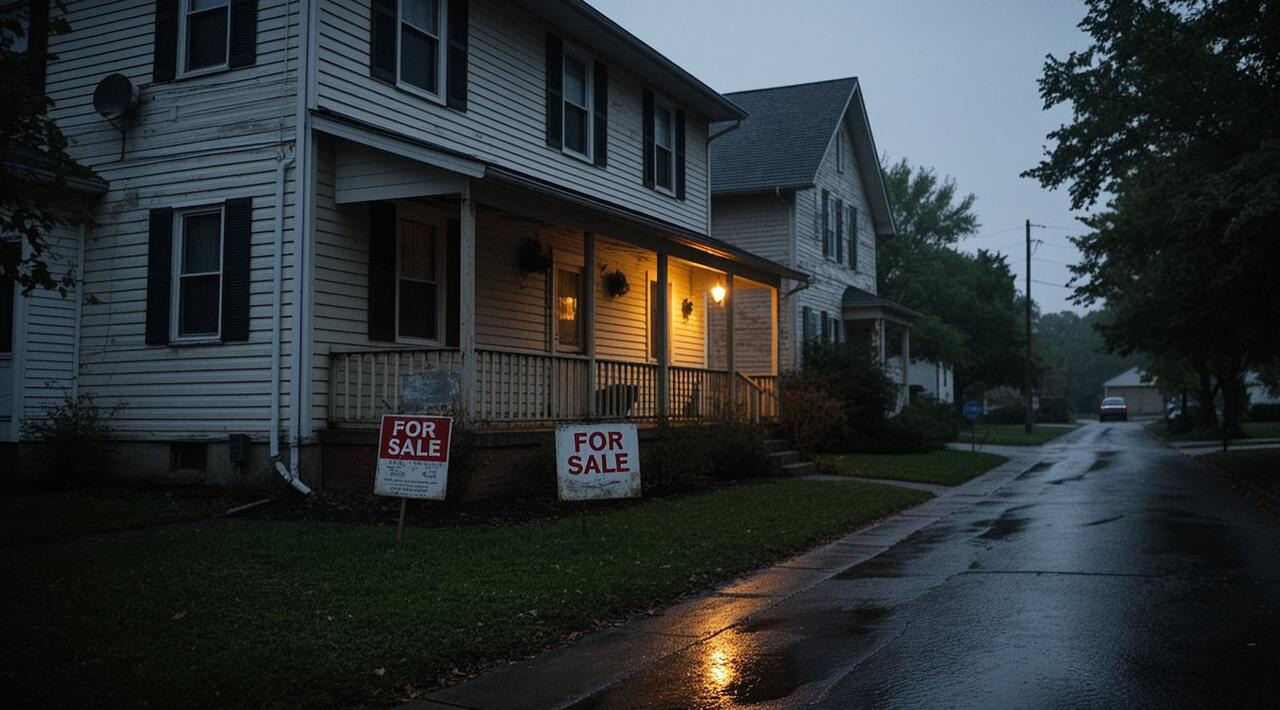
American housing has spent three years doing the strangest thing a market can do: nothing.
Not collapsing, not recovering, not clearing. Sales fell by roughly a third from their pandemic peak and then stayed there, year after year, while prices kept grinding upward and the number of homes changing hands in a twelve-month window dropped to a level last seen in the mid-1990s, when the country had some seventy million fewer people living in it. Read only the median price and you would conclude that little has happened. Try to buy or sell a house and you would know better.
<