Authored by Larry Johnson via Sonar21.com
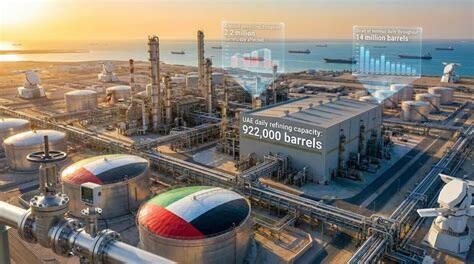
Good news, everyone. The war is over, at least in the United Arab Emirates. That is the only conclusion you could draw from this month’s headlines. On October 14, Bloomberg reported the International Energy Agency’s estimate that UAE oil supply hit a record 5.3 million barrels a day in September. Fujairah, the port the Emirates built so they would never have to worry about the Strait of Hormuz, loaded a record 2.62 million barrels a day. The giant Ruwais refinery was declared back at full capacity at the end of August. Pop the (non-alcoholic) champagne.
Then Karl Miller sent me his October 22 assessment of the UAE’s oil and gas system, and spoiled the party. The Emirates have indeed recovered their crude exports. What they have not recovered is everything else. The gas business is still limping, the petrochemical plants are starving for feedstock, and the fuel reserves that are supposed to carry the country through the next attack have been drained to about a third of their prewar level. The UAE is setting production records with its gas light on.
The safe haven that wasn't
For years the UAE sold itself as the Switzerland of the Gulf: stable, diversified, insulated from the region’s chaos, a place where hedge funds and oil majors could sleep soundly. Then came 2026. According to the U.S. Energy Information Administration, UAE crude and condensate production fell from about 4.0 million barrels a day at the start of the year to an average of 2.4 million in March through May. A 40 percent collapse. Switzerland, it turns ou