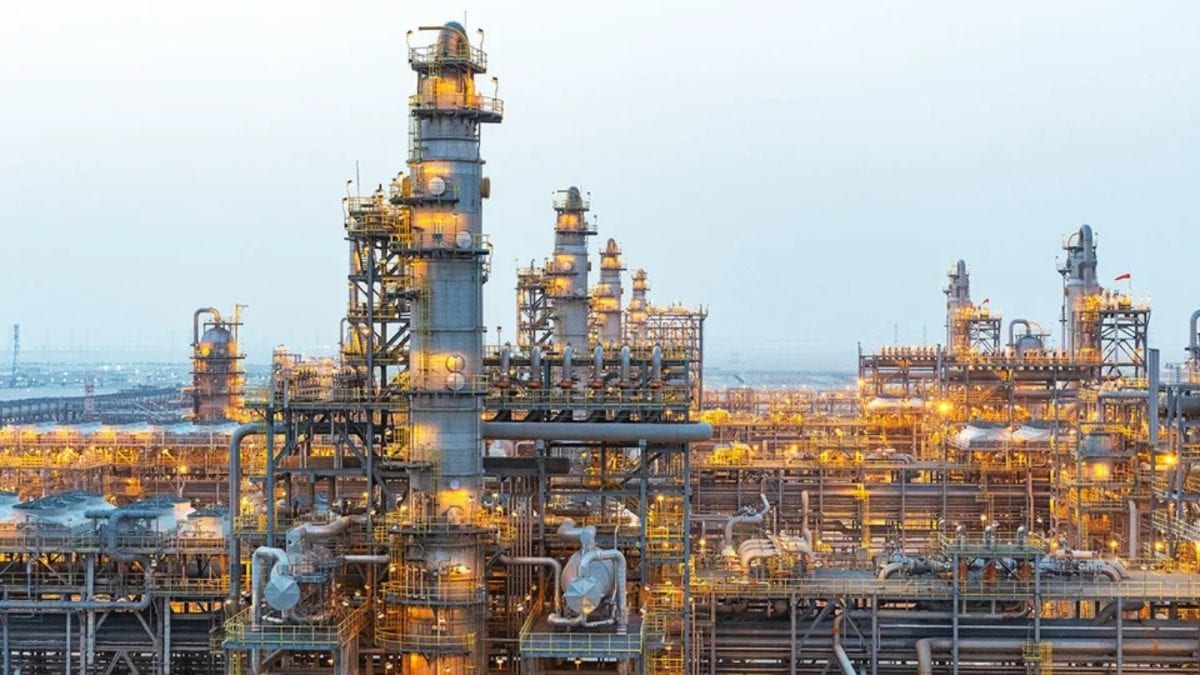
The world’s biggest oil companies and state energy giants sounded a stark alarm on Tuesday over the growing crisis in the Gulf, warning that the near-total closure of the Strait of Hormuz by Iran, triggered by the ongoing US-Israel-Iran war, could bring catastrophic consequences for the global economy, as producers from Saudi Arabia to Bahrain scramble to cut output and invoke force majeure.
Aramco: ‘By Far the Biggest Crisis’
Saudi Aramco CEO Amin Nasser told reporters on an earnings call that the current disruption was “by far the biggest crisis the region’s oil and gas industry has faced."Reutersreported him as saying: “There would be catastrophic consequences for the world’s oil markets and the longer the disruption goes on… the more drastic the consequences for the global economy."
Nasser said global oil inventories are now at a five-year low and warned of “faster drawdowns" the longer the strait stays shut. Roughly 20% of the world’s daily oil supply normally flows through Hormuz. Aramco is currently not exporting any oil from the Gulf, instead rerouting crude through its East-West pipeline to the Red Sea port of Yanbu, which is expected to hit full capacity of 7 million barrels per day within days,Reutersnoted. The crisis has already hit aviation, agriculture and the automotive sector, he added.
Qatar Warns of $150 Oil and Economic Collapse
Qatar’s energy minister and QatarEnergy CEO Saad al-Kaabi delivered one of the bluntest warnings yet. Speaking to theFinancial Times, he said: “This will bring down the economies of the world. If this war continues for a few weeks, GDP growth around the world will be impacted. Everybody’s energy price is going to go higher."
Al-Kaabi forecast oil could hit $150 a barrel within two to three weeks and that gas prices could reach $40 per million British thermal units, nearly four times pre-war levels, theFTreported. On proposals to escort ships through the strait, he was direct: “The way that we are seeing the attacks, bringing ships into the strait… it’s too dangerous. It’s too close to the shore to bring ships in," he told theFT.
QatarEnergy declared force majeure after an Iranian drone attack struck the Ras Laffan LNG export facility, the world’s largest of its kind, forcing it to shut for the first time in its three decades of operation. Qatar accounts for around 19% of global LNG supply, perFortune.
Kuwait and Bahrain Follow with Force Majeure
Kuwait Petroleum Corporation announced it had implemented “a precautionary reduction in crude oil production and refining throughput" due to “Iranian threats against safe passage of ships through the Strait of Hormuz." Kuwait is OPEC’s fifth-largest producer at around 2.6 million barrels per day,CNBCreported.
Source: World News in news18.com, World Latest News, World News