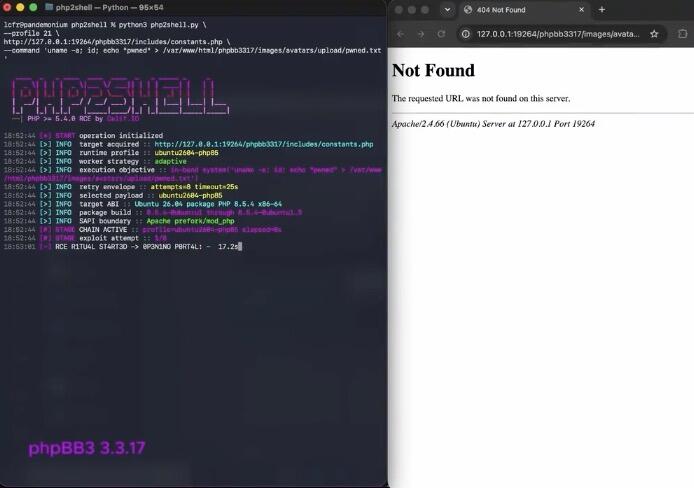
Artificial intelligence has uncovered a potentially catastrophic security flaw in one of the internet’s most widely used technologies, setting off a scramble among cybersecurity researchers, software developers, and website operators to prevent hackers from exploiting the discovery, according to the Wall Street Journal.
The vulnerability affects PHP, a programming technology that underpins as much as 70% of the world’s websites. Researchers discovered that weaknesses in the way PHP handles computer memory could allow attackers to execute malicious code on vulnerable servers, potentially gaining control of websites, accessing sensitive information, and compromising visitors.
What makes the discovery particularly troubling is that the same AI technology used to identify the problem could also make it substantially easier for criminals to exploit it.
WSJ writes that the flaw, dubbed PHP2Shell, was uncovered in August by Ryan Austin of cybersecurity firm Calif, who used OpenAI’s GPT-5.6 Sol to examine PHP’s underlying code. Although the weaknesses had been present for years, researchers had previously considered them extraordinarily difficult to exploit. With AI assistance, however, Austin demonstrated that some servers could be compromised in seconds, while more complicated systems could be breached over several hours.
The findings prompted