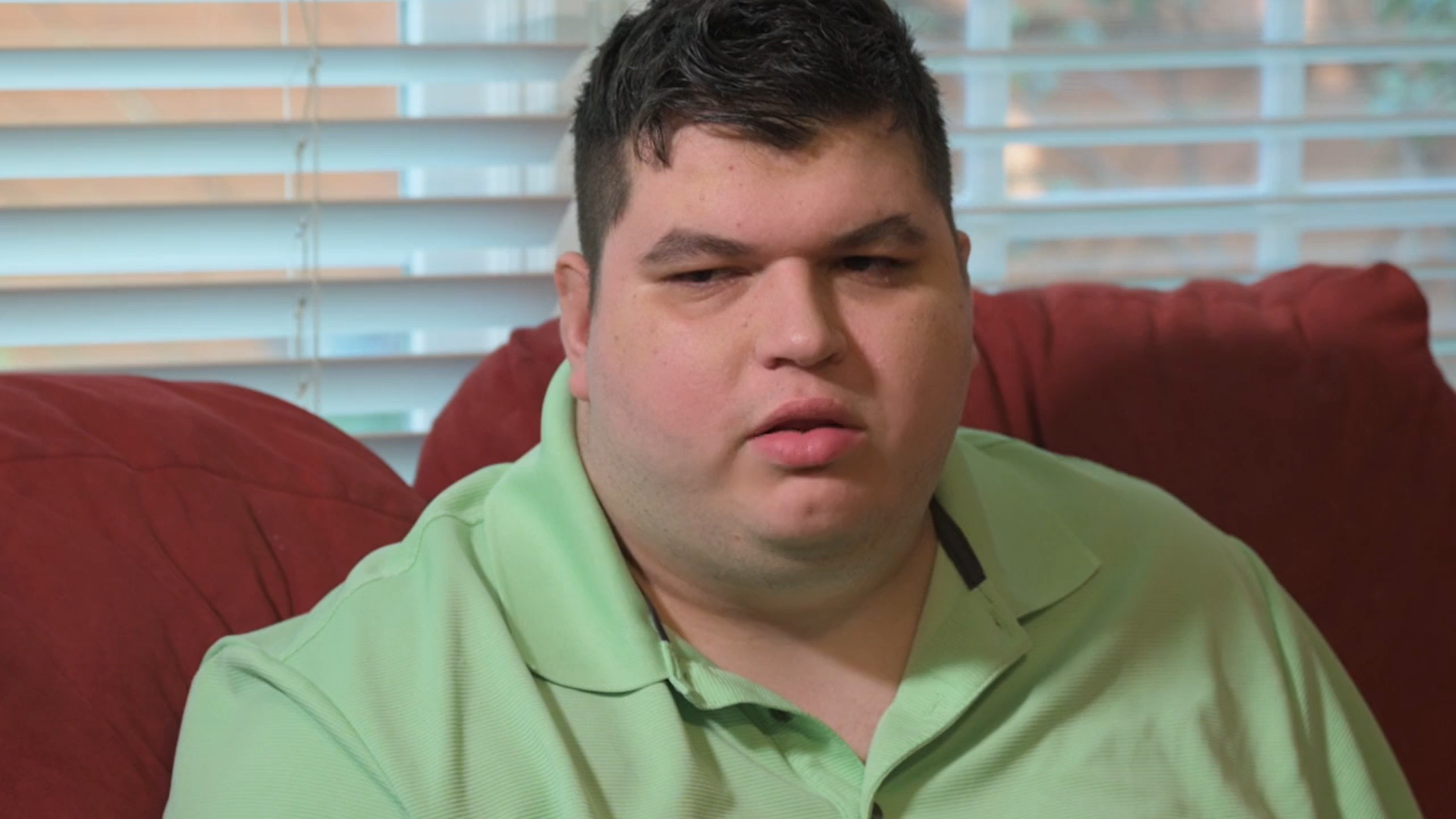
The tragic death of Alex LaMorie, a 25-year-old autistic advocate who was shot and killed by Howard County police early on Sunday, 1 March 2026, has ignited a fierce national debate over the safety of vulnerable individuals during mental health crises.
LaMorie, a bright and aspiring IT student who had only moved into the Patuxent Commons inclusive housing complex in Columbia, Maryland, three days prior, had called 911 himself to report that he was in a suicidal crisis and needed help.
Instead of the supportive intervention his family expected for a young man who was 'dedicated to keeping himself healthy and stable,' the encounter ended in a fatal shooting outside his own front door.
Witnesses reported hearing six shots as three officers opened fire on the young man in the parking lot of the $44 million facility, which was specifically designed to be a safe haven for adults with disabilities.
The incident has left the disability community reeling and his family demanding a radical overhaul of how first responders interact with neurodivergent individuals in distress.
For Alex LaMorie's mother, Dr Jill Harrington, the loss is not just a personal tragedy but a systematic 'betrayal-based moral injury.' Jill says he was loving and tended to use his voice to support others, either on a podcast or in a community project.
LaMorie, who grew up in a military-veteran family and was the great-grandson of a retired New York City policeman, was well aware of safety protocols and had a personal safety plan in place for moments of crisis.
His family insists that he called for a wellness check, expecting de-escalation and medical support. Instead, theMaryland Attorney General's Independent Investigations Divisionreported that when officers Joel Rodriguez, Cody Bostic, and Joseph Riebau arrived at the scene, they encountered LaMorie in the parking lot holding a knife.
Despite having crisis intervention training, the officers fired their weapons when LaMorie allegedly failed to drop the weapon and continued to approach them. Jill, a prominent grief counsellor, stated that while officers may have shouted commands, there is no way to know if Alex, in the midst of a sensory and mental health overload, was even able to process their instructions.
A close family friend, Ami Neiberger, said Alex was looking forward to his future and was willing to start a new chapter. The Patuxent Commons community was supposed to be a safe haven in Maryland. It was an inclusive place, with safety at its heart. His parents felt that this would provide him with freedom and closeness to people he loves.
Source: International Business Times UK