Geopolitical tensions are complicating the global transition away from fossil fuels, as governments clash over securingenergy suppliesand access to critical resources. Amid all this, 2026 is well on track to become one of the hottest years, with global warming and climate impacts already upending lives and livelihoods.
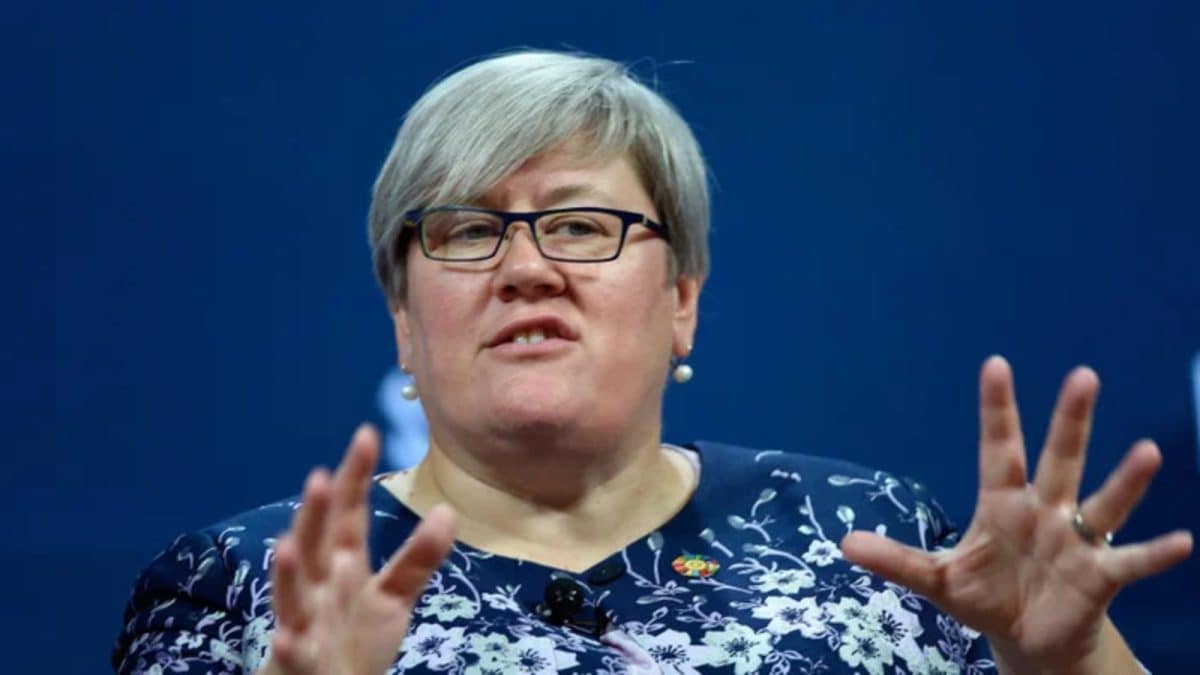
CNN-News18 spoke with the United Kingdom’s Special Representative for Climate, Rachel Kyte, about what these developments mean forglobal climate cooperation, the future of energy transition away from fossil fuels and the UK’s response to meeting its climate commitments.
With the war in West Asia, rising geopolitical tensions, and the US’s stepping back from its climate obligations, is climate cooperation at real risk? How is the UK responding?
These geopolitical tensions reaffirm the sort of correctness of our decision to become energy secure by investing in our own renewable energy so we become less vulnerable to international gas and oil markets and the price spikes. We learnt our lesson after the Russian invasion of Ukraine. So, steering away from a fossil fuel-based economy is absolutely fundamental to our national and economic security and our climate ambition. The foundation of our cooperation with India following the strategic partnership last year and following the Free Trade Agreement (FTA) is the technical cooperation on renewable energy to allow India to make its transition quickly and smoothly.
In terms of climate diplomacy, the United States has decided to leave the Paris Agreement and the underlying convention, but everybody else is still in it, and everybody else understands the need for cooperation around energy transition, and that has to continue notwithstanding conflicts and tensions around the world. So, as I always say, science didn’t change, and economics didn’t change; politics remain difficult, and there is more tension now than we have seen in recent memory, so we have to find a way to continue to work together.
There are conflicting studies on the UK’s climate progress; how do you assess it? Is it on track to meet its emissions targets?
It is sort of fast and furious. The new government was elected in July 2024 and put mission control in place to ensure that our grid can absorb all the new energy we are building. We want to build clean energy as quickly as possible, giving us energy security. There has been a lot of reform to the regulatory framework and administrative rules. We had a successful auction for offshore wind and changed the policy around rooftop solar, inspired in large part by India’s ambition for rooftop solar. We have now changed the rules to allow for onshore wind and just opened our first geothermal plant last week to connect up to the grid.
We are moving ahead with our nuclear capability and investing in Carbon Capture Utilisation and Storage (CCUS) at the sites of heavy industrial activities because it is going to be an essential part of a very small amount of gas that we will continue to use in our system. At the same time, we are working to keep energy bills affordable for people as we invest in upgrading the grid and its flexibility.
Let’s talk about climate finance—developed countries made several pledges at the last climate summit, but is the money actually reaching the developing countries?
Clearly, there are a number of countries, including us, that have diverted more funding into building up our defence capability in order to fulfil our obligations in a world that is experiencing war and conflict at a level we haven’t seen for many years. What we are working to do then is to leverage our public climate finance to attract other forms of finance, like private funding. We are working with other funding partners and using new instruments like guarantees to bring in more investment. This is at the heart of another area of cooperation between India and the UK, where we have a climate finance initiative in which we’re trying to make sure that India attracts more long-term investors into renewable energy in particular, so the pension funds and insurers who act as investors and other long-term finance see India and India’s green growth story as an attractive place for them to invest.
Source: World News in news18.com, World Latest News, World News
