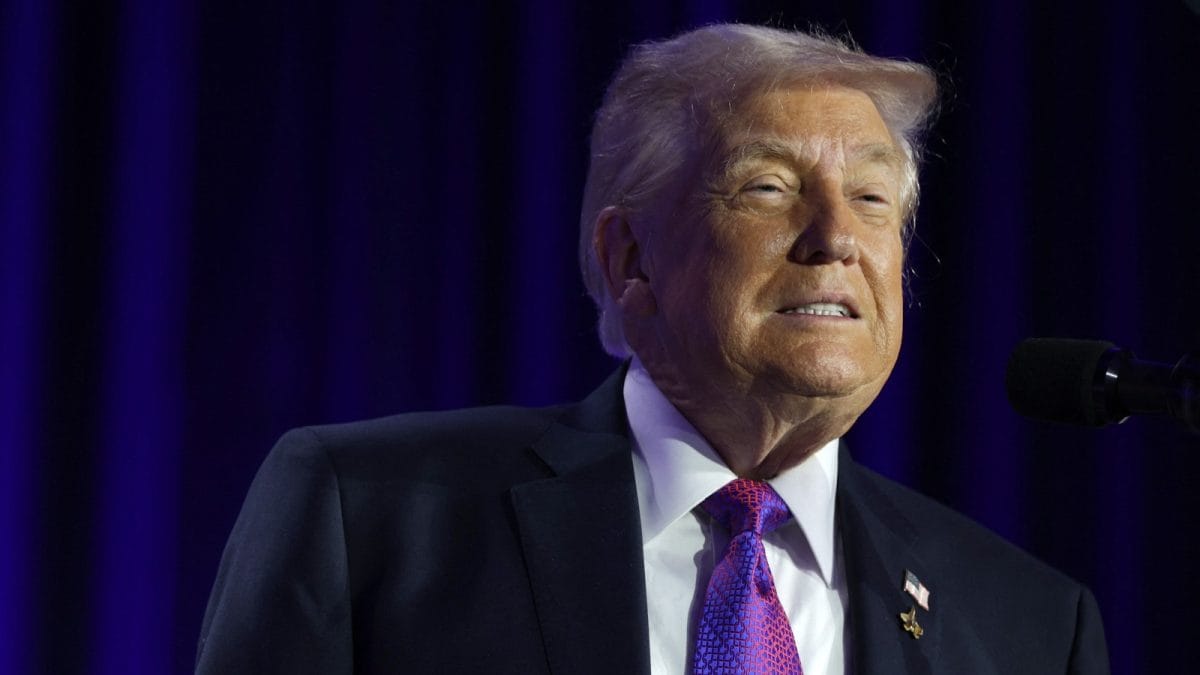
The recent investment by the sons of US President Donald Trump in a drone-technology venture has revived a long-running discussion in the United States about the intersection of politics and private business in the Trump family. The deal, involving Donald Trump Jr and Eric Trump, comes at a time when unmanned aerial systems are becoming central to modern defence strategies and government spending.
While Trump’s sons are private businessmen and do not hold government office, the investment has drawn attention because it involves an industry closely tied to federal policy and defence procurement. The deal has also prompted renewed interest in earlier instances in which members of the Trump family were associated with business ventures while simultaneously playing roles in or around government.
Here is a look at some of the major instances that have been cited in public discussions over the years.
When Donald Trump entered the White House in 2017, he retained ownership of the Trump Organization, the family’s global real-estate and hospitality business. Instead of selling the company, he transferred management responsibilities to his sons, Donald Trump Jr and Eric Trump.
The Trump Organization includes hotels, golf resorts, licensing agreements and property developments in several countries. Because the business continued to operate while Trump served as president, it attracted attention from ethics experts and political observers who examined whether government decisions could overlap with private commercial interests.
The arrangement remained a topic of debate throughout Trump’s presidency.
Another frequently discussed issue involved events and stays by foreign officials, diplomats and corporate groups at Trump-owned hotels and resorts. One property that drew particular attention was the Trump International Hotel Washington, DC.
Diplomatic delegations and lobbyists were reported to have held events or stayed at the hotel during Trump’s time in office. Some legal challenges argued that such spending could raise constitutional questions related to the “emoluments clause," which addresses benefits received from foreign governments. Courts eventually dismissed the lawsuits after Trump left the presidency, but the issue remained widely discussed in legal and political circles.
Trump’s daughter Ivanka Trump served as a senior adviser in the White House. Before entering government, she had operated a fashion and lifestyle brand.
During her time in the administration, the company received several trademarks in China. The timing of the approvals drew attention because they came during a period of trade negotiations between the United States and China. Ivanka Trump later closed her fashion business, stating that she wanted to focus on her public role.
Source: World News in news18.com, World Latest News, World News