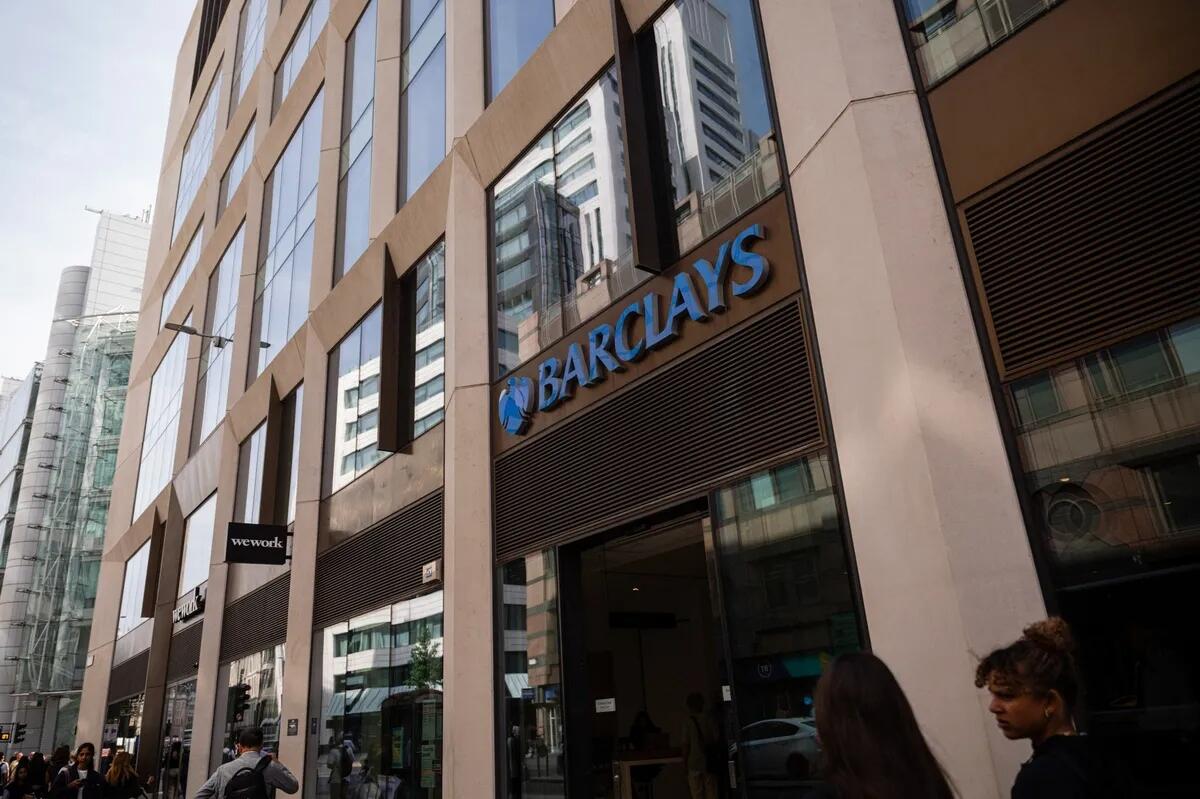
When a bank runs out of room to lend to hedge funds piling into the most crowded trade on the planet, there are two options: stop lending, or find more room. Barclays found more room...
According to a Bloomberg exclusive published Tuesday, Barclays (BARC) executives wanted extra capacity to lend more aggressively to hedge fund clients as Asian AI stocks went vertical earlier this year. The fix: the bank's macro rates traders ended up lending part of their own capital allocation to the prime financing business through an internal auction. The reason they had to: over the summer Barclays had reached its maximum limits on how much financing it could extend to hedge fund clients in Asia. Bloomberg's verdict: Barclays and its peers are "finding ways to meet demand, despite bumping up against internal constraints."
In other words, the internal risk limits did their job, flagged that the bank had lent enough... and the bank responded by moving the goalposts.
Below we walk through why this matters, why Barclays is hardly alone, and why Goldman's own prime book data shows exactly how the banks "fixed" the problem (hint: more shorts, not fewer longs).
"Disciplined"... Right Up To The Limit
The pitch inside Barclays, per Bloomberg's sources, was simple: allocate more balance sheet to higher-returning businesses like prime brokerage (housed in the global markets unit run by Adeel Khan) given the "huge growth" expected in Asian tech stocks. Rates traders, whose retur