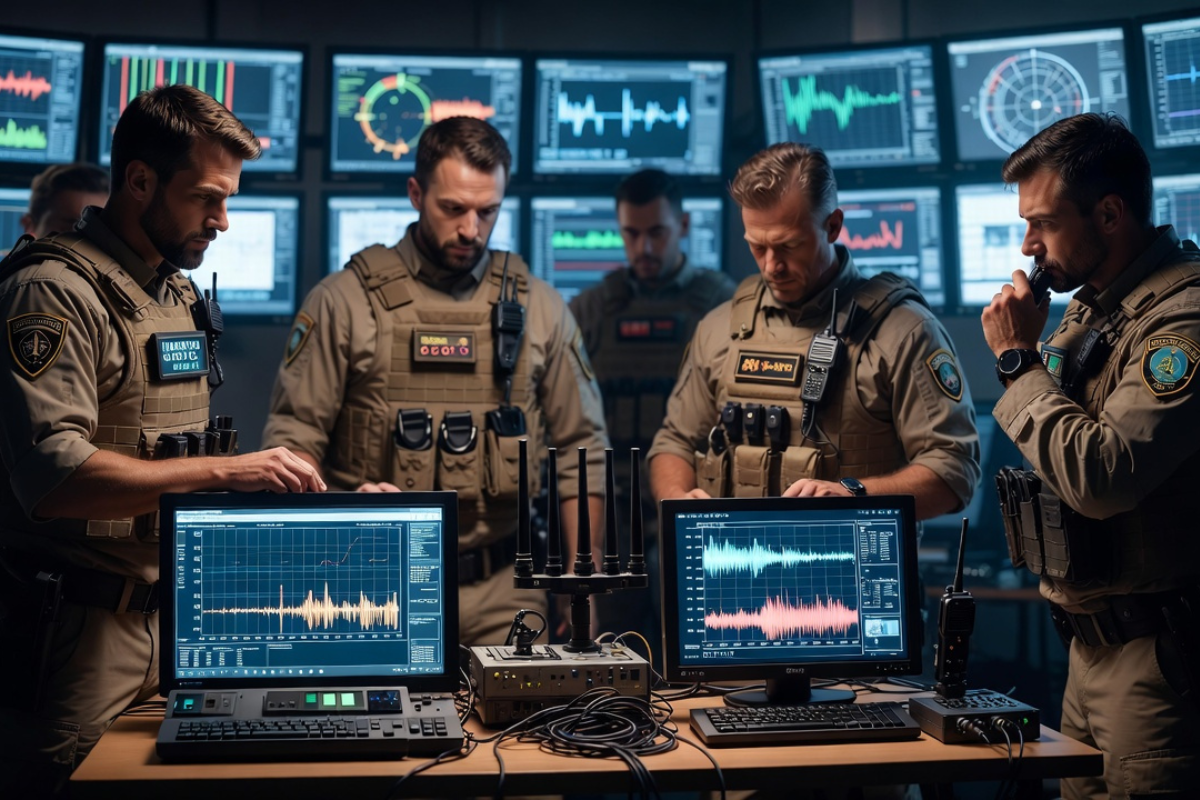
The encrypted message was designed to reach people who were never meant to be found.
According to a federal alert reviewed by ABC News, US intelligence intercepted a transmission 'likely of Iranian origin' relayed internationally shortly after the death of Supreme Leader Ayatollah Ali Khamenei on 28 February.
The encoded broadcast appeared destined for 'clandestine recipients' possessing the encryption key, the kind of message meant to impart instructions to 'covert operatives or sleeper assets' without using the internet or cellular networks.
That last detail matters a lot.
The method mirrors what intelligence veterans call 'numbers stations'. These shortwave radio broadcasts date back to World War I. During the Cold War, the CIA considered such one-way voice link transmissions 'unbreakable' when operatives followed proper tradecraft. The signals bounce off the ionosphere, reach basic radios anywhere on Earth, and leave no metadata trail.
The federal alert warned that 'the sudden appearance of a new station with international rebroadcast characteristics warrants heightened situational awareness.'
Put simply: a transmission hub popped up after Khamenei died, started broadcasting across multiple countries, and US authorities don't know what the messages say.
The term gets thrown around often. Here's what it actually means.
A sleeper cell consists of covert operatives embedded in a target country. They live normal lives. Hold jobs. Pay rent. They maintain no visible connection to handlers and only act when triggered by a specific signal or event.
In 2016, a man from Lebanon told theFBIafter his arrest that he belonged to such a cell. According to The Jerusalem Post, when agents asked under what circumstances he might be activated, he answered plainly: 'If the United States went to war against Iran.'
Source: International Business Times UK
