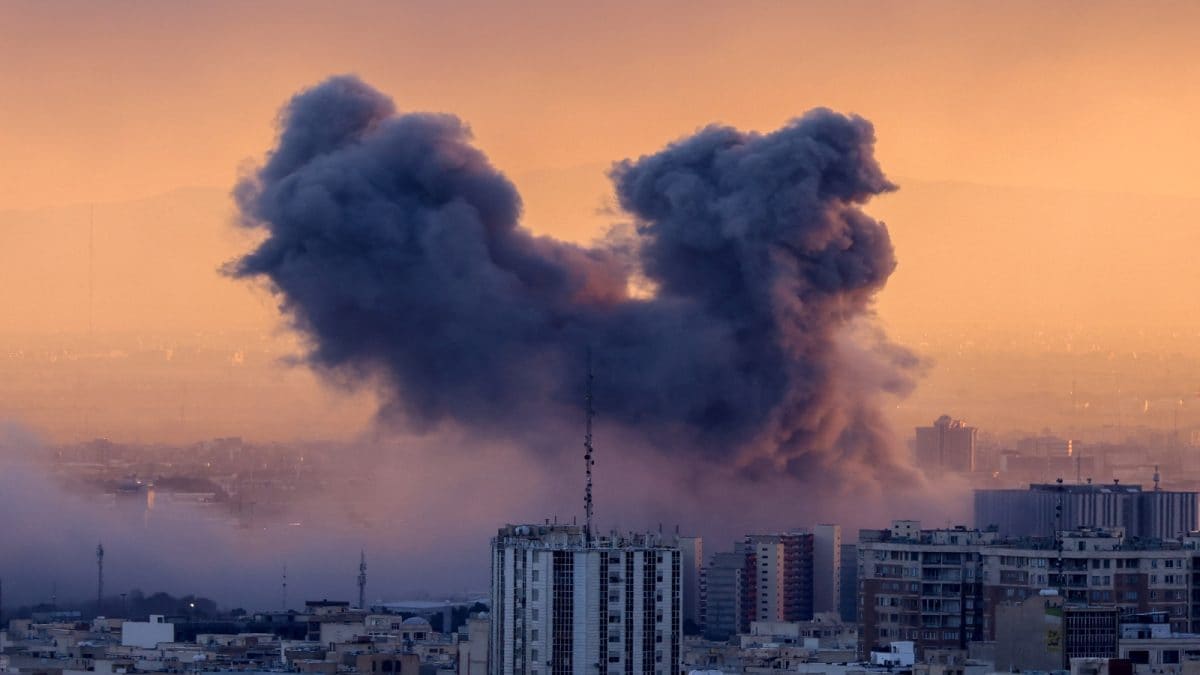
The Pentagon expended $5.6 billion worth of munitions within the first 48 hours of its military assault on Iran, according to three US officials. The figure highlights the growing concern among some on Capitol Hill about how rapidly US forces are depleting America’s advanced weaponry reserves.
According to the Washington Post, the estimate, presented to Congress on Monday, casts doubt on the Trump administration’s dismissive stance towards lawmakers’ worries that the Iran operation is significantly diminishing US military readiness.
Reportedly, the Trump administration also is expected to send Congress a supplemental defense budget request as soon as this week to sustain its campaign, officials said. The budget is expected to face opposition from several Democrats, who attempted to restrain the administration from further military action in Iran.
The Defense Department has “everything it needs to execute any mission at the time and place of the President’s choosing and on any timeline," Sean Parnell, the Pentagon’s chief spokesman, said in response to questions from The Washington Post about the state of US weapons inventories.
While earlier, Donald Trump said that the operation could take more than a month, on Monday, he told CBS News that the war on Iran is “very complete, pretty much over".
The $5.6 billion figure highlights how costly the strikes were before that transition began. The Washington Post had previously reported that the military has fired hundreds of precision weapons since the start of hostilities on February 28, including advanced air defense interceptors and Tomahawk cruise missiles.
The US Central Command stated that more than 5,000 targets have been hit in Iran so far using more than 2,000 munitions.
Mark Cancian, who closely monitors US inventories at the Center for Strategic and International Studies, said the shift away from these longer-range munitions will dramatically lower the price of each strike — from millions of dollars spent on each round fired to less than $100,000, in some cases, the Washington Post reported.
The Pentagon is relocating components of a Terminal High Altitude Area Defense (THAAD) system from South Korea to the Middle East, as stated by two officials. Additionally, the military is utilising its reserve of advanced Patriot interceptors from the Indo-Pacific and other regions to enhance its defense capabilities against Iran’s drone and ballistic missile threats, according to these sources.
One of the officials said the moves were not due to an immediate shortage of weaponry in the Middle East but were rather a precautionary measure. “The more THAADs and Patriots you shoot, the more risk you assume in the Indo-Pacific and in Ukraine," Cancian said.
Source: World News in news18.com, World Latest News, World News
