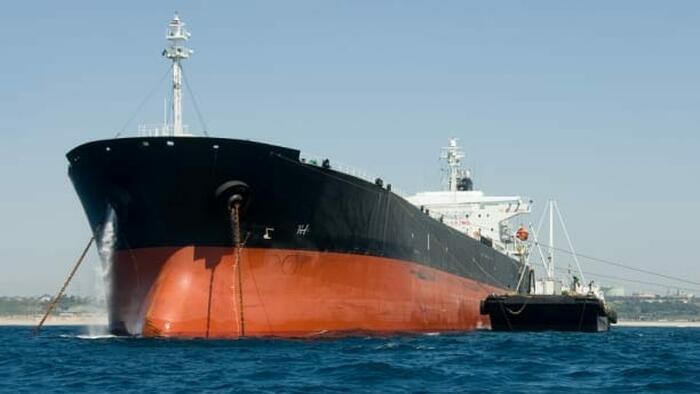
Another big piece of leverage that Washington is holding over Tehran is the potential seizure of Iranian oil tankers. The US intercepting and boarding tankers on the high seas has been a trend related to Venezuela of late, as well as Russia's so-called dark fleet, ratcheting tensions with Moscow.
But President Trump is said to be holding off for now when it comes to the Iranians, as the process of indirect negotiations based in Oman plays out, also as Israel's Netanyahu is received at the White House on Wednesday.
Fresh reporting inThe Wall Street Journalindicates "Trump administration officials have discussed whether to seize additional tankers involved in transporting Iranian oil but have held off, concerned about Tehran’s near-certain retaliation and the impact on global oil markets, U.S. officials said."
But there have been US naval interdictions involving Iranian energy related to the Venezuela blockade: "The U.S. has seized several ships that have carried Iranian oil as part of its two-month-old blockade of sanctionedtankers serving Venezuela," continues WSJ. "The tankers, which make up the so-called shadow fleet, help transport illicit oil from numerous sanctioned countries to China and other buyers."
The report notes that "A move by the U.S. to block other sanctioned ships from loading oil in Iranwould squeeze Tehran's main source of revenue, expanding the aggressive strategy the White House put in place in December in the Caribbean."
So there remains this big card to play,but Trump is so far hesitant on concerns of rapidly driving up the price of oil.
Sanctions have been slapped on Iranian tankers, but action has yet to follow, as WSJ explainsfurther:
But the option of stopping tankers, one of several the White House has been debating to coerce Tehran to reach a deal restricting its nuclear program, faces many obstacles, some of the officials said.
Iran is likely to respond to a stepped-up U.S. crackdown byseizing tankerscarrying oil from U.S. allies in the region or even by mining the Strait of Hormuz, the narrow exit from the Persian Gulf through which as much as 25% of the world’s petroleum supply passes.Either move is likely to drive up oil prices sharply, risking a political firestorm for the White House.
More than 20 ships that transport Iranian oil have been sanctionedby the Treasury Department this year, making them possible seizure targets, officials say.
Source: ZeroHedge News
