Authored by Tom Campbell via RealClearMarkets,
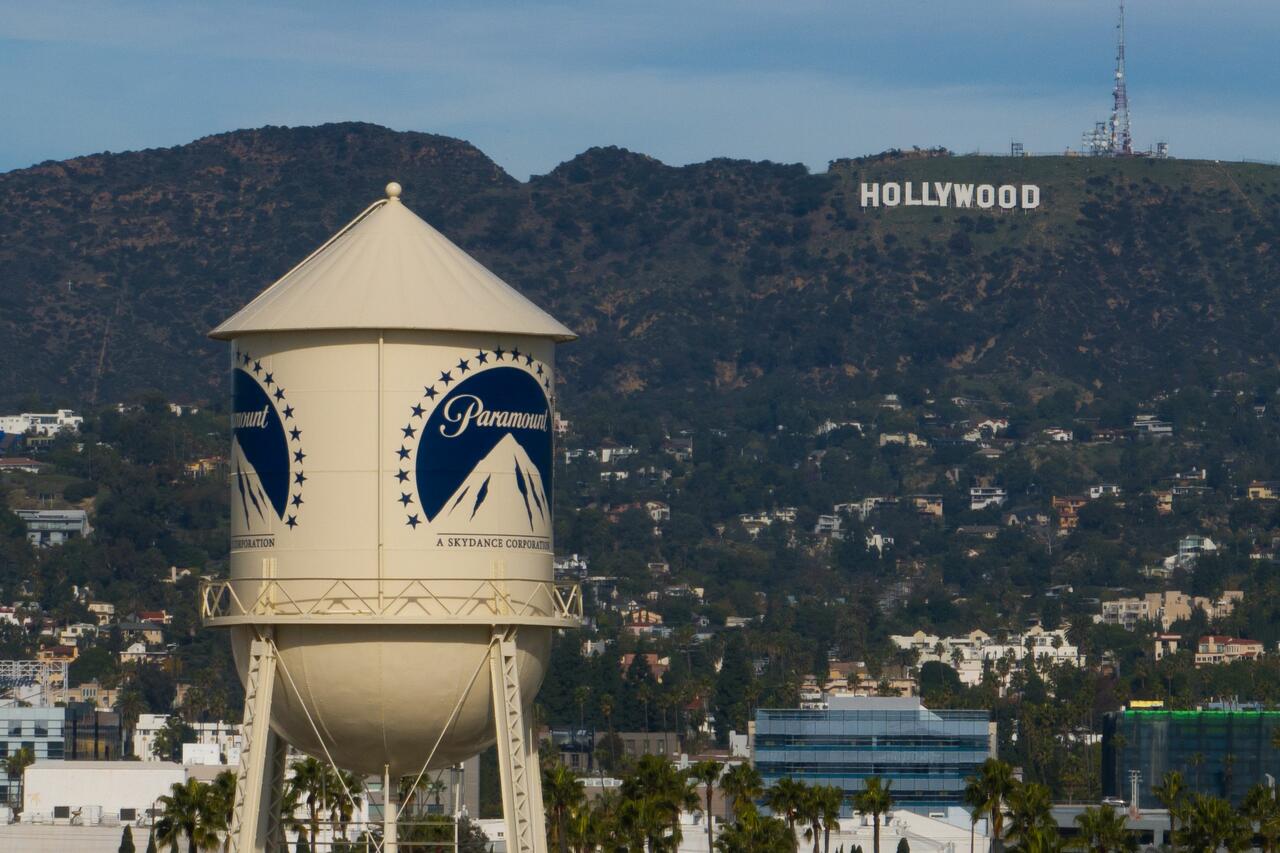
Twelve state Attorneys General have just settled their lawsuit that tried to block Paramount from acquiring Warner Brothers. The case was brought under federal antitrust law. The settlement, however, goes far afield from antitrust. A state Attorney General is a political office-holder. It is neither surprising nor inappropriate that each would bring political considerations into the decision to sue, and now to settle a suit, against a merger of the prominence of Paramount-Warner Brothers.
What is inappropriate, however, is to extract promises that have nothing to do with antitrust in order to settle an antitrust case.
Antitrust officials in Europe, the UK, and at the US Department of Justice approved the merger. These agencies hold diverging approaches to antitrust, with the European Union authorities perceived as the most aggressive. That all three approved the merger is a strong indicator that the merger posed no antitrust issues.
The twelve states continued their opposition, nonetheless. The terms of the settlement indicate why.
What the states have obtained has little to do with antitrust and a lot to do with political control of the media and saving jobs in California. The federal anti-merger law passed in 1914 prohibits mergers that may "substantially... lessen competition or... tend to create a monopoly" in any "line of commerce."
Over the 112 years since passage, the words of the statute have been interpreted by federal courts to require a definiti