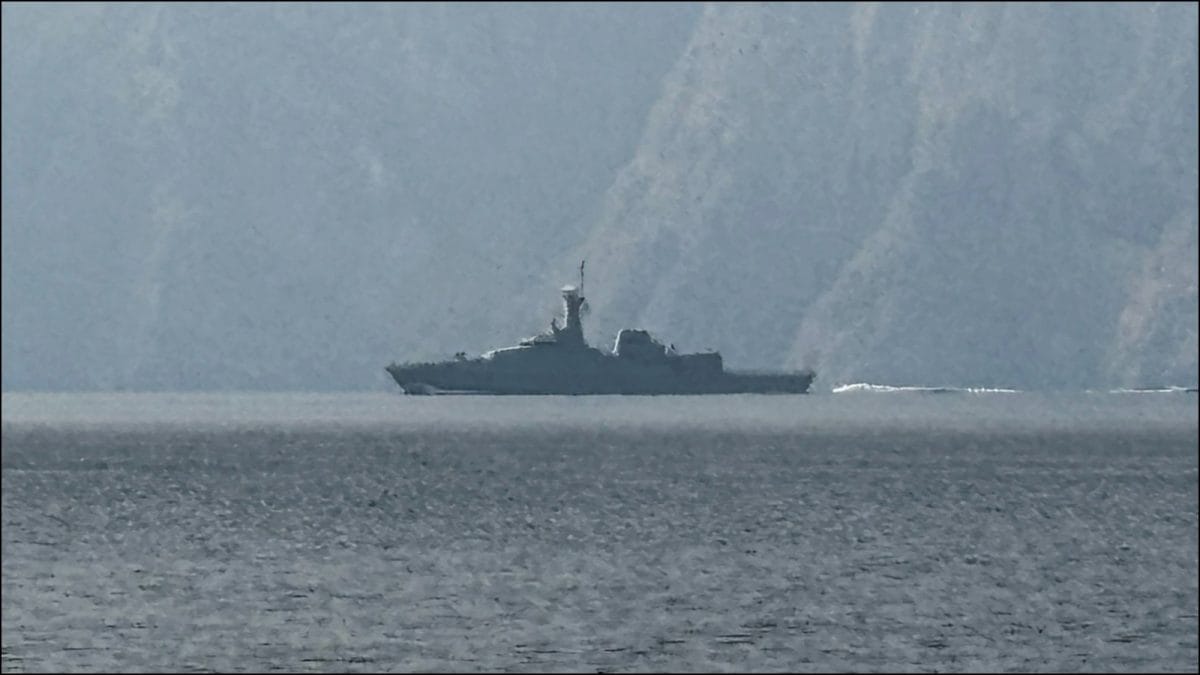
Iran’s Revolutionary Guards have successfully turned the international maritime insurance market into a potent weapon of economic warfare by effectively controlling the Strait of Hormuz — a vital energy arterythrough which approximately 20 percent of the world’s total petroleum and LNG flows daily.
An elite force of Iran, the Islamic Revolutionary Guard Corps (IRGC) poses a massive threat to ships attempting to pass theStrait of Hormuz, due to which there has been a near-total halt of tankers carrying oil from major producers like Saudi Arabia, Iraq, and Kuwait.
This, in turn, has threatened global economic stability, which led to soaring crude prices that touched USD 120 per barrel on Monday. Fuel costs have sent governments scrambling with many imposingprotection measureswhile others mull their strategic reserves as a result of massive disruption to industrial supply chains.
The IRGC has moved from conventional naval skirmishes to a calculated “grey-zone" strategy by leveraging a combination of deniable proxy attacks and the rigid legal frameworks of global shipping.
Follow Dubai, Abu Dhabi, UAE, News LIVE Updates Here
For decades, the threat to the Strait of Hormuz was perceived as a physical blockade. But recent data accessed by intelligence agencies has revealed “asymmetric maritime risk engineering".
According to top intelligence sources, instead of deploying naval mines or engaging in direct fleet confrontations, the IRGC is exploiting the financial mechanisms that allow commercial vessels to operate.
The intelligence sources toldNews18that in the last 10 days alone, the dynamics of war-risk insurance around Hormuz have sharply shifted. Premiums for war coverage on vessels attempting the transit have surged from approximately 0.2 to 0.4 percent of a ship’s value to as much as 3 percent.
The sources said for a modern tanker valued between USD 200 million and USD 300 million, this means a single journey now incurs an insurance cost of USD 7 million or more. These costs act as a functional barrier, forcing commercial operators to halt transits as the financial protection required to sail becomes unsustainable.
ALSO READ | ‘If They Can Afford $200 Per Barrel…’: Iran Dares US To Continue War As Crude Prices Soar
Source: World News in news18.com, World Latest News, World News
