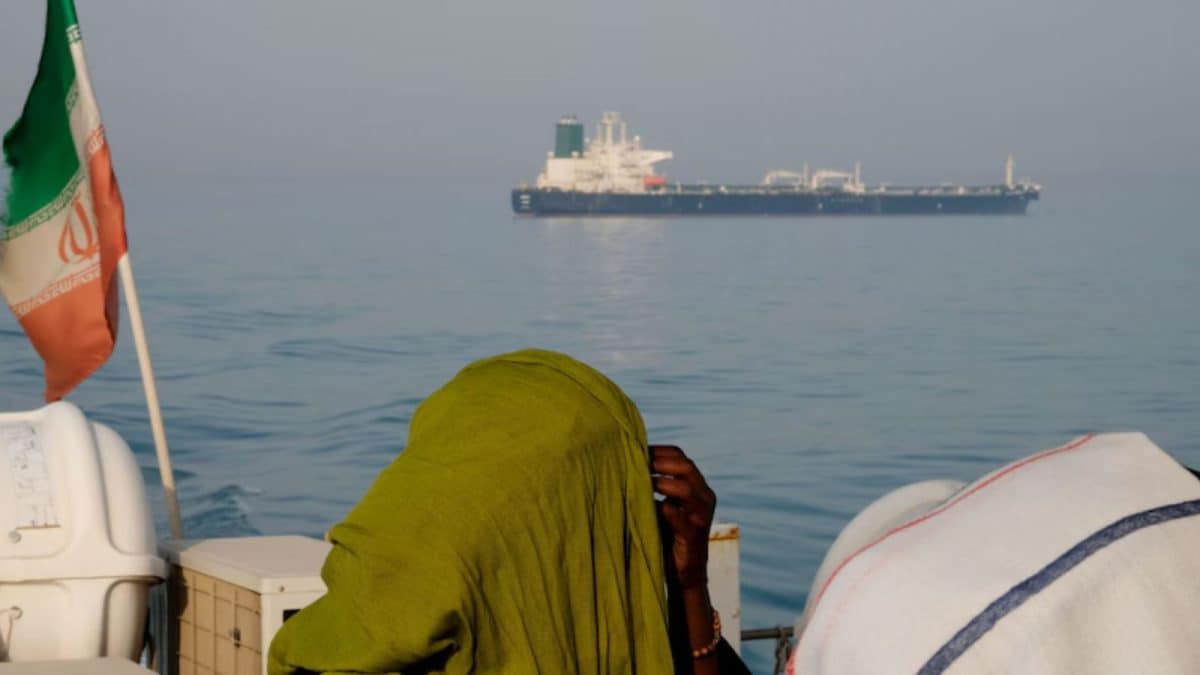
The war room in Tehran is reportedly planning to close another strategic chokepoint of Bab-el-Mandeb in the Arabian Peninsula if the United States decides to escalate the ongoing military campaign against Iran.
According to the Iran Military Monitor, the Islamic Republic is weighing shutting down the Persian Gulf and the Bab-el-Mandeb Strait if the US or Israel launches strikes against its leadership after Mojtaba Khamenei was chosen as the next Supreme Leader to succeed his slain father Ali Khamenei.
LIVE UPDATES of US-Israel-Iran War
The Bab el‑Mandeb Strait is a narrow and strategically vital waterway that connects the Red Sea to the Gulf of Aden, forming a key maritime link between the Mediterranean Sea and the Indian Ocean through the Suez Canal. It is located between Yemen on the Arabian Peninsula and Djibouti in the Horn of Africa, serving as one of the most important shipping chokepoints.
This comes after the Strait of Hormuz, a vital waterway in the Gulf region, has been virtually shut down due to the ongoing war. Traffic through the busy strait came down in the first few days of the conflict, as Iran declared the strait closed and attacked some ships that attempted the route.
ALSO READ:Should India Be Worried Over Shutdown Of Strait Of Hormuz Amid Israel-Iran War? Not Yet, Say Sources
Global crude oil prices have shot up more than 10% since the US and Israel attacked Iran on February 28. Natural gas prices in Europe and Asia, which rely heavily on imported liquefied natural gas, or LNG, have risen even more sharply. Iran has struck oil and gas infrastructure in neighbouring countries, forcing producers to cut down exports.
Saudi oil giant Aramco has begun cutting output at two of its oilfields, adding to earlier reductions by the United Arab Emirates, Iraq, Kuwait and Qatar as shipments continue to be blocked and they run out of storage.
This has put more pressure on US President Donald Trump to review options to keep oil prices under check, as American officials held talks with counterparts from the G7 over a possible joint release of crude oil from strategic reserves.
Other options include restricting US exports, intervening in oil futures markets, waiving some federal taxes, and lifting requirements under a U.S. law called the Jones Act that requires domestic fuel to move only on US-flagged ships, Reuters reported, citing sources.
Source: World News in news18.com, World Latest News, World News
