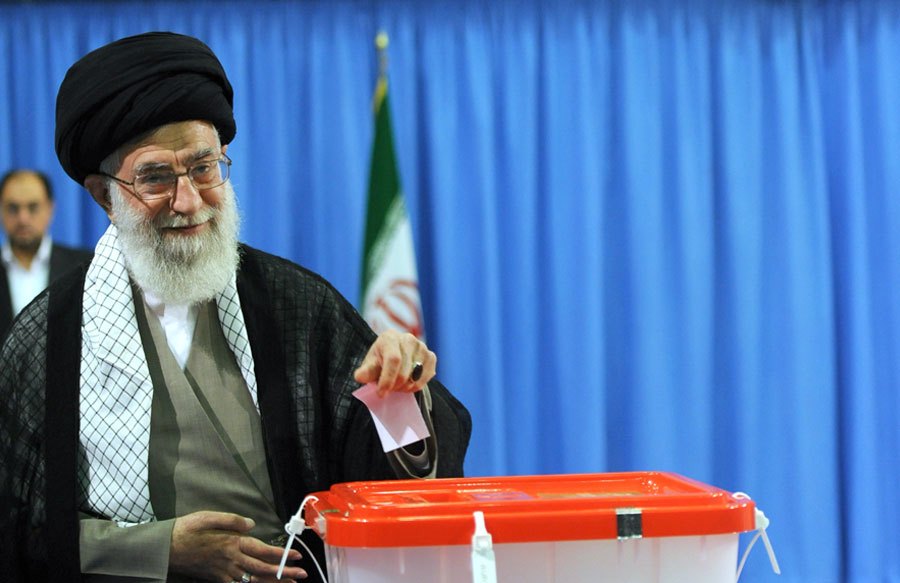
Iran's Assembly of Experts has selected Mojtaba Khamenei as the new Supreme Leader.This marks a historic hereditary succession, reversing a core principle of the 1979 revolution.He assumes power following the assassination of his father and family in an airstrike.The IRGC has pledged full allegiance, consolidating hardline control amid ongoing war.The U.S. and Israel have rejected his legitimacy and escalated military and economic strikes.
This marks a historic hereditary succession, reversing a core principle of the 1979 revolution.He assumes power following the assassination of his father and family in an airstrike.The IRGC has pledged full allegiance, consolidating hardline control amid ongoing war.The U.S. and Israel have rejected his legitimacy and escalated military and economic strikes.
He assumes power following the assassination of his father and family in an airstrike.The IRGC has pledged full allegiance, consolidating hardline control amid ongoing war.The U.S. and Israel have rejected his legitimacy and escalated military and economic strikes.
The IRGC has pledged full allegiance, consolidating hardline control amid ongoing war.The U.S. and Israel have rejected his legitimacy and escalated military and economic strikes.
The U.S. and Israel have rejected his legitimacy and escalated military and economic strikes.
In a move that fundamentally reshapes the Islamic Republicâs founding ideology, Iranâs Assembly of Experts has selected Mojtaba Khamenei, the 56-year-old son of the late Supreme Leader Ayatollah Ali Khamenei, as the countryâs new supreme leader. This decision, confirmed by state media on Sunday, marks the first hereditary succession since the 1979 revolution that overthrew the monarchy, even as the nation reels under a sustained U.S.-Israeli bombing campaign that killed the elder Khamenei and much of his immediate family just over a week ago.The younger Khamenei assumes power amid a devastating regional conflict that has killed more than 1,400 people. His ascension signals a defiant consolidation of hardline control rather than a surrender, with the powerful Islamic Revolutionary Guard Corps (IRGC) immediately pledging its âsincere and life-long allegianceâ to him. The IRGC stated that his election âproved to everyone that the movement of the Islamic system does not stop, and the revolution and the Islamic system do not depend on individuals.âA revolution comes full circleThe irony is profound. The 1979 Iranian Revolution was fueled by popular outrage against the hereditary rule of the Western-backed Shah, Mohammad Reza Pahlavi. The system that replaced it was built on the concept of a clerical supreme leader chosen by an assembly, theoretically rejecting dynastic politics. The irony cuts even deeper given that both father and son had publicly opposed hereditary succession on Shia theological grounds. By placing Mojtaba Khamenei in power, the regime has, in the eyes of critics, effectively reinstated a monarchy. AsZero Hedgenoted, âIran overthrew a monarchy 47 years ago to institute a... monarchy.âMojtaba Khamenei is a low-profile but influential figure. He served briefly in the Iran-Iraq war, studied in the religious seminaries of Qom, and is described as having close ties to the IRGC. While never holding public office, he has long been considered a key power broker. WikiLeaks cables from 2008 and 2009 referred to him as âthe power behind the robesâ and his fatherâs âprincipal gatekeeper.â His selection follows the killing of his father, his wife, his mother, and his sister in an Israeli airstrike on February 28.War escalates as leadership consolidatesThe new leader takes command with the war raging. U.S. and Israeli forces have expanded strikes to target Iranian oil depots and refining facilities in Tehran, creating environmental crises with oil-soaked rain contaminating the capital. The U.S. has openly discussed plans to seize Iranâs oil and even send special forces to secure the countryâs stockpiles of highly enriched uranium. Secretary of State Marco Rubio, when asked about securing Iranâs uranium, stated, âPeople are going to have to go and get it.âPresident Donald Trump has already rejected the legitimacy of Mojtaba Khamenei, calling his appointment âunacceptableâ and demanding Iranâs âunconditional surrender.â Israeli officials have likewise declared that any successor to Ali Khamenei would become âa target.â This sets the stage for the new supreme leader to potentially face assassination attempts immediately upon assuming his public role, likely forcing him to govern from secured bunkers.The broader conflict shows no sign of abating. Iranian forces continue retaliatory strikes across the region, targeting U.S. bases and Israeli cities. The IRGC has vowed that âthe volume and depth of the attacks of the Iranian armed forces on the enemy will expand in the coming hours and days.âFor the Iranian people, the cost is already catastrophic. A human rights group reports at least 1,205 civilians killed within Iran, including 194 children. The nation now faces a hereditary transition its founders once railed against, all while under a relentless aerial siege. The selection of Mojtaba Khamenei is not a pause for peace but a declaration that the existing power structure intends to survive, even if it must abandon a core revolutionary principle to do so. In the crucible of total war, regimes often cling to what they know best, even if it mirrors the very systems they were born to destroy.Sources for this article include:ZeroHedge.comAntiWar.comJustTheNews.comIndependent.co.uk
The younger Khamenei assumes power amid a devastating regional conflict that has killed more than 1,400 people. His ascension signals a defiant consolidation of hardline control rather than a surrender, with the powerful Islamic Revolutionary Guard Corps (IRGC) immediately pledging its âsincere and life-long allegianceâ to him. The IRGC stated that his election âproved to everyone that the movement of the Islamic system does not stop, and the revolution and the Islamic system do not depend on individuals.âA revolution comes full circleThe irony is profound. The 1979 Iranian Revolution was fueled by popular outrage against the hereditary rule of the Western-backed Shah, Mohammad Reza Pahlavi. The system that replaced it was built on the concept of a clerical supreme leader chosen by an assembly, theoretically rejecting dynastic politics. The irony cuts even deeper given that both father and son had publicly opposed hereditary succession on Shia theological grounds. By placing Mojtaba Khamenei in power, the regime has, in the eyes of critics, effectively reinstated a monarchy. AsZero Hedgenoted, âIran overthrew a monarchy 47 years ago to institute a... monarchy.âMojtaba Khamenei is a low-profile but influential figure. He served briefly in the Iran-Iraq war, studied in the religious seminaries of Qom, and is described as having close ties to the IRGC. While never holding public office, he has long been considered a key power broker. WikiLeaks cables from 2008 and 2009 referred to him as âthe power behind the robesâ and his fatherâs âprincipal gatekeeper.â His selection follows the killing of his father, his wife, his mother, and his sister in an Israeli airstrike on February 28.War escalates as leadership consolidatesThe new leader takes command with the war raging. U.S. and Israeli forces have expanded strikes to target Iranian oil depots and refining facilities in Tehran, creating environmental crises with oil-soaked rain contaminating the capital. The U.S. has openly discussed plans to seize Iranâs oil and even send special forces to secure the countryâs stockpiles of highly enriched uranium. Secretary of State Marco Rubio, when asked about securing Iranâs uranium, stated, âPeople are going to have to go and get it.âPresident Donald Trump has already rejected the legitimacy of Mojtaba Khamenei, calling his appointment âunacceptableâ and demanding Iranâs âunconditional surrender.â Israeli officials have likewise declared that any successor to Ali Khamenei would become âa target.â This sets the stage for the new supreme leader to potentially face assassination attempts immediately upon assuming his public role, likely forcing him to govern from secured bunkers.The broader conflict shows no sign of abating. Iranian forces continue retaliatory strikes across the region, targeting U.S. bases and Israeli cities. The IRGC has vowed that âthe volume and depth of the attacks of the Iranian armed forces on the enemy will expand in the coming hours and days.âFor the Iranian people, the cost is already catastrophic. A human rights group reports at least 1,205 civilians killed within Iran, including 194 children. The nation now faces a hereditary transition its founders once railed against, all while under a relentless aerial siege. The selection of Mojtaba Khamenei is not a pause for peace but a declaration that the existing power structure intends to survive, even if it must abandon a core revolutionary principle to do so. In the crucible of total war, regimes often cling to what they know best, even if it mirrors the very systems they were born to destroy.Sources for this article include:ZeroHedge.comAntiWar.comJustTheNews.comIndependent.co.uk
The younger Khamenei assumes power amid a devastating regional conflict that has killed more than 1,400 people. His ascension signals a defiant consolidation of hardline control rather than a surrender, with the powerful Islamic Revolutionary Guard Corps (IRGC) immediately pledging its âsincere and life-long allegianceâ to him. The IRGC stated that his election âproved to everyone that the movement of the Islamic system does not stop, and the revolution and the Islamic system do not depend on individuals.âA revolution comes full circleThe irony is profound. The 1979 Iranian Revolution was fueled by popular outrage against the hereditary rule of the Western-backed Shah, Mohammad Reza Pahlavi. The system that replaced it was built on the concept of a clerical supreme leader chosen by an assembly, theoretically rejecting dynastic politics. The irony cuts even deeper given that both father and son had publicly opposed hereditary succession on Shia theological grounds. By placing Mojtaba Khamenei in power, the regime has, in the eyes of critics, effectively reinstated a monarchy. AsZero Hedgenoted, âIran overthrew a monarchy 47 years ago to institute a... monarchy.âMojtaba Khamenei is a low-profile but influential figure. He served briefly in the Iran-Iraq war, studied in the religious seminaries of Qom, and is described as having close ties to the IRGC. While never holding public office, he has long been considered a key power broker. WikiLeaks cables from 2008 and 2009 referred to him as âthe power behind the robesâ and his fatherâs âprincipal gatekeeper.â His selection follows the killing of his father, his wife, his mother, and his sister in an Israeli airstrike on February 28.War escalates as leadership consolidatesThe new leader takes command with the war raging. U.S. and Israeli forces have expanded strikes to target Iranian oil depots and refining facilities in Tehran, creating environmental crises with oil-soaked rain contaminating the capital. The U.S. has openly discussed plans to seize Iranâs oil and even send special forces to secure the countryâs stockpiles of highly enriched uranium. Secretary of State Marco Rubio, when asked about securing Iranâs uranium, stated, âPeople are going to have to go and get it.âPresident Donald Trump has already rejected the legitimacy of Mojtaba Khamenei, calling his appointment âunacceptableâ and demanding Iranâs âunconditional surrender.â Israeli officials have likewise declared that any successor to Ali Khamenei would become âa target.â This sets the stage for the new supreme leader to potentially face assassination attempts immediately upon assuming his public role, likely forcing him to govern from secured bunkers.The broader conflict shows no sign of abating. Iranian forces continue retaliatory strikes across the region, targeting U.S. bases and Israeli cities. The IRGC has vowed that âthe volume and depth of the attacks of the Iranian armed forces on the enemy will expand in the coming hours and days.âFor the Iranian people, the cost is already catastrophic. A human rights group reports at least 1,205 civilians killed within Iran, including 194 children. The nation now faces a hereditary transition its founders once railed against, all while under a relentless aerial siege. The selection of Mojtaba Khamenei is not a pause for peace but a declaration that the existing power structure intends to survive, even if it must abandon a core revolutionary principle to do so. In the crucible of total war, regimes often cling to what they know best, even if it mirrors the very systems they were born to destroy.Sources for this article include:ZeroHedge.comAntiWar.comJustTheNews.comIndependent.co.uk
A revolution comes full circleThe irony is profound. The 1979 Iranian Revolution was fueled by popular outrage against the hereditary rule of the Western-backed Shah, Mohammad Reza Pahlavi. The system that replaced it was built on the concept of a clerical supreme leader chosen by an assembly, theoretically rejecting dynastic politics. The irony cuts even deeper given that both father and son had publicly opposed hereditary succession on Shia theological grounds. By placing Mojtaba Khamenei in power, the regime has, in the eyes of critics, effectively reinstated a monarchy. AsZero Hedgenoted, âIran overthrew a monarchy 47 years ago to institute a... monarchy.âMojtaba Khamenei is a low-profile but influential figure. He served briefly in the Iran-Iraq war, studied in the religious seminaries of Qom, and is described as having close ties to the IRGC. While never holding public office, he has long been considered a key power broker. WikiLeaks cables from 2008 and 2009 referred to him as âthe power behind the robesâ and his fatherâs âprincipal gatekeeper.â His selection follows the killing of his father, his wife, his mother, and his sister in an Israeli airstrike on February 28.War escalates as leadership consolidatesThe new leader takes command with the war raging. U.S. and Israeli forces have expanded strikes to target Iranian oil depots and refining facilities in Tehran, creating environmental crises with oil-soaked rain contaminating the capital. The U.S. has openly discussed plans to seize Iranâs oil and even send special forces to secure the countryâs stockpiles of highly enriched uranium. Secretary of State Marco Rubio, when asked about securing Iranâs uranium, stated, âPeople are going to have to go and get it.âPresident Donald Trump has already rejected the legitimacy of Mojtaba Khamenei, calling his appointment âunacceptableâ and demanding Iranâs âunconditional surrender.â Israeli officials have likewise declared that any successor to Ali Khamenei would become âa target.â This sets the stage for the new supreme leader to potentially face assassination attempts immediately upon assuming his public role, likely forcing him to govern from secured bunkers.The broader conflict shows no sign of abating. Iranian forces continue retaliatory strikes across the region, targeting U.S. bases and Israeli cities. The IRGC has vowed that âthe volume and depth of the attacks of the Iranian armed forces on the enemy will expand in the coming hours and days.âFor the Iranian people, the cost is already catastrophic. A human rights group reports at least 1,205 civilians killed within Iran, including 194 children. The nation now faces a hereditary transition its founders once railed against, all while under a relentless aerial siege. The selection of Mojtaba Khamenei is not a pause for peace but a declaration that the existing power structure intends to survive, even if it must abandon a core revolutionary principle to do so. In the crucible of total war, regimes often cling to what they know best, even if it mirrors the very systems they were born to destroy.Sources for this article include:ZeroHedge.comAntiWar.comJustTheNews.comIndependent.co.uk
The irony is profound. The 1979 Iranian Revolution was fueled by popular outrage against the hereditary rule of the Western-backed Shah, Mohammad Reza Pahlavi. The system that replaced it was built on the concept of a clerical supreme leader chosen by an assembly, theoretically rejecting dynastic politics. The irony cuts even deeper given that both father and son had publicly opposed hereditary succession on Shia theological grounds. By placing Mojtaba Khamenei in power, the regime has, in the eyes of critics, effectively reinstated a monarchy. AsZero Hedgenoted, âIran overthrew a monarchy 47 years ago to institute a... monarchy.âMojtaba Khamenei is a low-profile but influential figure. He served briefly in the Iran-Iraq war, studied in the religious seminaries of Qom, and is described as having close ties to the IRGC. While never holding public office, he has long been considered a key power broker. WikiLeaks cables from 2008 and 2009 referred to him as âthe power behind the robesâ and his fatherâs âprincipal gatekeeper.â His selection follows the killing of his father, his wife, his mother, and his sister in an Israeli airstrike on February 28.War escalates as leadership consolidatesThe new leader takes command with the war raging. U.S. and Israeli forces have expanded strikes to target Iranian oil depots and refining facilities in Tehran, creating environmental crises with oil-soaked rain contaminating the capital. The U.S. has openly discussed plans to seize Iranâs oil and even send special forces to secure the countryâs stockpiles of highly enriched uranium. Secretary of State Marco Rubio, when asked about securing Iranâs uranium, stated, âPeople are going to have to go and get it.âPresident Donald Trump has already rejected the legitimacy of Mojtaba Khamenei, calling his appointment âunacceptableâ and demanding Iranâs âunconditional surrender.â Israeli officials have likewise declared that any successor to Ali Khamenei would become âa target.â This sets the stage for the new supreme leader to potentially face assassination attempts immediately upon assuming his public role, likely forcing him to govern from secured bunkers.The broader conflict shows no sign of abating. Iranian forces continue retaliatory strikes across the region, targeting U.S. bases and Israeli cities. The IRGC has vowed that âthe volume and depth of the attacks of the Iranian armed forces on the enemy will expand in the coming hours and days.âFor the Iranian people, the cost is already catastrophic. A human rights group reports at least 1,205 civilians killed within Iran, including 194 children. The nation now faces a hereditary transition its founders once railed against, all while under a relentless aerial siege. The selection of Mojtaba Khamenei is not a pause for peace but a declaration that the existing power structure intends to survive, even if it must abandon a core revolutionary principle to do so. In the crucible of total war, regimes often cling to what they know best, even if it mirrors the very systems they were born to destroy.Sources for this article include:ZeroHedge.comAntiWar.comJustTheNews.comIndependent.co.uk
Source: NaturalNews.com
