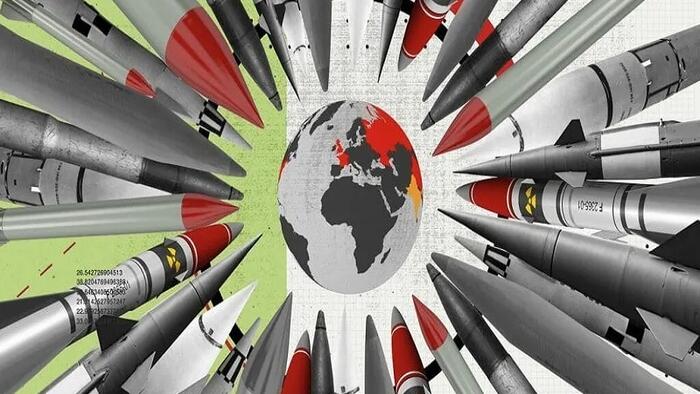
In the shadow of escalating geopolitical tensions, the specter of a new global nuclear arms race looms larger than at any point since the Cold War's end. Russia's suspension of the New START treaty in early 2026, coupled with China's rapid expansion of its nuclear arsenal to over 1,000 warheads, has prompted U.S. defense hawks to warn of an unprecedented multipolar nuclear standoff. Intelligence reports indicate that Moscow is modernizing its ICBM forces while Beijing accelerates hypersonic missile development, raising questions about whether deterrence is fraying into outright competition.
The New START accord, once the cornerstone of U.S.-Russian nuclear stability, expired without renewal amid mutual recriminations over Ukraine and Taiwan. Signed in 2010, it capped deployed strategic warheads at 1,550 per side, but Russia's February 2026 announcement—citing alleged U.S. violations—effectively ended verification flights and data exchanges. This mirrors the 2002 collapse of the Anti-Ballistic Missile Treaty, which critics argue ignited the last arms buildup. Without these guardrails, both superpowers are ramping up production: the U.S. Air Force's Ground Based Strategic Deterrent program aims for 659 new Minuteman III replacements by 2030, while Russia deploys Sarmat "Satan II" missiles capable of carrying multiple warheads.
China's opaque buildup adds a volatile third pole to the equation. Satellite imagery from early 2026 reveals at least 350 new silos in western deserts, fueling Pentagon estimates of a tripling in Beijing's stockpile within five years. President Xi Jinping's doctrine of "active defense" justifies this surge, ostensibly to counter U.S. alliances in the Indo-Pacific. Hypersonic glide vehicles like the DF-17, tested successfully last month, evade traditional missile defenses, prompting calls in Washington for deploying more B-21 stealth bombers to Guam. Analysts at the Arms Control Association peg the likelihood of a full arms race at 60%, driven by technological parity pursuits.
Beyond the big three, proliferation risks amplify the danger. North Korea's Kim Jong-un unveiled a tactical nuclear warhead in January 2026, boasting yields up to 10 kilotons, while Iran's uranium enrichment nears weapons-grade levels despite IAEA protests. Pakistan and India continue their South Asian standoff, with New Delhi's Agni-VI tests matching Islamabad's Ababeel MIRV capabilities. These regional flashpoints could cascade into global escalation, as dual-use technologies like AI-driven targeting systems proliferate via black markets.
Experts diverge on the race's trajectory. Optimists like former U.N. disarmament chief Izumi Nakamitsu argue backchannel diplomacy could revive bilateral talks, pointing to U.S.-China summits in 2025 that stabilized fentanyl flows. Pessimists, including Heritage Foundation strategist Rebeccah Heinrichs, foresee a "splendid first strike" incentive where perfect defenses render retaliation uncertain. With global stockpiles nearing 13,000 warheads—enough to end civilization multiple times—the incentives for restraint are eroding against nationalist pressures and technological temptations.
As world leaders convene for the NPT review in Geneva next month, the arms race's probability hinges on political will. Failure to cap hypersonics or intermediate-range missiles could lock in a perpetual buildup, costing trillions and heightening miscalculation risks. For now, the doctrine of mutually assured destruction holds, but in a world of nine nuclear powers, one slip could ignite the unthinkable.
