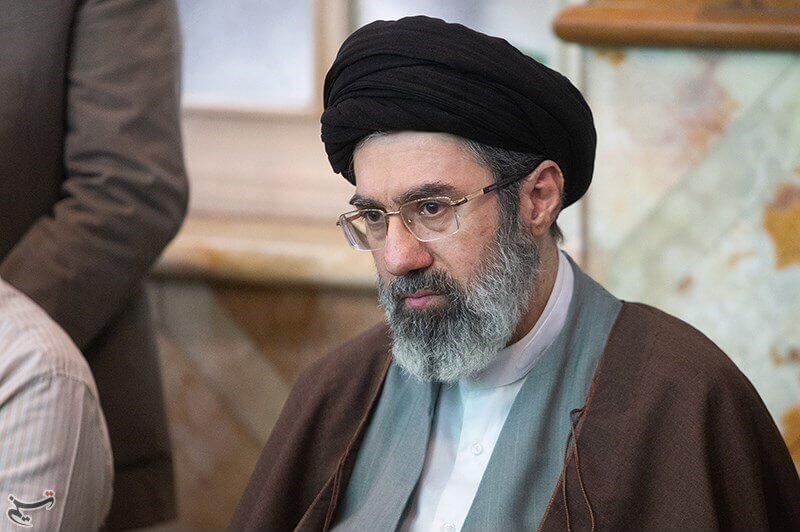
Iran is at a historic crossroads, and at the center of this shifting power landscape is Mojtaba Khamenei, a figure whose name is now appearing in headlines and policy briefings worldwide. But who isMojtaba Khamenei, the son of Ali Khamenei, and why is his rise signaling a potentially transformative era for Iran?
Mojtaba Khameneihas long operated behind the scenes, quietly influencing the corridors of power in Iran. Analysts describe him as even more hardline than his father, the long-serving Iran supreme leader, a reputation that hints at a steely approach to domestic control and foreign policy alike.
While Ali Khamenei often balanced consolidation of power with calculated diplomacy, Mojtaba's emergence suggests a willingness to embrace confrontation more openly, both at home and abroad.
The representatives of the Assembly of Experts appointed and introduced Ayatollah Sayyid Mojtaba Hosseini Khamenei (may God protect him) as the Third Leader of the Sacred Islamic Republic of Iran under Article 108 of the Constitution.pic.twitter.com/gZgvEI7Ds2
His appointment by Iran's Assembly of Experts, following his father's death, is not just ceremonial. Observers view it as a deliberate move by the country's clerical elite to project defiance and assert Iran's independence from Western pressures.
In other words, Mojtaba is not the type of leader who will shy away from enforcing the state's ideological line or resisting external influence.
So, who is Mojtaba Khamenei beyond the headlines? Born into Iran's highest clerical circles, he was groomed from an early age in the complex intersections of religious and political power. Although he kept a low public profile, his influence has been significant.
Mojtaba has cultivated deep ties with the Islamic Revolutionary Guard Corps (IRGC), the organisation central to Iran's military strategy and domestic security. These connections have positioned him as a decisive figure long before stepping into his father's shoes.
As the son of Ali Khamenei, Mojtaba's path highlights the intertwining of family lineage and political authority in Iran. His role as a hardline cleric underscores a commitment to enforcing ideological purity and suppressing dissent.
Experts warn that under his leadership, internal controls may intensify, with the government prioritising stability over reform as it navigates ongoing economic difficulties and political unrest.
Source: International Business Times UK
