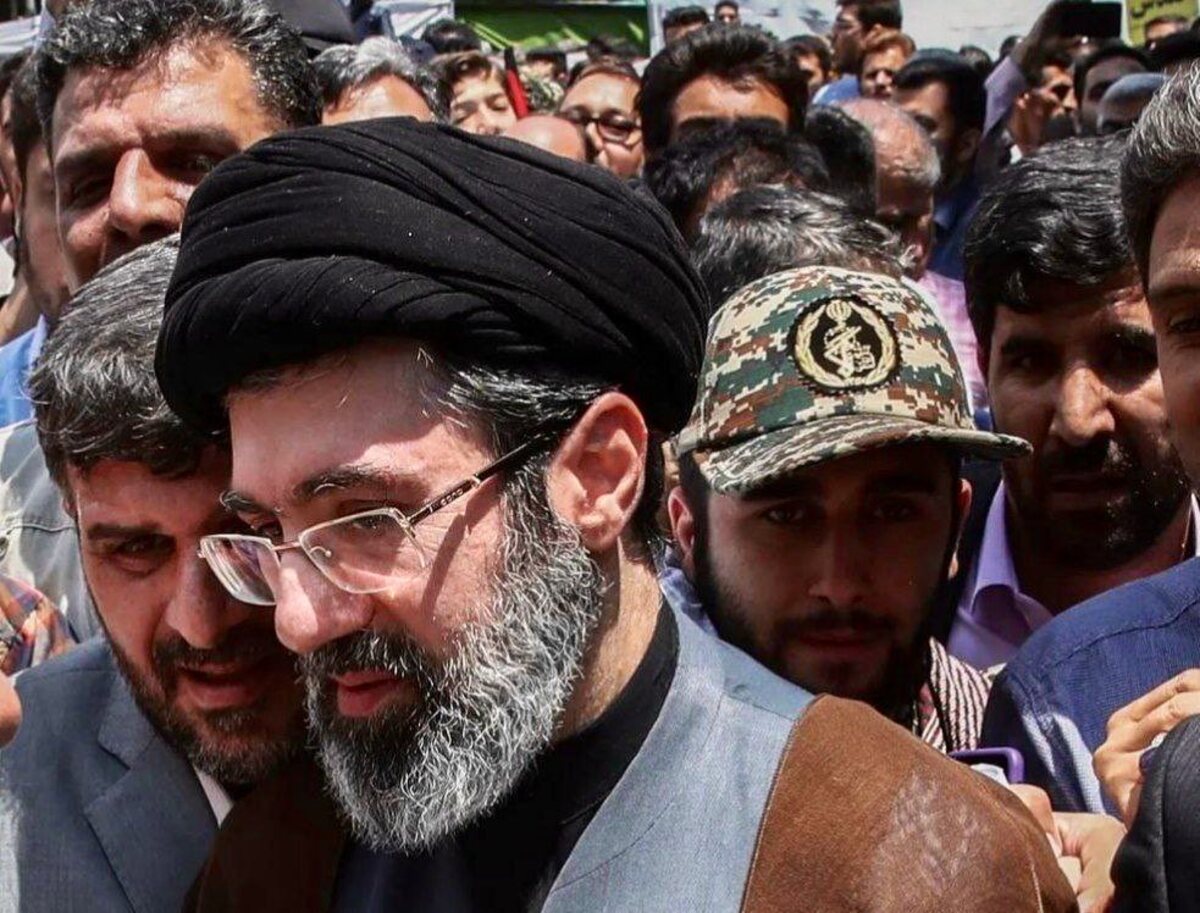
The Iran war sent oil prices soaring on Monday after Tehran, under new leader Mojtaba Khamanei, fired a new barrage of missiles at its Gulf neighbours and signalled that the strategic Strait of Hormuz would likely remain shut.
On the first day in power for Khamanei, the 56-year-old son of slain leader Ali Khamenei, Iranian troops mustered another wave of missile and drone attacks on Saudi Arabia, Bahrain, Qatar, the UAE and Israel.
Another missile was fired at NATO member Turkey, the second such incident in five days, with the alliance’s air defences intercepting it before it could hit its target.
With the Strait of Hormuz off Iran remaining closed to almost all oil tankers, the price of benchmark crude oil contracts rocketed past $100 a barrel on Monday — their highest levels since Russia’s invasion of Ukraine in 2022 — before edging back slightly.
French President Emmanuel Macron said that his country and its allies were working on a “purely defensive” mission to reopen the strait, through which nearly 20 percent of the world’s crude oil usually transits.
The mission would be aimed at escorting ships “after the end of the hottest phase of the conflict”, but experts say it would mean putting navy vessels at risk of incoming fire from the nearby Iranian coast.
US President Donald Trump said last Tuesday that American warships would escort oil tankers in a bid to get supplies of crude and liquefied natural gas (LNG) moving again, but no attempts have so far been reported.
Finance ministers from the G7 group of wealthy nations met virtually to discuss releasing strategic oil reserves to try to dampen prices, which are up around 40-50 percent since the US and Israel launched their first attacks.
Following the meeting, however, French Finance Minister Roland Lescure said the group was “not there yet”.
US Secretary of State Marco Rubio said on Monday that Iran was “trying to hold the world hostage”, but experts had warned for years that Tehran would likely lash out if attacked directly.
Source: Insider Paper