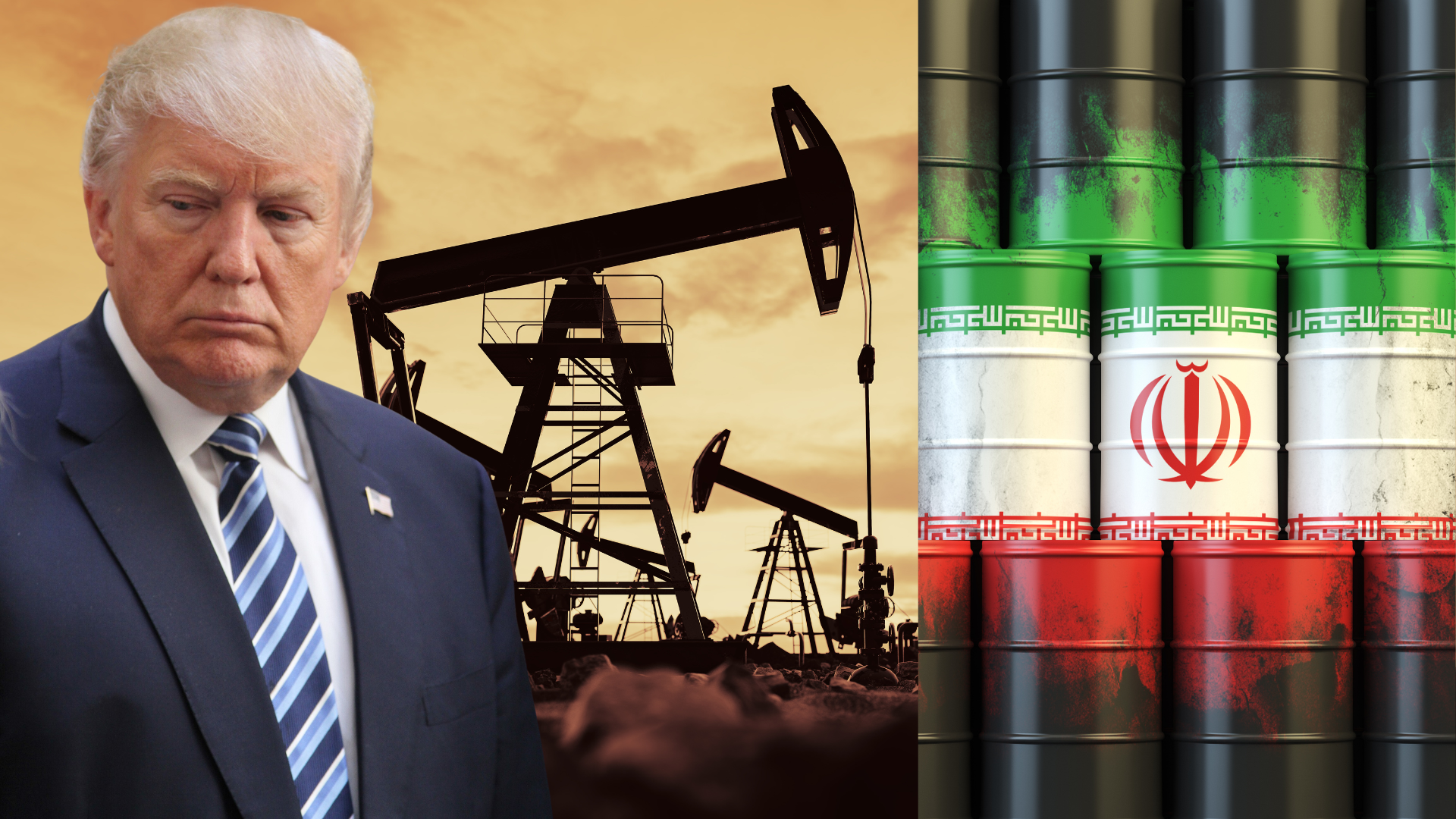
President Donald Trump has sparked backlash after branding concerns over skyrocketing energy costs as 'foolish', even as global markets reel from the most violent oil price swing since 2022.
Following a series of US and Israeli airstrikes on Iranian infrastructure, Brent crude surged by 25% on 9 March 2026, briefly touching $119.50 a barrel. While the G7 and the International Energy Agency (IEA) convened an emergency session to coordinate a massive release of strategic petroleum reserves, the President took to Truth Social to downplay the volatility.
Trump maintained that the current price shock is a 'very small price to pay' for the permanent destruction of the Iranian nuclear threat, predicting that costs will 'drop rapidly' once military objectives are secured.
'Short-term oil prices, which will drop rapidly when the destruction of the Iran nuclear threat is over, are a very small price to pay for USA, and World, Safety and Peace,'Trump wrote on his Truth Social account.
'Only fools would think differently,' he concluded.
The G7 nations held an emergency session on Monday to address soaring oil prices. The oil price went above $100 a barrel, and at one point it rose to nearly $120. Stock markets worldwide responded to the collapse.
Britain's FTSE 100 dropped 1.3%. Finance ministers, such as the UK Chancellor, Rachel Reeves, discussed how the economy should respond. The release of petroleum reserves is being discussed by officials, and the move is synchronised by the International Energy Agency (IEA). This wouldmark the first one since 2022, when the entire world's energy resources were stretched by the invasion of Ukraine by Russia.
The threat of the long-term derailment is big. The Strait of Hormuz is a narrow waterway in the Persian Gulf that carries almost a fifth of the world's oil. Traffic across this crucial route has ground to a near-zero since tensions have been rising over the last week.
Traders fear that continued closures will drive prices further, affecting consumers and businesses across the board. Higher inflation would cause central banks to delay interest rate cuts, reducing global economic growth.
Iranian politics is also changing. On the weekend, Iran declaredMojtaba Khamenei, Ali Khamenei's successor, as Supreme Leader. The action indicates that the hardliners remain in power despite increasing pressure on the international front.
Source: International Business Times UK