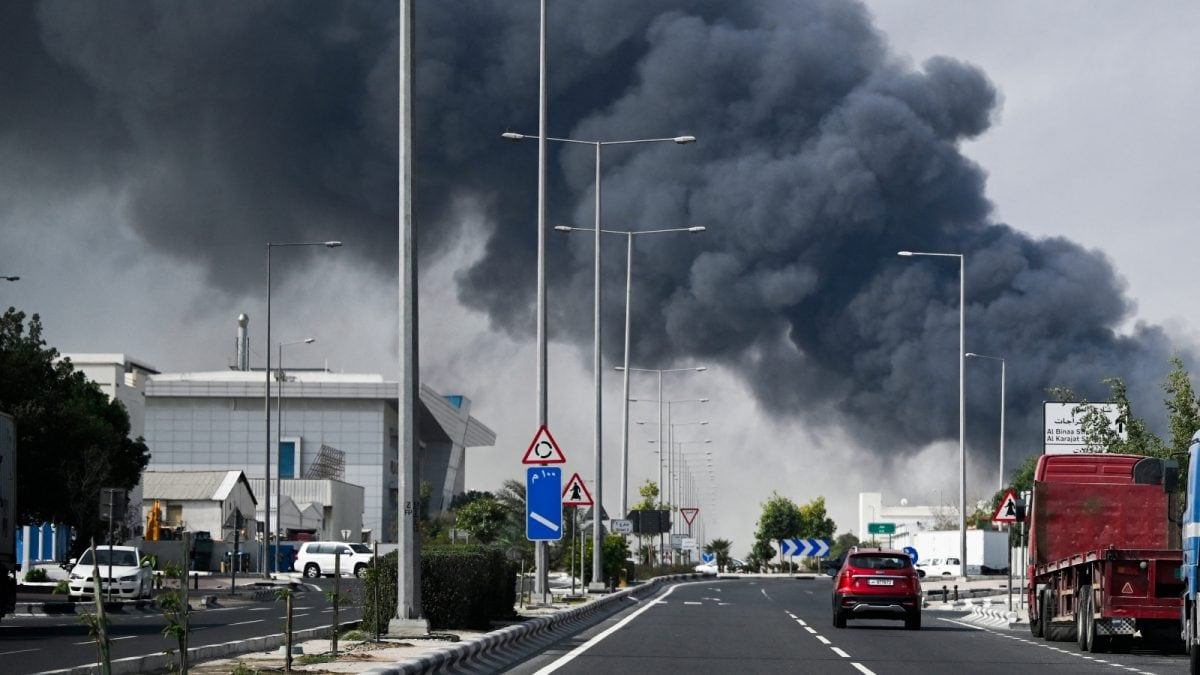
TheUS-Israel-Iran warhas broken most traditional templates, setting dangerous precedents for global conflicts in the future.
The primary “dangerous lesson" countries may take is that international treaties and conventional defences may be insufficient to deter major powers, potentially sparking a global nuclear arms race.
News18 decodes the four dangerous lessons.
The most criticallessonfor global powers is the perceived failure of “nuclear latency" or “threshold" status as adeterrent.
Iran’s strategy of maintaining the ability to build a bomb without actually possessing one failed to prevent direct “Operation Rising Lion" and “Operation Epic Fury" strikes.
ALSO READ |When Will US-Israel-Iran War End? Who Will Decide: Donald Trump or Benjamin Netanyahu? Explained
Observers note that while a non-nuclear Iran was bombed, nuclear-armed North Korea was not, potentially incentivising a global shift where nations believe only functional nuclear weapons guarantee regime survival.
The joint US-Israeli strikes on hardened sites like Fordow and Natanz have normalised “preventative war" against suspected proliferators, even without UNauthorisation, say exprts.
By observing that Iran’s “threshold" nuclear status failed to prevent a direct “Operation Epic Fury" decapitation strike, other nations may conclude that only the actual possession of functional nuclear weapons — rather than just the capability to build them — guarantees regime survival.
The conflict demonstrated that high-tech superiority can now be used to decapitate sovereign leadership and bypass international norms, media reports quoted analysts as saying.
Source: World News in news18.com, World Latest News, World News