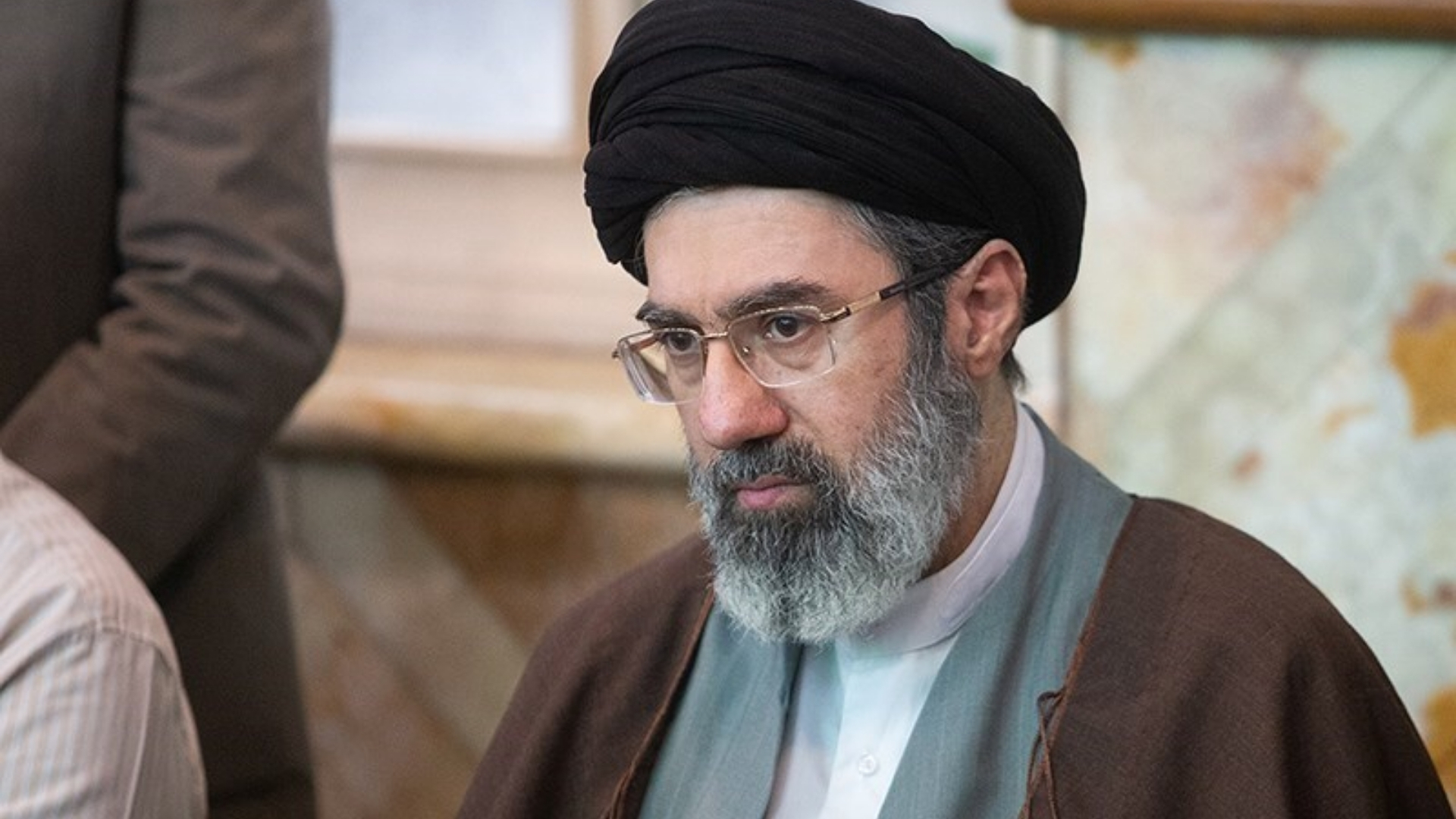
Iran fired missiles at Israelon Monday, marking the first military action under its new supreme leader, Mojtaba Khamenei.
The strikes set off sirens across northern and central Israel, including Tel Aviv and Haifa, and caused injuries from falling debris. According toFirst Post, emergency services reported at least one woman moderately hurt after 'flying rocks' hit her.
The attack has already sent shockwaves through regional security and global markets, with oil prices surpassing $100 a barrel (£82/$100), reflecting fears that the West Asia conflict could escalate further.
This bold opening move signals the new supreme leader's intent to assert Iran's influence rapidly and decisively.
According to Israel's Home Front Command, warning sirens sounded in major cities as Iranian missiles approached.
The military reported that its air defence systems intercepted several projectiles, but fragments still caused damage in central Israel. Authorities emphasised it was now safe for citizens to leave protective shelters, though residents remained cautious amid ongoing alerts.
Magen David Adom, Israel's national emergency service, confirmed that six people were injured across central Israel from debris caused by intercepted missiles. Local police also reported minor property damage in Tel Aviv and the surrounding areas.
Iran has not just fired new waves of missiles and drones at Israel but also towards Gulf nations, with Gulf states such as the United Arab Emirates reporting ballistic missiles and drones intercepted over their skies. Qatar has publicly condemned the strikes and urged de‑escalation
The missile strikes coincided with escalating attacks across the Middle East.
Israeli airstrikes targeted oil facilities in Tehran, causing fires that darkened the city with thick smoke and disrupted fuel distribution. A Tehran resident described the air as 'unbreathable' and reported shortages at gas stations.
Source: International Business Times UK