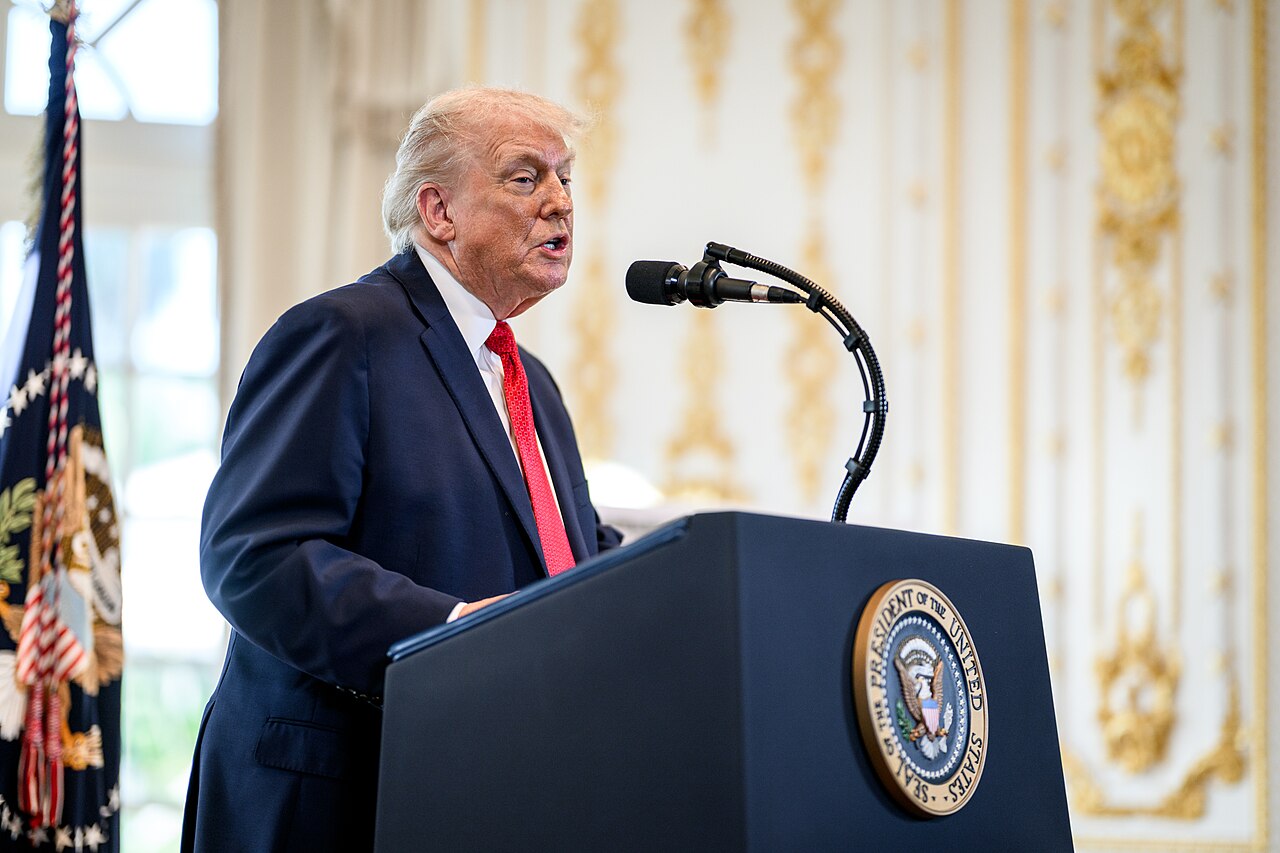
PresidentDonald Trumpsaid in the US in February that federal agencies should begin identifying and releasing classified files on UFO sightings and possible extraterrestrial activity, yet weeks later no such records have been made public, according to CNN and a later report by Moneycontrol. The gap between the promise and the paperwork is now the story, and it is a familiar pattern whenever national security records are involved.
The latest surge of interest began after former president Barack Obama joked on a podcast that aliens were 'real,' then clarified that he meant the statistical likelihood of life elsewhere in the universe, a remark that circulated online and fed a fresh cycle of speculation. Trump then said government agencies should start releasing records tied to UFOs and extraterrestrial life, raising expectations that long-rumoured files might finally move into public view.
That expectation was always somewhat breathless. Washington can announce almost anything in an evening, but declassifying it is another matter.
Moneycontrol'sreportmakes clear that even when a president backs disclosure, the machinery beneath that decision does not suddenly speed up. Records connected to unexplained aerial sightings can contain information about military technology, radar capability, intelligence gathering and satellite systems, which means they cannot simply be dumped into the public domain without review.
Security officials have to examine documents line by line and remove or heavily redact anything that could expose weapons systems, surveillance methods or troop locations. Because the material is spread across decades and across multiple agencies, officials familiar with the process say the sheer volume alone can stretch the exercise into months or even years.
There is also a harder truth that punctures some of the more excitable online chatter. A presidential endorsement of disclosure is not the same thing as disclosure itself. Nothing has been confirmed beyond the instruction to begin the process, so claims of an imminent blockbuster release should be treated with a grain of salt.
The White House has tried to keep the sense of suspense alive. Asked how Trump's approach would differ from existing law, spokesperson Anna Kelly said the president's stance was more transparent and told the public to 'stay tuned.' It is a neat line, though not much of an answer.
Much of the government's current work on these sightings is managed by the All-domain Anomaly Resolution Office, a Pentagon unit set up to investigate unusual objects reported by military personnel. According to the Department of Defense, the office leads efforts to document, analyse and, where possible, resolve unidentified anomalous phenomena using what it describes as a rigorous, data-driven framework.
The office draws on reports from pilots, radar systems and satellite observations, and some of those incidents involve objects said to move in ways not easily explained by known technology. Moneycontrol reported that officials say the office is helping to coordinate the review of records that could eventually be released.
Even so, believers expecting a cinematic reveal may be setting themselves up for disappointment. Researchers cited in the report note that previous releases of UFO-related records in the 1970s and later decades mostly produced routine paperwork, internal correspondence, sighting reports and technical assessments rather than dramatic proof of anything extraterrestrial. Many of those old cases amounted to little more than a strange light in the sky that vanished before investigators could work out what it was.
Source: International Business Times UK
