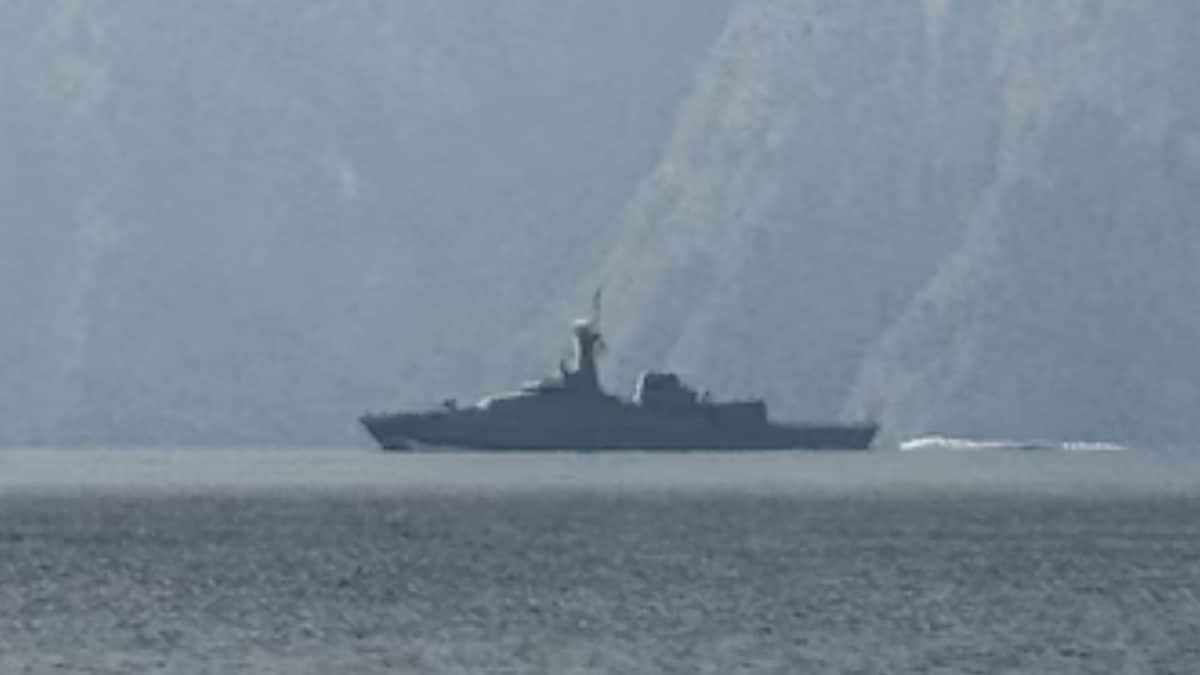
The Strait of Hormuz is a strategically vital maritimechokepointand the only sea passage connecting the Persian Gulf to the Gulf of Oman and the Arabian Sea. It is widely considered the world’s most important oil transit route.
It lies between Iran to the north and the Musandam Peninsula (an exclave of Oman) and the United Arab Emirates to the south.
ALSO READ | US-Israel-Iran War News LIVE UpdatesHERE
At its narrowest point, the strait is approximately 33 kilometres (21 miles) wide. Navigable channels for massive tankers are highly restricted, consisting of two-mile-wide inbound and outbound lanes separated by a two-mile buffer zone.
Energy Lifeline:Roughly 20% to 30% of the world’s total oil trade and approximately 20% of global liquefied natural gas (LNG) pass through this narrow waterway daily.
Major Exporters:It is the primary route for petroleum exports from major producers including Saudi Arabia, Iraq, Kuwait, Qatar, the UAE, and Iran.
Asian Markets:Approximately 80% of the oil transiting the strait is destined for Asian markets, with China, India, Japan, and South Korea being the top consumers.
The strait has become a major flashpoint following U.S. and Israeli military strikes on Iran.
On March 2, Iran’s Islamic Revolutionary Guard Corps (IRGC) officially declared the strait closed, threatening to attack any vessel that enters. This disruption has led to a sharp drop in maritime traffic (estimated at 70%), spiked shipping insurance premiums, and caused global oil prices to surge toward $80–$100 per barrel.
Reports and expert analysis indicate that the waterway is a major “digital chokepoint" with several critical systems passing through it.
Source: World News in news18.com, World Latest News, World News