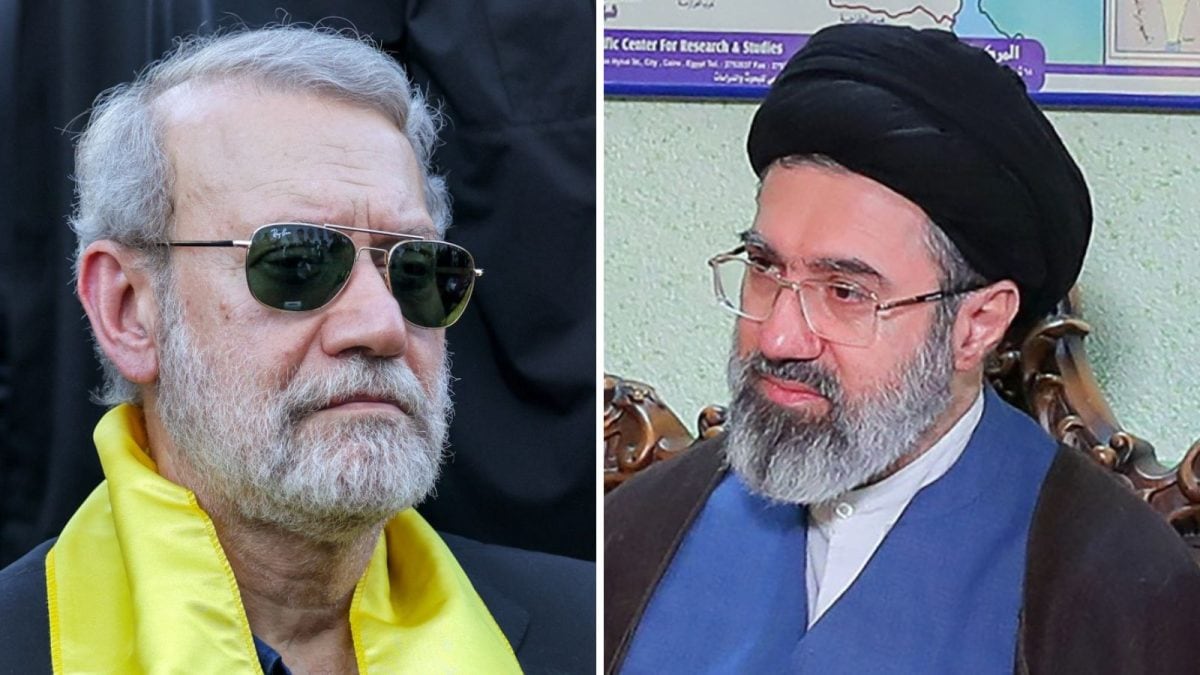
The elevation of Mojtaba Khamenei as Iran’s new Supreme Leader may not resolve the deep power struggle unfolding inside the Islamic Republic, with influential political figure Ali Larijani emerging as a central obstacle to a smooth transition, according to intelligence sources and regional observers.
Sources indicate that while key clerical bodies have internally moved toward Mojtaba, divisions among Iran’s political and security elite are likely to persist, raising the possibility that the internal contest for influence will continue even after the succession decision.
Several Iranian clerics and officials have privately indicated that voting within the powerful Assembly of Experts has already taken place and that a decision on leadership transition has effectively been finalised. However, insiders say the announcement has been complicated by factional rivalries and concerns about regime stability.
At the centre of the internal conflict is Ali Larijani, a long-time regime insider whose political network and clerical standing continue to give him significant influence across Iran’s executive and security establishment.
Before the anticipated announcement of Mojtaba’s elevation, tensions reportedly intensified between Larijani and Iran’s parliament speaker Mohammad Bagher Ghalibaf, who is widely viewed as a supporter of Mojtaba.
According to sources and media reports, the rivalry between the two camps—both with deep ties to Iran’s political and security institutions—has been a major factor complicating the leadership transition.
An insider familiar with the internal discussions described the situation as a “deep rift" within the regime over how the succession should unfold and who will ultimately control the levers of power once the transition takes place.
Dynastic Concerns Inside the System
Mojtaba’s potential elevation has also sparked ideological concerns within parts of Iran’s clerical establishment.
According to sources, some senior figures fear that elevating the son of Supreme Leader Ali Khamenei would appear as a dynastic transfer of power—a move that could undermine the Islamic Republic’s long-standing claim of clerical legitimacy and revolutionary governance.
Source: World News in news18.com, World Latest News, World News
