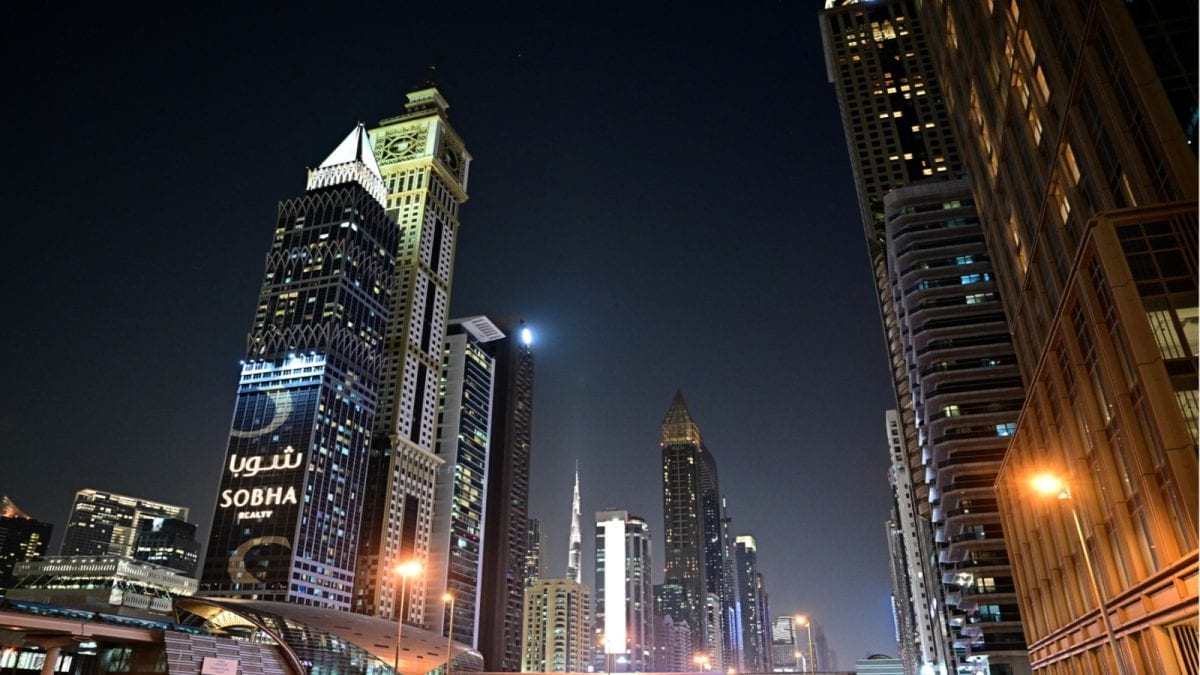
The Iran war entered its 10th day on Monday as tensions across the Gulf continued to rise. The United Arab Emirates confirmed that its air defence systems intercepted incoming ballistic missiles and drones launched from Iran. The defence ministry said the systems were responding to missile and drone threats, with explosions heard in parts of the country caused by interceptions.
The UAE, like other Gulf nations, has been heavily targeted by Iranian missiles and drones as the conflict expands across the region.
Attacks across the Gulf:Authorities in the UAE said a fire broke out at an oil facility in Fujairah after an attack. Drone strikes also killed four people in the UAE, including individuals from Pakistani, Nepali and Bangladeshi nationalities.The United States embassy in Kuwait was struck, while the US consulate in Dubai and other infrastructure in both countries were also targeted.
Evacuations continue:UAE President Sheikh Mohamed bin Zayed Al Nahyan spoke to US President Donald Trump by phone on Monday. According to state news agencies, the two leaders discussed the Iranian attacks on Gulf states.Meanwhile, the United States ordered non-emergency embassy staff and their family members to leave Saudi Arabia due to safety risks as Iran launched strikes on the kingdom.Iranian state television announced early Monday that Mojtaba Khamenei, the son of Iran’s late supreme leader Ali Khamenei, had been named his successor.
Oil shock:As Iran carried out retaliatory strikes against oil-rich Gulf neighbours, the benchmark crude price crossed $100 a barrel for the first time since Russia’s invasion of Ukraine four years ago. Markets in Japan and South Korea, both heavily dependent on imported energy, opened the week with sharp losses.
Saudi Arabiaon Monday strongly condemned attacks byIran, calling the strikes targeting the kingdom and its Gulf neighbours “reprehensible”. In a statement posted on X, theMinistry of Foreign Affairs of Saudi Arabiasaid the kingdom categorically rejects Iranian aggression against Saudi Arabia, member states of theGulf Cooperation Council, and several Arab, Islamic and friendly nations. The statement said such attacks cannot be accepted or justified under any circumstances. Riyadh also reaffirmed its firm stance against actions that threaten regional security and stability, stressing the need to protect the safety of countries across the Gulf amid rising tensions in West Asia.
TheUnited Arab Emirateswill emerge “stronger” from the ongoing Middle East war, PresidentMohamed bin Zayed Al Nahyansaid in a rare televised address onAbu Dhabi TV. Speaking as Iran continued retaliatory strikes across the Gulf, the president said the UAE was currently “in a period of war” but remained resilient. He assured citizens and residents that the country would overcome the crisis and continue fulfilling its duty to protect the nation and everyone living in it. Sheikh Mohamed also praised the armed forces, security institutions and civil defence teams for their role during the conflict and stressed national unity during the challenging period.
Pakistanis working to repatriate the bodies of two nationals killed inDubaiafter missile interception debris struck their vehicle. Prime MinisterShehbaz Sharifsaid he was deeply saddened by the deaths and expressed condolences to the families. He said Pakistan’s diplomatic missions in theUnited Arab Emiratesare in close contact with Dubai authorities to provide assistance and facilitate the repatriation process. Sharif said the government is extending all possible support to the bereaved families during this difficult time as investigations and coordination with local authorities continue following the tragic incident.
Flight operations at Bengalore’sKempegowda International Airportwere disrupted on March 9 due to airspace restrictions following the West Asia conflict. Nine arrivals and 10 departures were cancelled, said airport spokesperson. Affected routes included flights to and fromAbu Dhabi,Riyadh,Jeddah,Dammam,DubaiandDoha.
Gold prices inDubaimoved higher on Monday as global bullion markets strengthened amid rising geopolitical tensions linked to the Iran conflict. Safe-haven demand increased as investors tracked developments in West Asia, movements in the US dollar and fluctuations in crude oil prices. Retail demand across theUnited Arab Emiratesremained steady despite elevated rates.
Source: World News in news18.com, World Latest News, World News