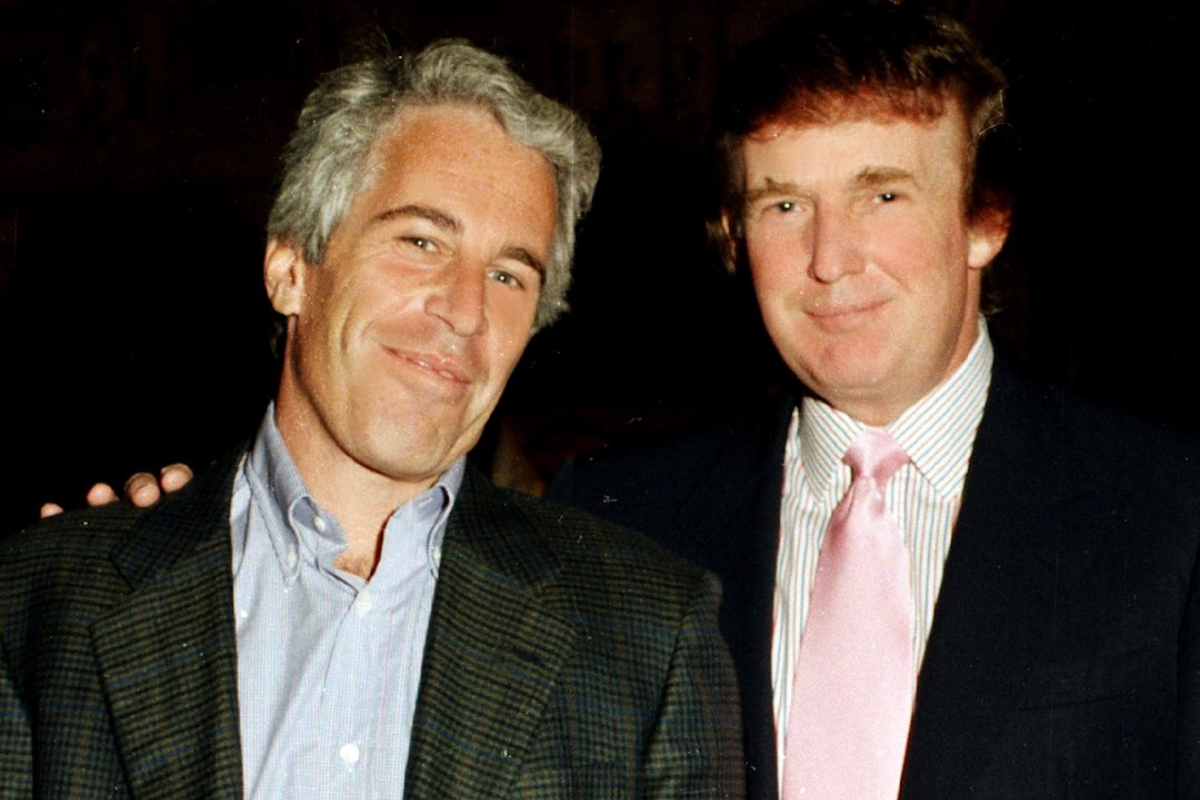
Newly surfaced records from the Jeffrey Epstein investigation reveal theFBI interviewed a woman four separate timesabout allegations, contained in federal investigative files, that she was sexually assaulted by Donald Trump when she was 13. The disclosure emerges fromrecently released materials tied to the Epstein probe, reigniting scrutiny of a little-known lawsuit filed during the 2016 US presidential campaign.
The federal records document that investigators conducted repeated interviews as part of the broader probe into Epstein's trafficking network, even as the claims were never proven in court and have long been denied by Trump. The allegations were filed under the pseudonym 'Katie Johnson', an identity that has never been independently verified, with the complainant's existence having been the subject of ongoing scrutiny since the lawsuit's withdrawal.
Federal records indicate that the woman was interviewed four times by the FBI in 2019 during the renewed federal investigation into convicted sex offender Jeffrey Epstein. The interviews were conducted as part of the broader probe that led to Epstein's federal indictment on sex trafficking charges in July 2019, as investigators examined accounts from alleged victims who said they were recruited and abused as minors during the 1990s.
According to FBI FD-302 interview summaries included in the released Epstein files, the woman told agents that she had been trafficked by Epstein between the ages of 13 and 15 and that several men participated in or witnessed the abuse. Those summaries record allegations involving Trump, who at the time was a wealthy New York real estate developer and social acquaintance of Epstein.
Investigators typically return for multiple interviews to test the consistency of an account and gather additional detail. Officials have stressed that the interviews do not constitute proof of wrongdoing and that the claims contained in them remain unverified. Trump has repeatedly denied any sexual misconduct allegations connected to Epstein.
A DOJ source says FBI agents found the woman who accused Trump of sexually assaulting her as a child to be credible:"They would not have interviewed her four times if they thought she was lying."pic.twitter.com/bq13OGBkGt
The allegations first entered the public record through a series of federal lawsuits filed in 2016. The original complaint was filed on 26 April 2016 in the United States District Court for the Central District of California, naming both Trump and Epstein as defendants and alleging the pair sexually assaulted the plaintiff during parties held at Epstein's Manhattan townhouse in 1994, when she was 13 years old.
The six-page complaint sought $100 million (approximately £79 million) in damages and claimed Epstein had recruited the girl through an associate who targeted vulnerable teenagers with promises of modelling work. Within days, the case encountered legal obstacles. On 2 May 2016, Judge Dolly M. Gee dismissed the complaint after ruling that the filing relied on federal civil rights statutes that apply only to government actors, not private individuals. The dismissal did not address the factual allegations themselves.
A second lawsuit was filed in New York federal court in June 2016, with an amended complaint following in September, both repeating the allegations. In those filings, the anonymous plaintiff claimed she had been forced to participate in sexual acts during several encounters with both men at Epstein's Manhattan townhouse in 1994. Supporting affidavits were submitted by two anonymous witnesses, one of whom claimed to have recruited underage girls for Epstein and alleged witnessing at least one assault.
The legal saga ended abruptly in November 2016, when the woman was scheduled to appear at a press conference in Los Angeles organised by attorney Lisa Bloom, just days before the US presidential election. Hours before the event, the appearance was cancelled. Bloom later said the accuser had received threats and was too frightened to proceed. The lawsuit was voluntarily withdrawn on 4 November 2016.
Source: International Business Times UK