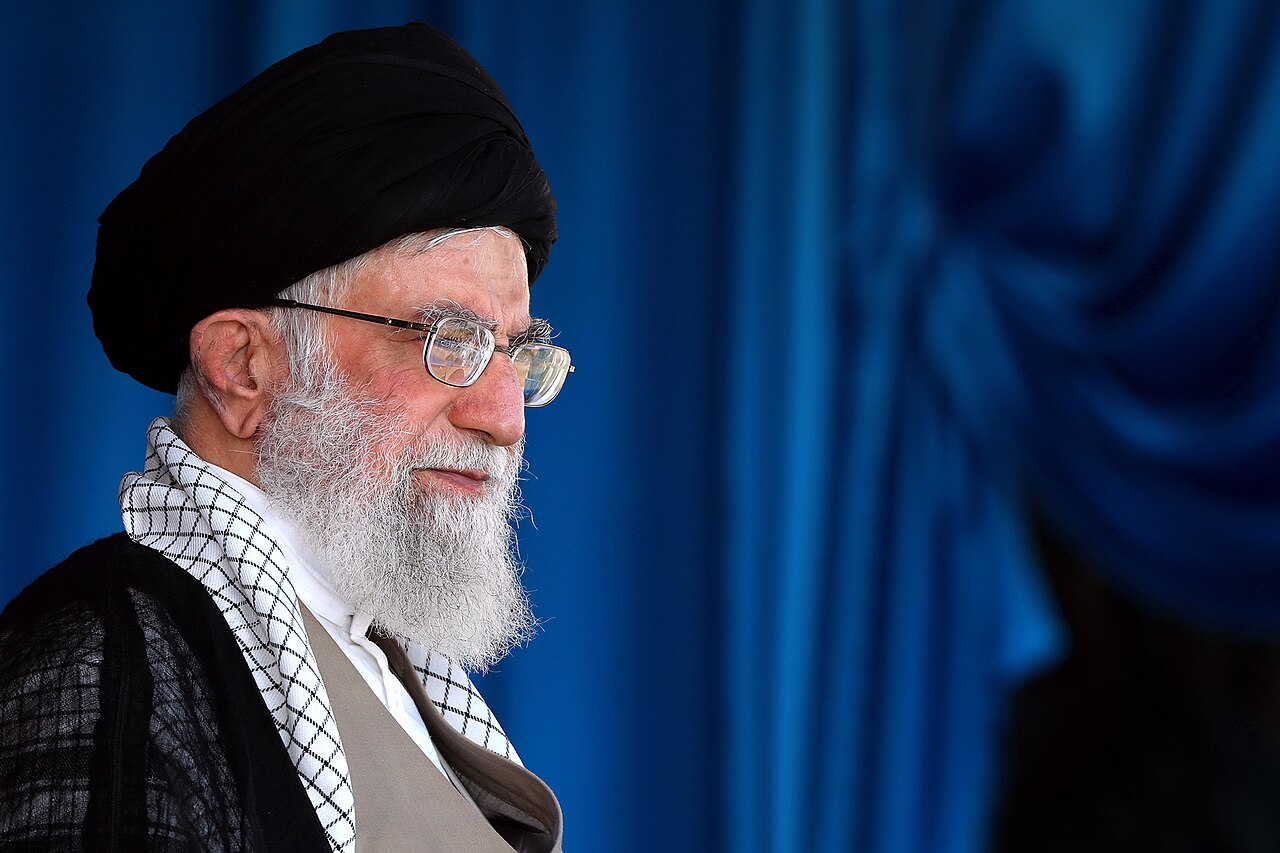
Iran has entered a new chapter in its political history, one that could redefine the country's domestic and international trajectory. On March 8, 2026, the Assembly of Experts, the clerical body charged with selecting the nation's supreme leader, reportedly reached a consensus on asuccessor to Ayatollah Ali Khamenei.
This decision signals the next phase of leadership in a nation where political, religious and social forces are tightly intertwined, and the eyes of the world are keenly observing the outcome.
The Assembly of Experts is not simply a ceremonial body; it constitutes a cornerstone of Iran's political architecture. Composed of senior clerics, the assembly holds authority to appoint and oversee the supreme leader, a position with immense power over domestic governance and foreign policy.
A senior member of Iran’s Assembly of Experts said a majority consensus has been reached on a successor to Supreme Leader Ali Khamenei, but that obstacles remain before the choice can be formally announced.Mohammad Mehdi Mirbagheri, a member of the clerical body tasked with…pic.twitter.com/r2b3pPzWPz
The consensus reached by the Assembly reflects careful consideration aimed at maintaining political equilibrium and the enduring principles of the Islamic Republic. Selecting a successor is far more than a routine procedure.
The supreme leader influences everything from Iran's nuclear policy and military strategy to its social and economic direction. As Khamenei's tenure approaches its historical conclusion, the choice of a new leader is pivotal, not only for Iran but also forregional stability and international diplomacy.
The appointment of a successor carries immediate and long-term implications. Domestically, the new supreme leader will face the challenge of unifying diverse factions within the political and religious establishment, ensuring continuity while responding to societal pressures.
Externally, this leadership transition could recalibrate Iran's posture toward neighboring countries and global powers.
The consensus reached by the Assembly underscores a desire for continuity amid uncertainty. Analysts suggest that Iran's leadership is prioritizing resilience and a strategic approach in the face of both internal and external pressures.
Choosing a successor is not merely symbolic. The next supreme leader will inherit a nation navigating economic sanctions, regional conflicts and international scrutiny. How the successor manages these challenges will shape Iran's future trajectory.
Source: International Business Times UK
