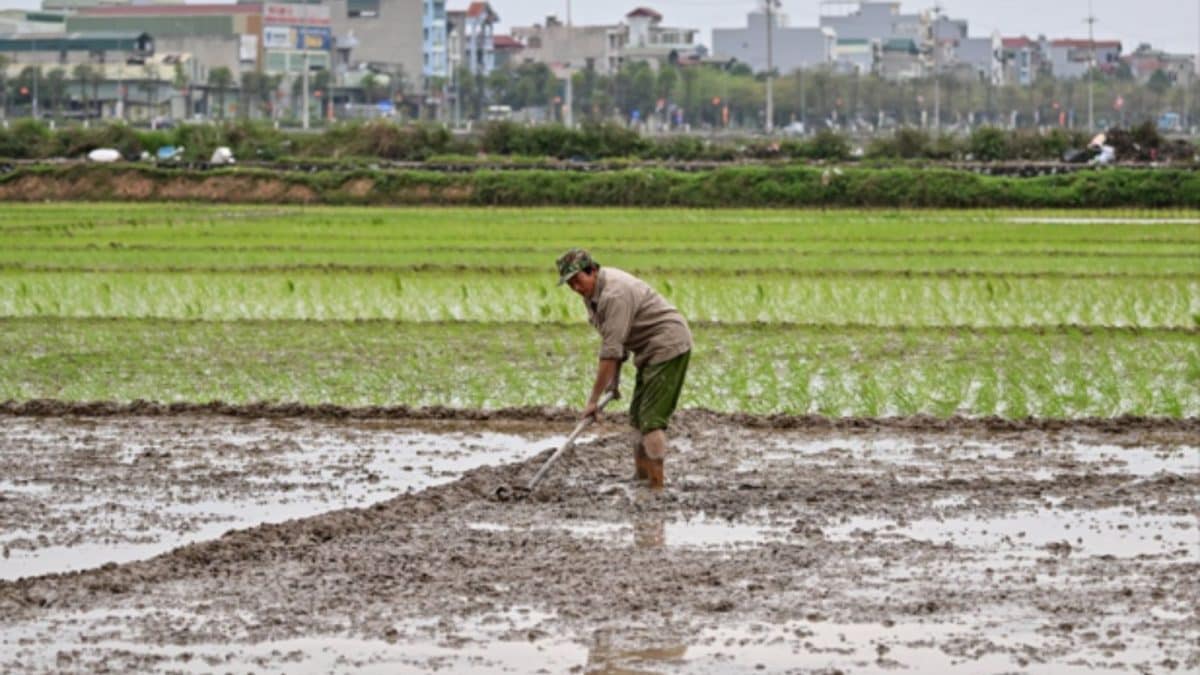
As the war continues in the Middle East, there is a high possibility of people around the globe to face food price inflation while those is most vulnerable countries may even face hunger.
The war between the US-Israel and Iran entered its ninth day, with high-intensity strikes spreading across the Middle East. The situation remains volatile, with reports of high-intensity Israeli airstrikes emerging from multiple sites in Iran and Lebanon.
According toDowJones, the conflict is likely to place renewed strain on global food supply chains partly because of the knock-on impacts of Iranian attacks on energy infrastructure, which include increasing the cost of transporting and distributing food.
It is expected that the implications for global food security would almost certainly extend far beyond the Middle East.
The Persian Gulf is a dominant source of fertilizer. According to Belga News and the BBC, European gas prices reportedly spiked by 40% following Qatar LNG production halted, while Brent Crude rose to $80 a barrel, raising diesel and transport costs.
“It’s bad — there’s no other way of putting it. The world is highly reliant on fertilizer and associated raw materials supplied out of that region,"New York Timesquoted Chris Lawson, vice president of market intelligence and prices at CRU Group, a London-based research and data firm focused on commodities.
The sustained insecurity in the Strait of Hormuz may soon constrain the movement of grain and fertiliser, raising freight and insurance costs and tightening effective shipping capacity.
According to NYT, five primary fertilizer exporters — Iran, Saudi Arabia, Qatar, the United Arab Emirates and Bahrain — rely heavily on the Strait of Hormuz to export their wares. Collectively they supply more than one-third of the world’s trade in urea, the dominant form of nitrogen fertilizer, and nearly one-fourth of another type, ammonia, according to data by the International Fertilizer Association, a trade group based in London.
One major source of urea, QatarEnergy, halted production last week when it lost access to natural gas after strikes from Iranian drones and missiles.
According to a report by DowJones, 15 countries have been identified that are most likely to experience heightened political and social instability should a high-intensity conflict persist in the Middle East. These include Afghanistan, Ethiopia, Iraq, Kenya, Libya, Mali, Myanmar, Nigeria and Pakistan.
Source: World News in news18.com, World Latest News, World News